2026 Robotic Pool Cleaners for Wholesale and OEM Buyers
- Share
- Issue Time
- Nov 4,2026
Summary
Compare five robotic pool cleaners and surface skimmers by cleaning area, controls, pool structure, and OEM/ODM validation needs for wholesale buyers.
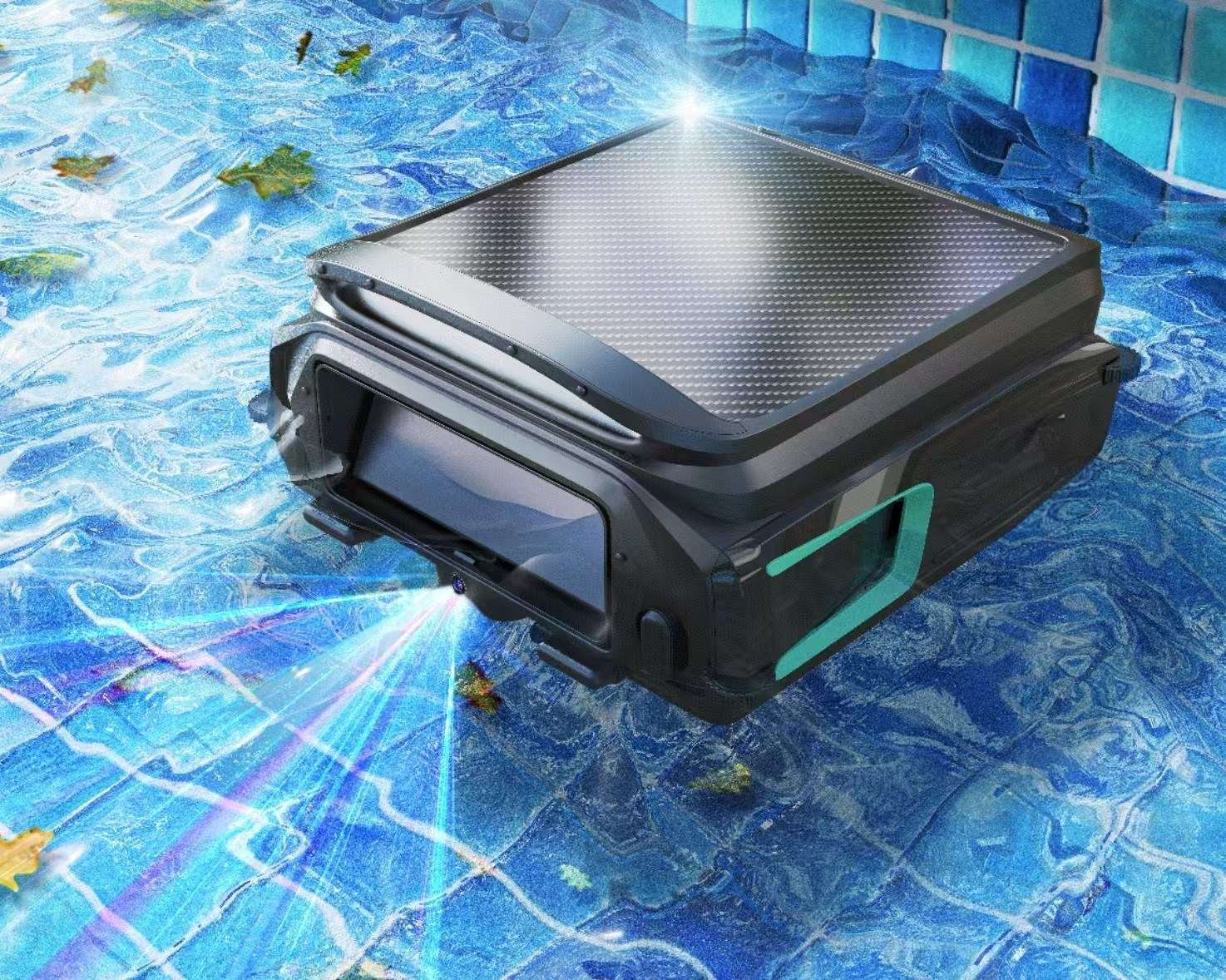
Hydrorelax supplies automated pool cleaning equipment for distributors, retailers, contractors, installers, and OEM/ODM buyers. The range includes robotic cleaners for pool floors, walls, and waterlines, as well as solar-powered and AI vision-assisted surface skimmers for floating debris.
This guide compares five products by cleaning area, control method, pool structure, and procurement validation needs. It helps buyers define the maintenance task first and then shortlist models for their target markets.
Hydrorelax Automated Pool Cleaning Range: What Task Does Each Product Handle?
The five products fall into two groups: Aquajack 810, S2, and C1 Pro clean submerged pool surfaces, while Aquajack 900 and F1 Vision collect floating debris from the water surface.
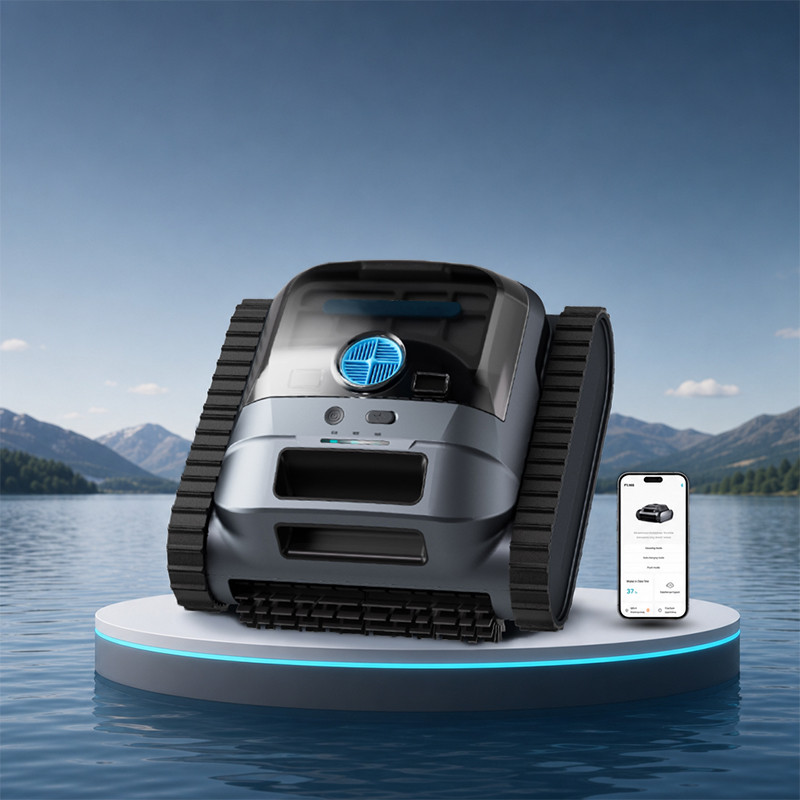
Aquajack 810: Floor, Wall, and Waterline Coverage
Aquajack 810 automatically cleans the pool floor, walls, and waterline. It is intended for customers who need broader in-pool coverage rather than floor-only cleaning.
The product image also shows a tracked structure and an app interface. Before bulk purchasing, buyers should test samples on pool surface materials commonly used in the target market to confirm wall-climbing and waterline performance.
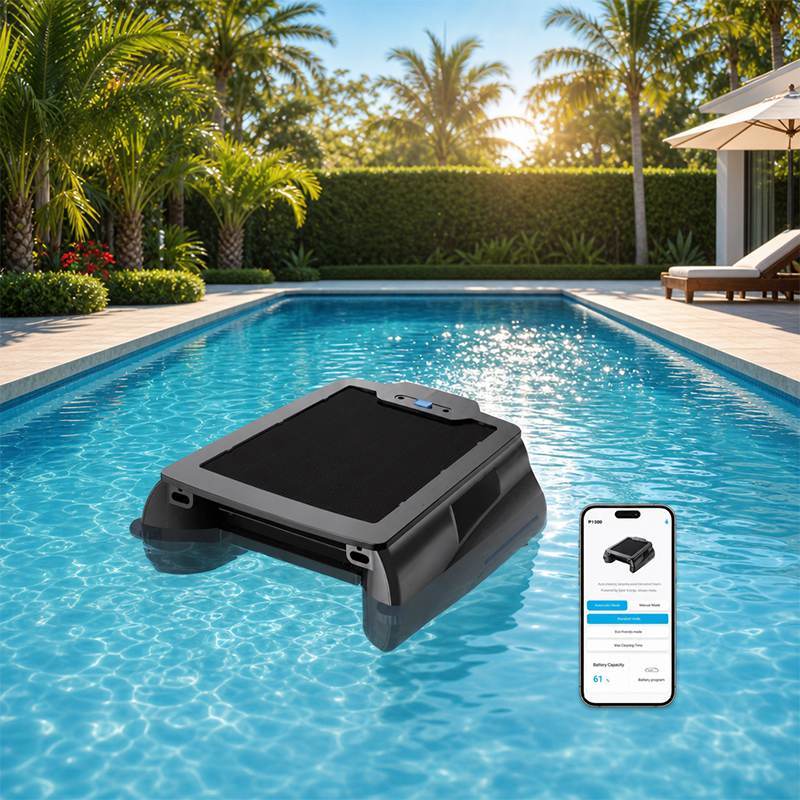
Aquajack 900: Floating Leaf and Debris Collection
Aquajack 900 is a solar-powered pool surface skimmer. It handles floating leaves and debris rather than cleaning submerged pool surfaces.
The product image lists dual infrared wall sensing, solar and adapter charging, automatic sun seeking, and app control. The image states a charging time of 8 hours.
S2: Seven Modes for Different Cleaning Tasks
S2 cleans the pool floor, walls, and waterline and provides seven cleaning mode options through an app.
The product information also lists a brushless motor, vacuuming and scrubbing, dual-layer filtration, and high-precision sensors. For channels that must explain multiple cleaning modes to users, sample demonstrations and clear instructions should be validated alongside the cleaner itself.
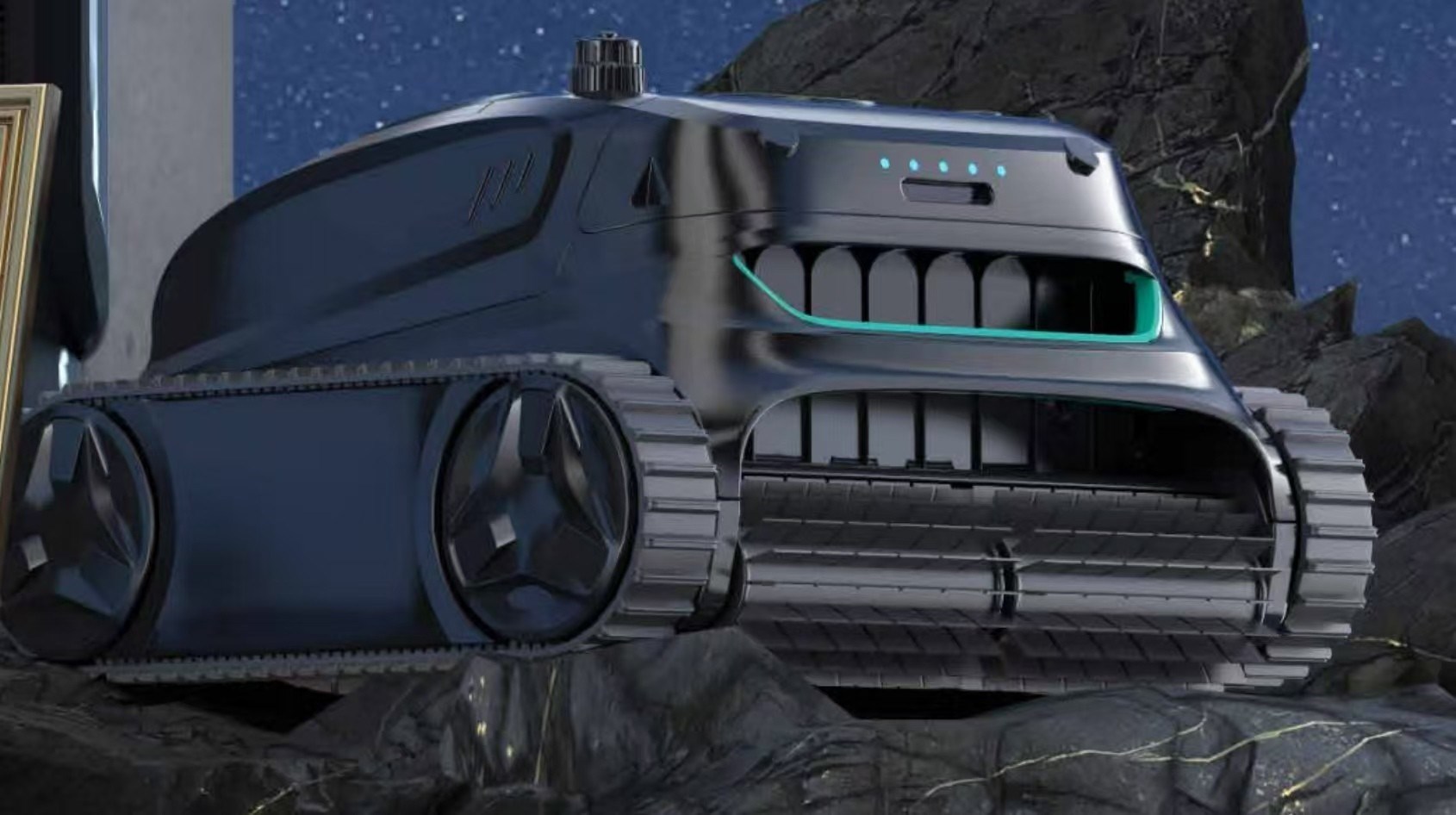
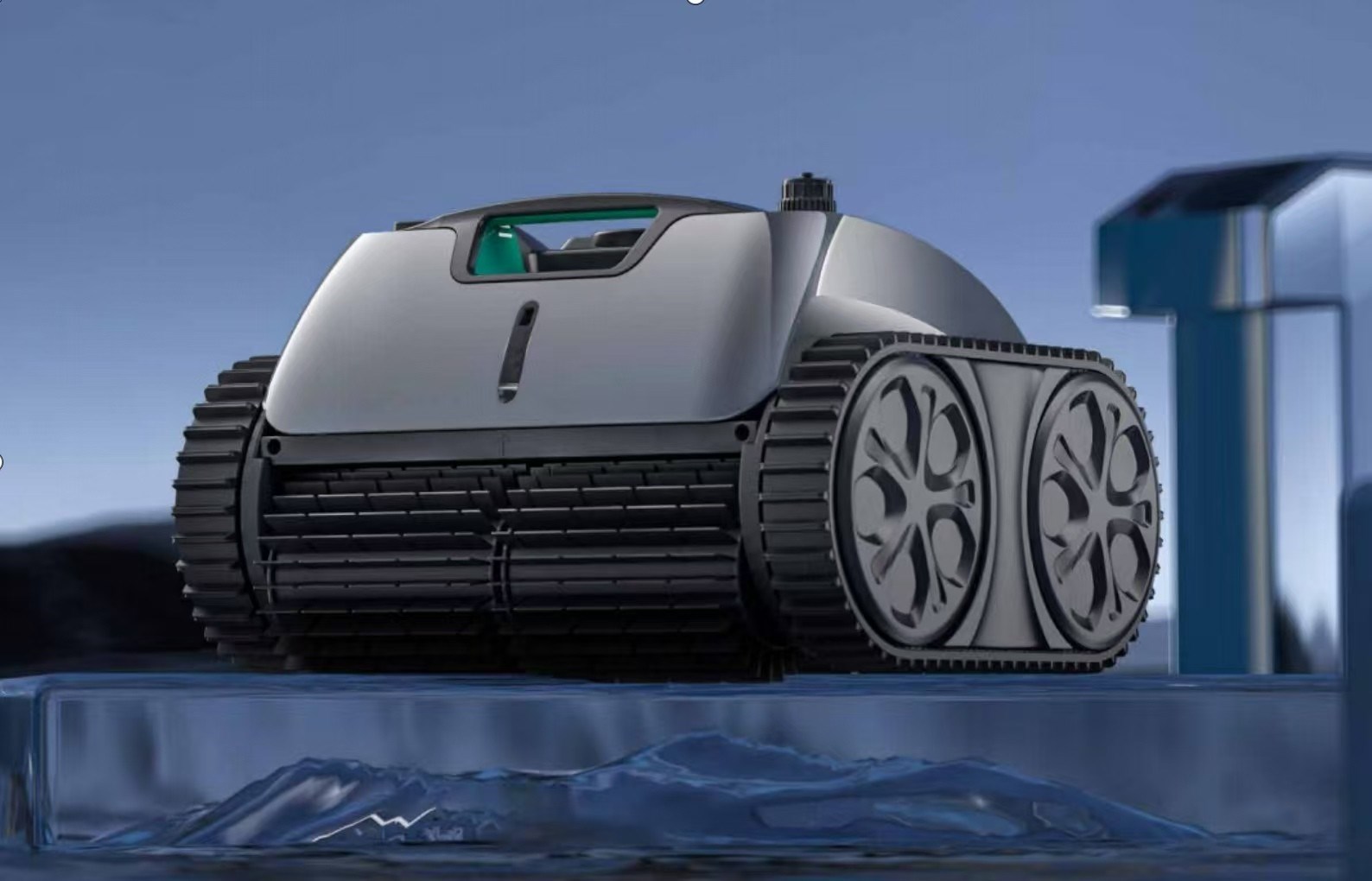
C1 Pro: Pools with Slopes, Steps, and Obstacles
C1 Pro is designed to cross obstacles and climb slopes and steps, making it a model to evaluate for pools with more complex surface structures.
Its navigation system uses multiple high-precision sensors. The product information states a 2-hour operating time arranged as four 30-minute floor-cleaning cycles. This can help operators plan retrieval and charging, but it does not replace testing in the actual pool.
F1 Vision: AI Vision-Assisted Surface Skimming
F1 Vision collects floating debris and uses AI vision assistance for pool surface skimming.
The product information also lists edge cleaning, cloud connectivity, and app control. For buyers, the value of these digital functions depends on whether the operating process, network conditions, and after-sales support are suitable for the market.
Model Comparison: How Do In-Pool Cleaners Differ from Surface Skimmers?
Classifying products by their main maintenance task before comparing controls and pool structures makes it easier to build a clear product range.
| Model | Main Task | Key Features | Suitable Application |
|---|---|---|---|
| Aquajack 810 | In-pool robotic cleaning | Floor, wall, and waterline cleaning | Pools requiring wider cleaning coverage |
| Aquajack 900 | Surface skimming | Solar power, infrared sensing, and app control | Floating leaf and debris removal |
| S2 | In-pool robotic cleaning | Seven modes, app selection, and dual-layer filtration | Cleaning tasks requiring flexible mode selection |
| C1 Pro | In-pool robotic cleaning | Obstacle crossing and slope and step climbing | Pools with more complex surface structures |
| F1 Vision | Surface skimming | AI vision assistance, edge cleaning, and cloud connectivity | Smart pool surface cleaning |
How Should Buyers Choose a Robotic Pool Cleaner for the Actual Maintenance Task?
The selection process should start with debris type, target cleaning surfaces, pool structure, maintenance frequency, and the people operating the equipment, not with a long feature list.
1. Cleaning Task: Separate Underwater Cleaning from Surface Collection
Robotic pool cleaners clean the floor, walls, or waterline. Surface skimmers collect leaves and other floating debris. When a target market has both needs, positioning the two product types as complementary tools is clearer than presenting either one as a universal replacement.
2. Pool Structure: Identify Every Surface the Cleaner Must Reach
Aquajack 810 and S2 suit buyers who need floor, wall, and waterline coverage. C1 Pro deserves closer evaluation when a project includes slopes, steps, or obstacles. Obstacle-crossing claims do not mean identical performance on every surface, so sample testing should still take place in the customer's actual pool environment.
3. Operating Method: Do App and AI Functions Fit the Sales Channel?
App control and AI assistance create practical value when users need mode selection, remote operation, or a more guided experience. For less technical sales channels, simple setup, readable instructions, and accessible support may matter more than one additional digital function.
4. Maintenance Frequency: Evaluate Runtime Within the Full Workflow
Runtime should be evaluated together with cleaning cycles, debris load, cleaner retrieval, and charging arrangements. It should not be treated as a direct measure of pool coverage. Buyers should validate the complete workflow with samples before using runtime as a sales point.
5. Commercial Fit: Are Product Materials and After-Sales Terms Complete?
Before ordering, buyers should confirm application photos, demonstration content, user manuals, spare-parts supply, warranty terms, and compliance documents required by the target market. These details manage customer expectations and reduce avoidable returns more effectively than a longer feature list.
From Wholesale Sourcing to an OEM/ODM Launch: What Must Be Verified Before Scaling?
A sellable wholesale range needs clear application promises, repeatable SKU logic, training materials, and after-sales boundaries, not only a product catalog.
Distributors usually need repeatable SKUs, straightforward training, and after-sales support. Retailers need easy-to-understand use cases. Installers focus on fit, operation, and maintainability. Project buyers need performance expectations that can be documented and verified.
A practical range can start with one core in-pool robotic cleaner and one complementary surface skimmer, followed by models for specific local pool structures and debris conditions. For related product planning ideas, see New Pool Products 2026.
OEM/ODM Requirement Checklist: What Should Be Defined Before Quotation?
Before discussing customization, buyers should document:
- The target pool type and whether the cleaner must cover the floor, walls, waterline, or water surface;
- Expected cleaning cycles, runtime, and charging arrangements;
- Required controls, including app functions, remote operation, or AI vision assistance;
- Packaging language, user manuals, demonstration materials, and training needs;
- Spare parts, warranty responsibility, compliance documents, and sample test criteria.
Procurement Takeaways: Four Factors That Determine Market Fit
- Separate the tasks first. In-pool robotic cleaning and surface skimming solve different maintenance problems.
- Check the pool structure next. Floors, walls, waterlines, slopes, steps, and obstacles require separate validation.
- Digital functions must fit the operating process. Apps, cloud connectivity, and AI vision assistance do not replace clear instructions and after-sales support.
- Complete sample testing before scaling. Runtime, coverage, and cleaner maintenance should be evaluated together in the actual operating environment.
Looking Ahead
For wholesale and OEM buyers, the main question is not how many functions a cleaner lists, but whether its operating logic fits the sales channel, service process, and end-user pool conditions. Early validation of samples, training materials, and after-sales responsibilities can reduce return risks and support a repeatable market launch.
Discuss a Pool Cleaning Equipment Range with Hydrorelax
If you are evaluating robotic pool cleaners, surface skimmers, or OEM/ODM requirements, share the target pool type, cleaning area, control method, and estimated order quantity so the product range and sample testing plan can be reviewed.
Contact Us