Air System Components Explained:Jets、Pumps & Valves
- Share
- Issue Time
- Dec 31,2025
Summary
This blog explains component performance impacts, shares tips for stable hot tubs and avoids sourcing/replacement mistake
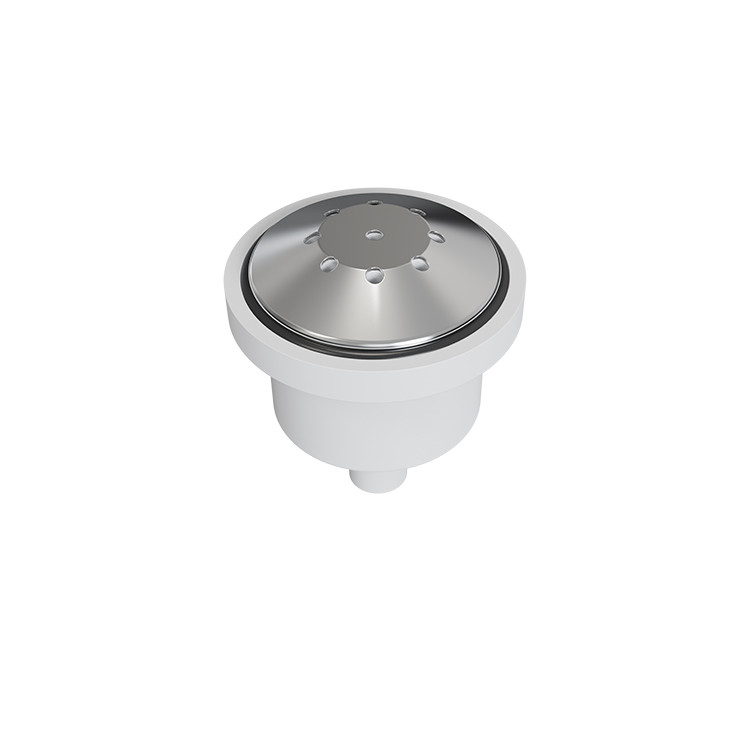
The air system in a hot tub, also called the bubble system, includes air jets, air pumps, and valves working together. These components affect massage feel, energy use, maintenance, and tub lifespan.
This blog breaks down how each part impacts performance and shares practical tips to help you build a more stable and reliable hot tub while avoiding common mistakes in sourcing or replacement.
We have explained air jets in a separate blog including how to measure jet size, how air control works, and answers to common questions. Here we add a few details to help you choose the right jets during sourcing and assembly and avoid later maintenance issues.
1. What is the Venturi?
The Venturi structure is key to the bubble system. Air jets use a Venturi to create negative pressure that pulls air into the water flow and forms bubbles. As water speeds up through a narrow section, the pressure drops and air is drawn in. A well-designed Venturi structure improves bubble stability, density, and massage feel and reduces the load on the pump.
2. Engineering points to note include:
Venturi size that does not match the jet opening can cause weak air intake or even back-flow.
Some entry level models do not use a Venturi
Certain basic hot tubs only use simple air orifices. These rely on the air pump to push bubbles directly. The bubble effect is steady but the massage feel is weaker.
Some brands use a separate air line instead of a Venturi
They rely on the air pump to deliver strong airflow and adjust bubble volume through an air valve, so the Venturi plays a smaller role in their system.
The Venturi is not required for every design
Whether the jet includes a Venturi and how well it is designed will affect bubble density, system load, energy use, and overall massage performance.
This feature must be clearly confirmed during sourcing and product selection.
3. Common engineering issues
Low airflow leads to weak bubbles and poor massage strength.
Jet housings may have different diameters which makes replacement difficult.
Different locking structures cause installation and service problems.
Low-grade stainless steel or plastic jets corrode or deform in harsh water conditions.
Mixing components from different brands often creates size and connection mismatches.
4. Solutions
Choose original jets or verified OEM compatible parts.
Confirm jet size, installation method, and material grade during sourcing.
Use 316L stainless steel or corrosion-resistant plastics for saltwater or chemically treated water.
For replacement or upgrades, run a small water-flow test to confirm bubble distribution and airflow stability.
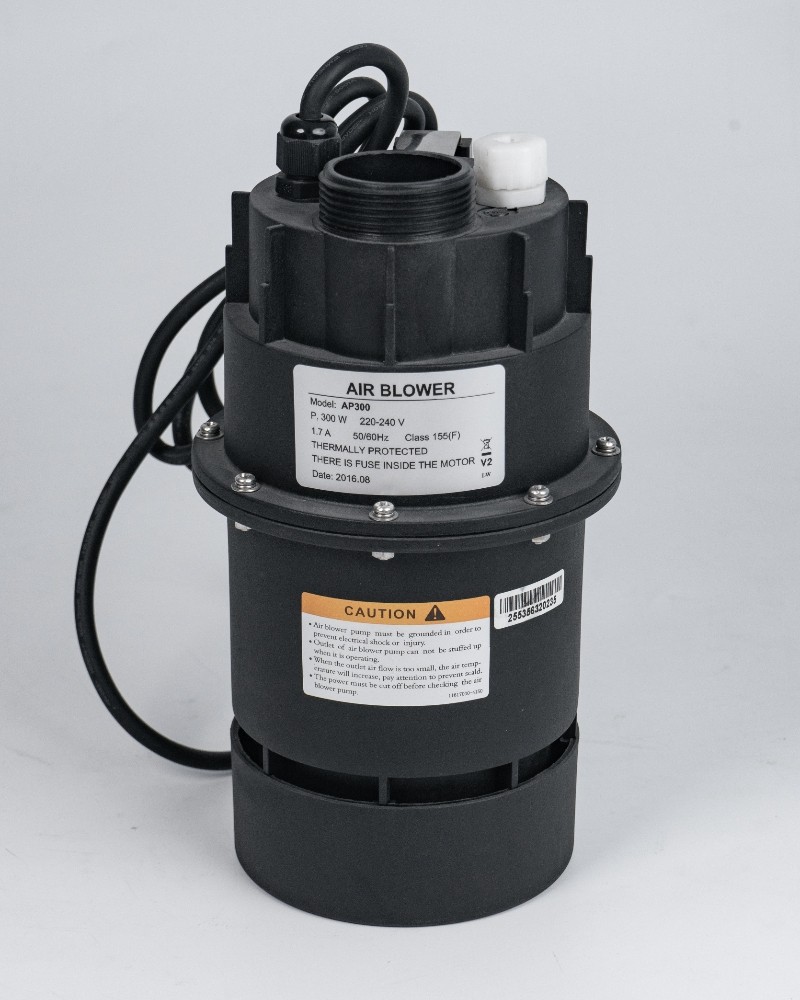
he air pump is the power source of the bubble system. It pushes air into the jets, creating bubbles through the water flow. If the pump is not selected properly, it will affect the massage feel, noise level, and pump lifespan.
What is CFM?
CFM means cubic feet per minute and shows how much air the pump delivers each minute. When designing the system, you need to match the CFM to the number of jets, pipe length, and the bubble effect you want. Low airflow creates weak bubbles. Too much airflow increases energy use and may cause pipe vibration and noise.
How to choose blower power?
Power depends on more than airflow. You also need to consider pipe resistance, total system pressure, and how stable the pump is during long runs. Large tubs or tubs with many jets may need a slightly higher-power blower, but you still need to watch noise and energy use.
Key points you should not ignore
Overheat protection helps prevent motor burnout during long operation.
IP rating ensures the pump is protected against moisture.
Vibration control reduces noise caused by pipes shaking.
Common engineering issues
Short lifespan usually happens when the motor overheats for long periods.
Back-flow can occur if there is no check valve and water enters the pump.
Poor pipe design increases back pressure, reduces airflow, and makes the pump work too hard.
What to check when buying a replacement?
Check connector size and mounting size so the pump fits the system.
Make sure the pump body fits the available space.
Balance power and airflow to avoid weak bubbles or wasted energy.
Solutions
Use pumps that match the original design or verified compatible models.
Add vibration pads and flexible hoses to reduce noise.
Install a check valve on the air inlet to prevent back-flow.
Adjust airflow based on pipe resistance, increase pump power if needed, or improve pipe layout.
Air Valves
Valves are low-cost components, yet they have a major impact on system stability and user experience.
1. Three main types of valves and their functions
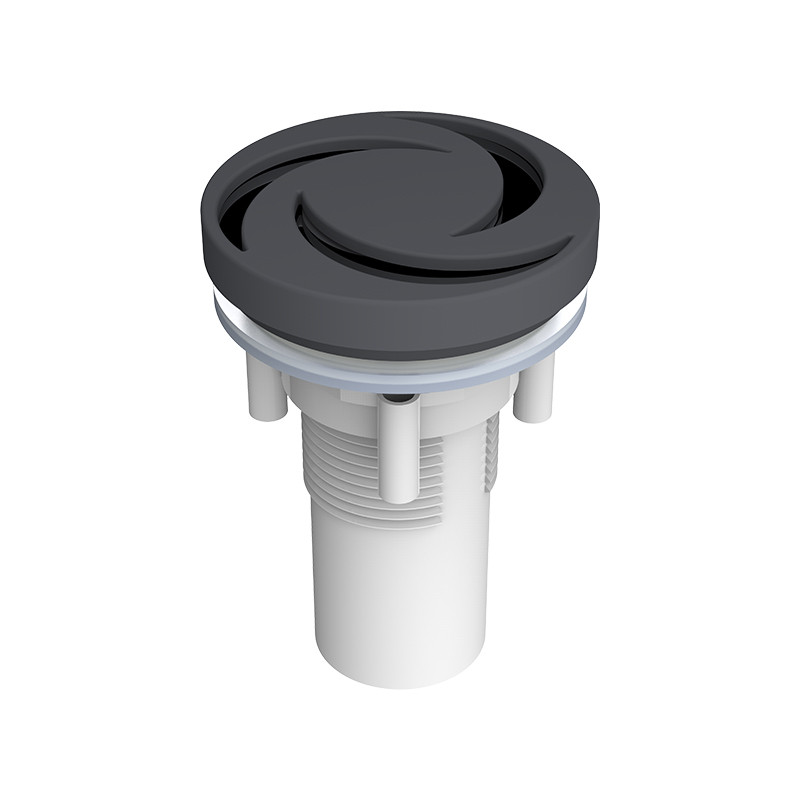
Air Control Valve/ Air regulator
This is the most common part users interact with to adjust air volume.
It affects bubble strength and comfort.
The material must resist water and chemicals to prevent seal failure over time.
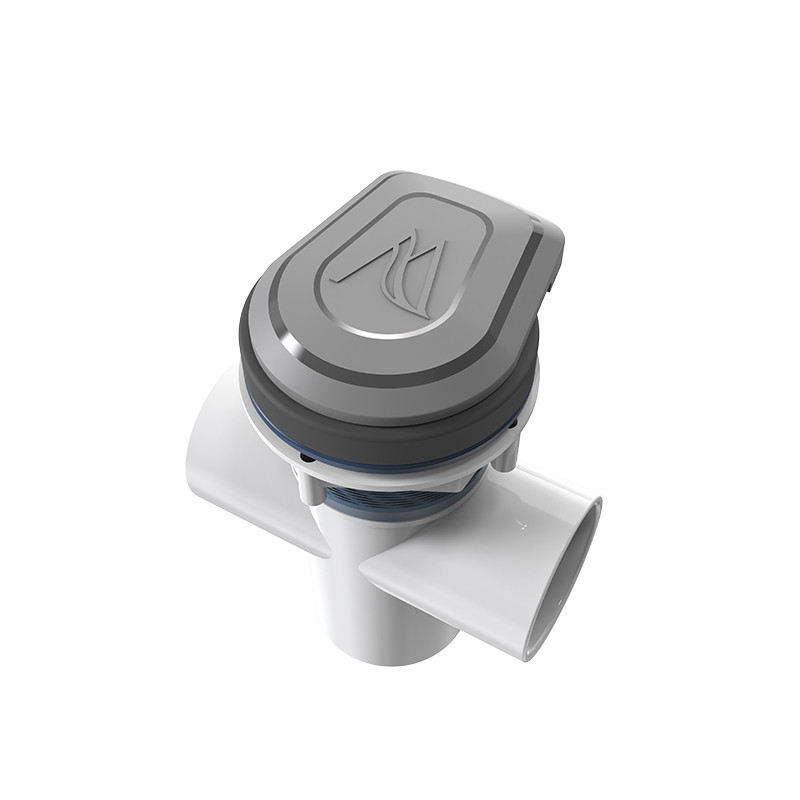
Diverter Valve
Used in multi-zone spas to switch airflow between different areas.
A good diverter ensures smooth switching and steady airflow without leaks.
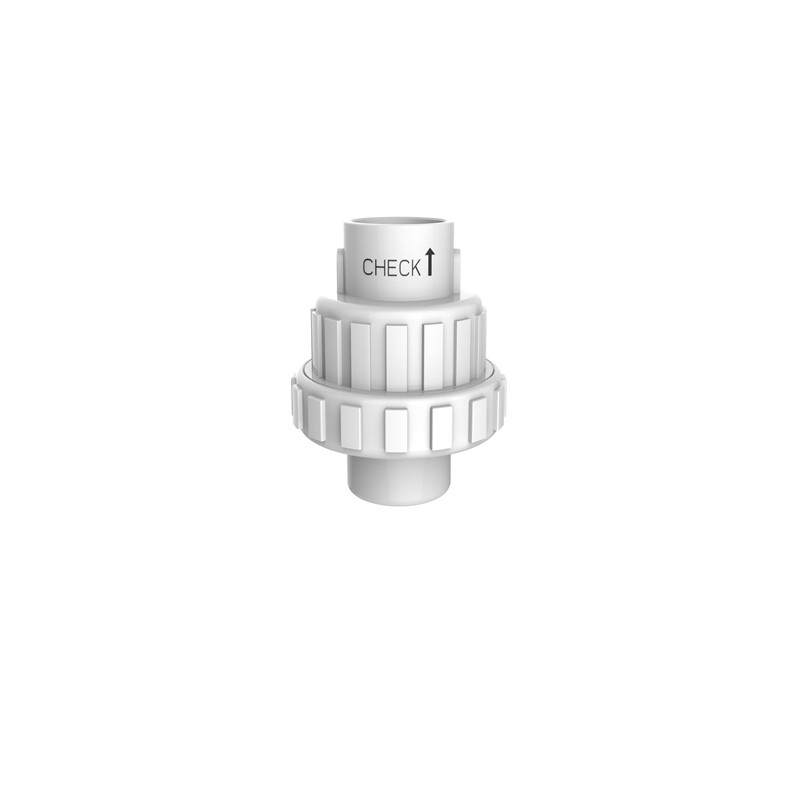
Check Valve
Prevents water from flowing back into the air pump.
If it fails, water can enter the pump within seconds and destroy it.
In OEM projects, focus on material quality, sealing reliability, and easy installatio
2. Valve sealing material selection
High-quality silicone is recommended because it withstands heat and chemicals and has a long lifespan.
For saltwater or mineral water, 316 stainless steel combined with high-grade seals offers the best durability.
Regular inspection of valve wear or aging can greatly reduce after-sales issues.
Bubble System Design as a Complete System
The relationship between air jets, air blowers, and air valves is fully interconnected. Optimizing only one part usually does not fix the problem and may even create new ones.
Airflow balance
More jets increase back pressure and the pump must work harder to deliver the same airflow.
High valve resistance reduces airflow and causes uneven bubbles.
Pipe layout, pump airflow, valve resistance, and jet size must match to keep the system running smoothly.
Noise is not only a pump issue
Pump vibration can cause valves to echo and pipes to resonate.
Poor water flow inside the jets can also increase pump noise.
Many noise complaints are caused by mismatched jets and valves rather than a faulty pump.
Understanding long-term system cost
Choosing an air system is not about using the biggest airflow. You need to consider:
1.Reasonable energy use
2.low noise
3.Easy long-term maintenance
4.Strong parts compatibility
5.Manageable sales and after-sales costs
This is why many engineers prefer using a complete bubble system kit. It saves time and avoids compatibility issues across different accessories.
Table:Pre-Purchase Reference Checklist
| No. | Key Focus | Question | Technical Notes / Reference | |||||
| 1 | System Matching | How to precisely match total jet quantity with blower airflow? | CFM vs total jet count; ensures even bubble distribution | |||||
| 2 | Locking Method | Which jet locking mechanism is better for long-term use, snap-in or threaded? | Threaded = stronger & more secure; snap-in = easier service | |||||
| 3 | Corrosion Resistance | What is the blower noise level? Any noise-reduction design? | Decibel rating; vibration pads or isolation mounts | |||||
4 | Noise Control | How do valve internal resistance and seal material affect system performance? | Lower resistance = better airflow; seals must be heat & chemical-resistant | |||||
5 | Valve Resistance | How do valve internal resistance and seal material affect system performance? | Lower resistance = better airflow; seals must be heat & chemical-resistant | |||||
6 | Installation & Service | Are the valves easy to install and service? | Disassembly cycle time, tools required, service space needed | |||||
7 | System-Level Performance | Can the full system maintain even bubbles and keep noise low? | System airflow balance evaluation; valve adjustment range | |||||
8 | OEM Customization | Can jets, valves, and blowers match in color, finish, and LOGO? | Custom appearance options; confirm MOQ | |||||
Hydrorelax Support
Many air system issues do not come from the end user. They usually start with early design choices and mismatched components. If you are developing a new model, reviewing replacement parts, or building an OEM product line, Hydrorelax can support you with:
1.Complete air system configurations including jets, air pumps, and valves to ensure stable performance.
2.Bulk supply for dealers and replacement distributors.
3.OEM customization with branding options for jets, valves, and air pumps to improve product identity.
4.Full bubble system kits that reduce engineering workload and keep the whole spa consistent.
Whether you are creating a new model or upgrading an existing one, Hydrorelax offers professional guidance and complete solutions to help you achieve the best balance of performance and user experience.
Contact the Hydrorelax team for technical support and a fully matched air system solution.