Bathtub Feet Surface Finish: Chrome or Nickel?
- Share
- Issue Time
- Jun 3,2026
Summary
the common finishes for bathtub feet and compare chrome and nickel, including their structure, cost, durability, and where each works best
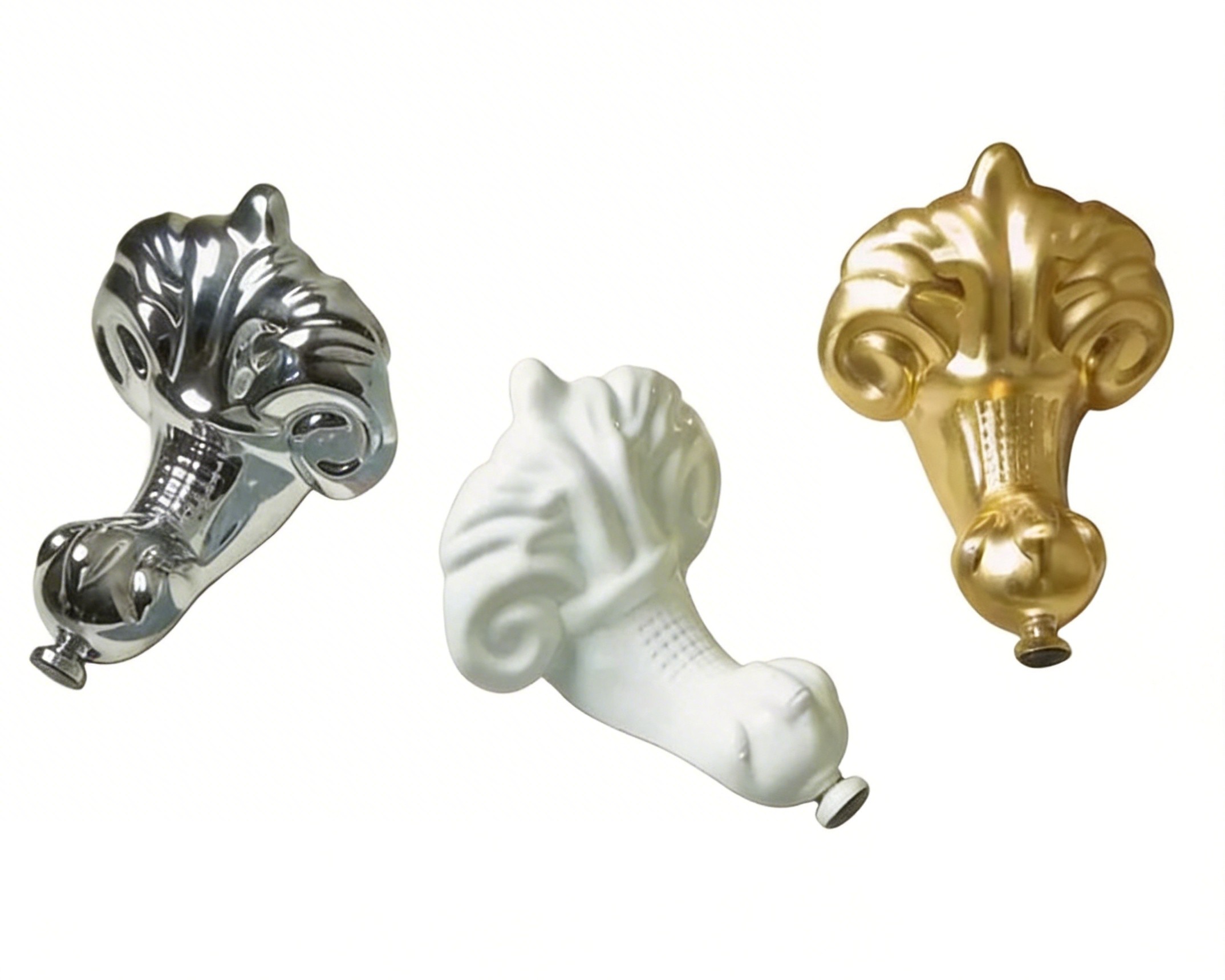
Before choosing the style of bathtub feet, it is worth asking a simple question:
What does the surface finish determine?
It affects the look, durability, and long-term maintenance cost.
Many buyers first check photos and price.
But the real factor behind product lifespan and user experience is the plating layer.
Today we will explain the common finishes for bathtub feet and compare chrome and nickel, including their structure, cost, durability, and where each works best.
Surface Finishing Technology for Bathtub Feet
From a technical point of view, the metal finish on bathtub feet is not just a layer of color. It usually involves several plating layers designed to:
1.Prevent corrosion
2.Improve adhesion
3.Increase hardness
4.Create the final look
A typical plating structure often includes an aluminum layer, a nickel layer, and a top finish.
Understanding this structure helps explain the real differences.
Decorative Chrome over Nickel
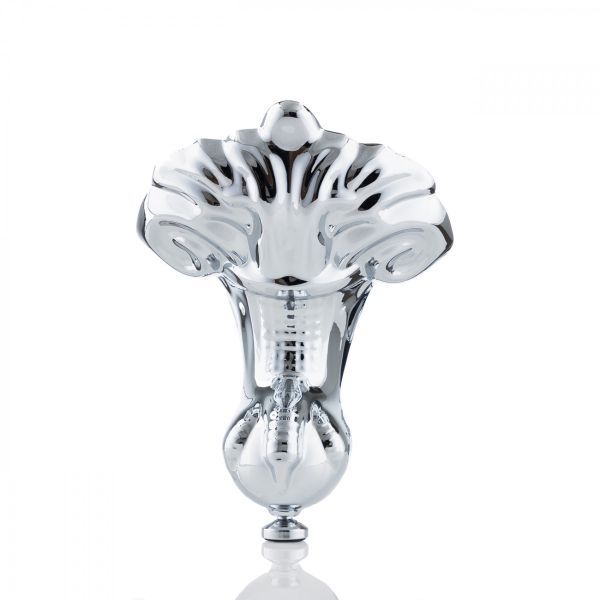
This is the most common chrome finish.
In reality, most chrome bathtub feet are not a single chrome layer. The typical structure is:
Aluminum, Nickel, Chrome(From the innermost layer to the outermost layer)
In this structure:
Nickel provides corrosion resistance and base protection.
Chrome adds hardness and brightness.
The chrome layer itself is very thin but extremely hard. It gives a cool tone and a strong mirror shine.
This finish keeps costs under control and delivers a consistent look, which makes it a popular choice for modern bathroom projects.
Polished Nickel (Electrolytic or Electroless)
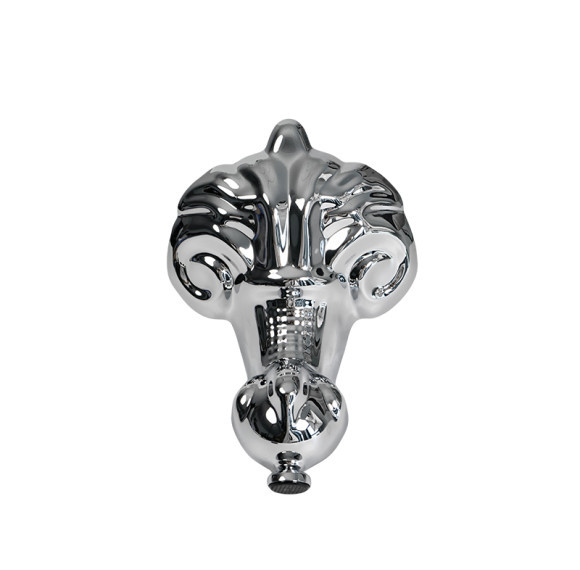
Polished nickel means nickel is the final surface layer, without chrome on top.
Depending on the process, it can be:
Electrolytic Nickel
Electroless Nickel
Polished nickel has several visual features:
A warmer tone
A softer shine
Less glare than chrome
The nickel layer is usually thicker, which gives it better corrosion resistance than standard chrome plating.
If light scratches appear over time, polished nickel is also easier to polish and restore.
Because of this, polished nickel is widely used in high-end projects and Victorian-style bathrooms.
Satin or Brushed Nickel
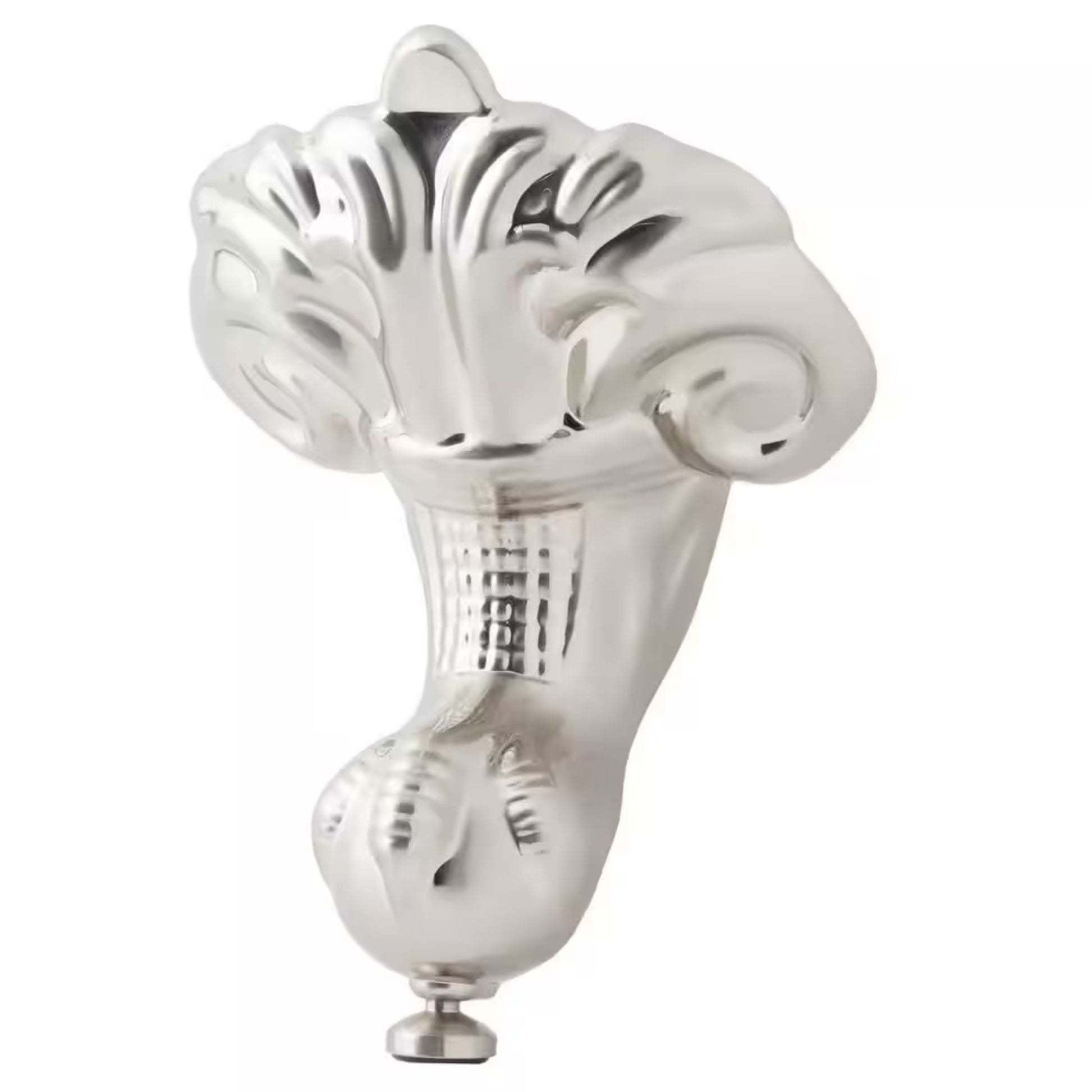
Satin or brushed nickel is still a nickel finish, but the surface is treated with brushing or chemical processes to create a matte texture.
Key features include:
Less visible fingerprints
A subtle, understated look
A softer visual effect
It works especially well for:
Traditional bathrooms
Transitional styles
High-end custom projects
In humid environments, brushed nickel often keeps its appearance better than polished chrome.
Chrome Finish
Best for modern bathrooms, high-traffic spaces, and budget-sensitive projects.
Pros
High surface hardness
Bright finish that makes spaces feel larger
Relatively lower cost
Cons
Cool tone that may not fit every design
Water spots and fingerprints show easily
Harder to repair if the surface is damaged
Chrome is commonly used in hotel chains, apartment projects, and large-volume orders.
Nickel Finish (Polished or Brushed)
Pros
Warm tone with a premium feel
Better corrosion resistance
Light scratches can be polished
Cons
Higher cost than chrome
Color consistency between batches requires tighter control
May naturally darken slightly over time
Nickel finishes are often chosen for boutique homes, high-end renovations, and design-focused projects.
Quick Decision Guide
| Feature | Chrome | Nickel |
| Aesthetic | Cool tone, modern | Warm tone, classic elegant |
| Maintenance | Cleans often, easy to wipe | Cleans less, needs occasional care |
Durability | Good, hard to repair locally | Excellent, can be polished |
Best Style Match | Contemporary, Minimalist | Traditional, Victorian, Transitional |
Bathtub Feet Surface FAQ
1.How long before bathtub feet rust?
As long as the plating is intact, rust shouldn't appear under normal indoor use.
Rust usually comes from low-quality, thin plating layers.
2.Which is better for coastal areas?
Nickel is recommended, especially thicker nickel layers for more stable corrosion resistance.
3.What if small scratches appear?
Chrome is hard to repair locally.
Nickel can be lightly polished to restore the surface.
4.How to judge plating quality?
Check nickel layer thickness, adhesion tests, salt spray duration, and base treatment. Don't judge by appearance alone.
Hydrorelax Final Words
In choosing bathtub feet, surface finish is not just a detail, it's a core tech feature.
Chrome stands for efficiency and cost control.
Nickel stands for feel and long-term durability.
There is no absolute better, only what fits your project.
Hydrorelax focuses on the stability and craftsmanship of bathroom hardware. Contact the Hydrorelax team to learn more about product options and pricing.