Essential vs. Optional Sauna Accessories: A Wholesale Buyer’s Guide
- Share
- Issue Time
- Oct 16,2026
Summary
Learn which sauna accessories wholesale buyers should prioritize, from vents and thermometers to sand timers, buckets, and ladles, plus practical guidance on materials, sets, MOQs, customization, and supplier comparison.
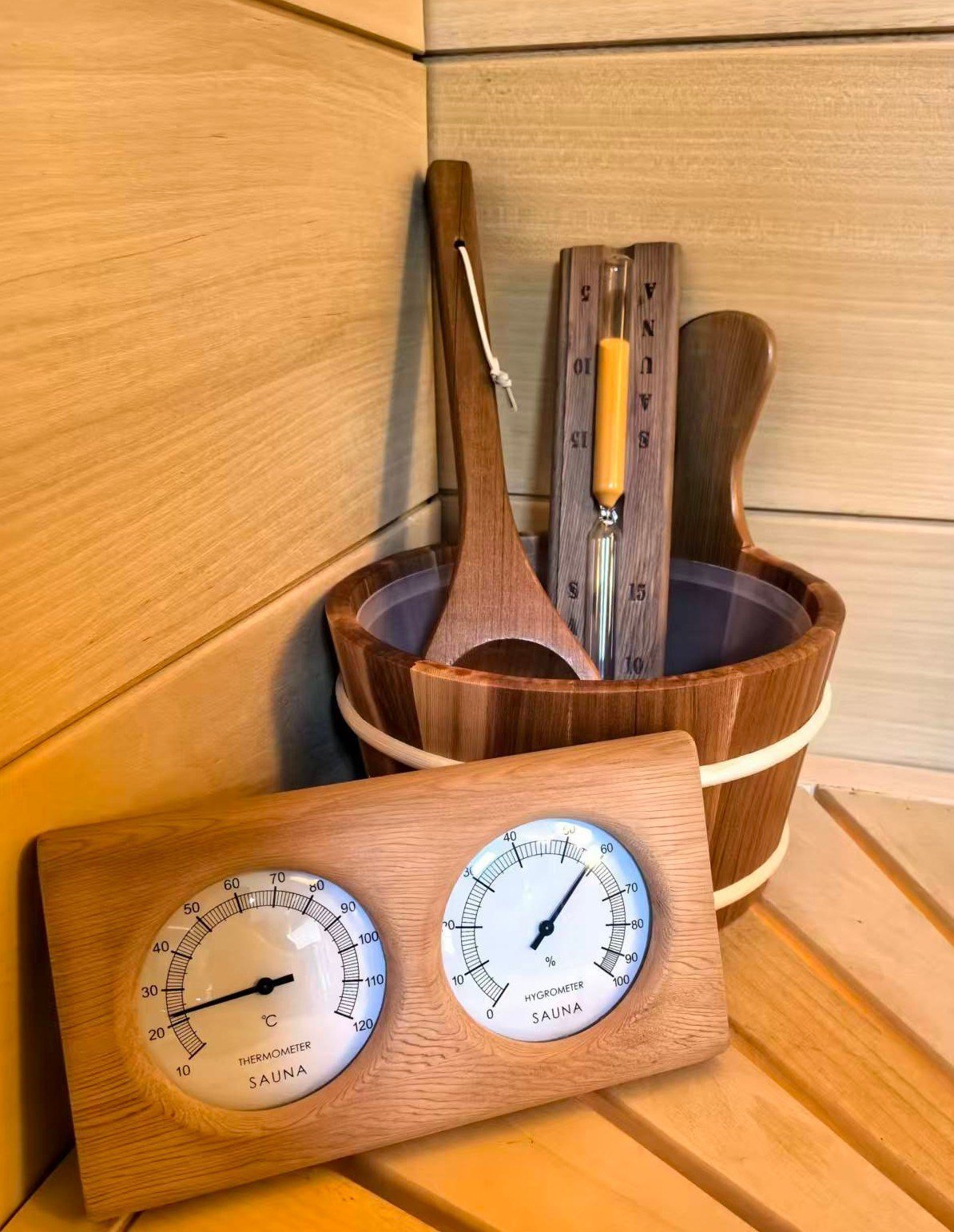
When sourcing sauna accessories from China on a controlled budget, buyers should first identify the products that support everyday sauna use before adding aromatherapy, special lighting, smart controls, or entertainment features.
This guide covers sauna vents, thermometers and hygrometers, cup racks, sand timers, and bucket sets. It explains their functions, common materials, single-item and set purchasing options, and the information wholesale buyers should compare when evaluating suppliers.
Essential vs. Optional Sauna Accessories: How Should Buyers Set Priorities?
Essential accessories support ventilation, temperature and humidity monitoring, timing, water handling, and convenient storage, while optional products mainly add comfort, design value, or smart functions.
To set priorities, consider whether users will handle an item frequently, whether it supports the basic sauna routine, and whether its absence would make operation less convenient. For buyers building a new product line, stabilizing the core assortment and supply chain is usually easier to manage than adding many new products at once.
Sauna temperature and humidity are not controlled by one accessory alone. The main factors include:
- Heater power and performance.
- Sauna room volume and dimensions.
- The heat-storage capacity of sauna stones.
- The ventilation system.
- Temperature-control settings and accuracy.
- Door-opening frequency, outdoor temperature, wall insulation, and glass area.
Sauna Vents: Why Do Airflow and Adjustment Matter?
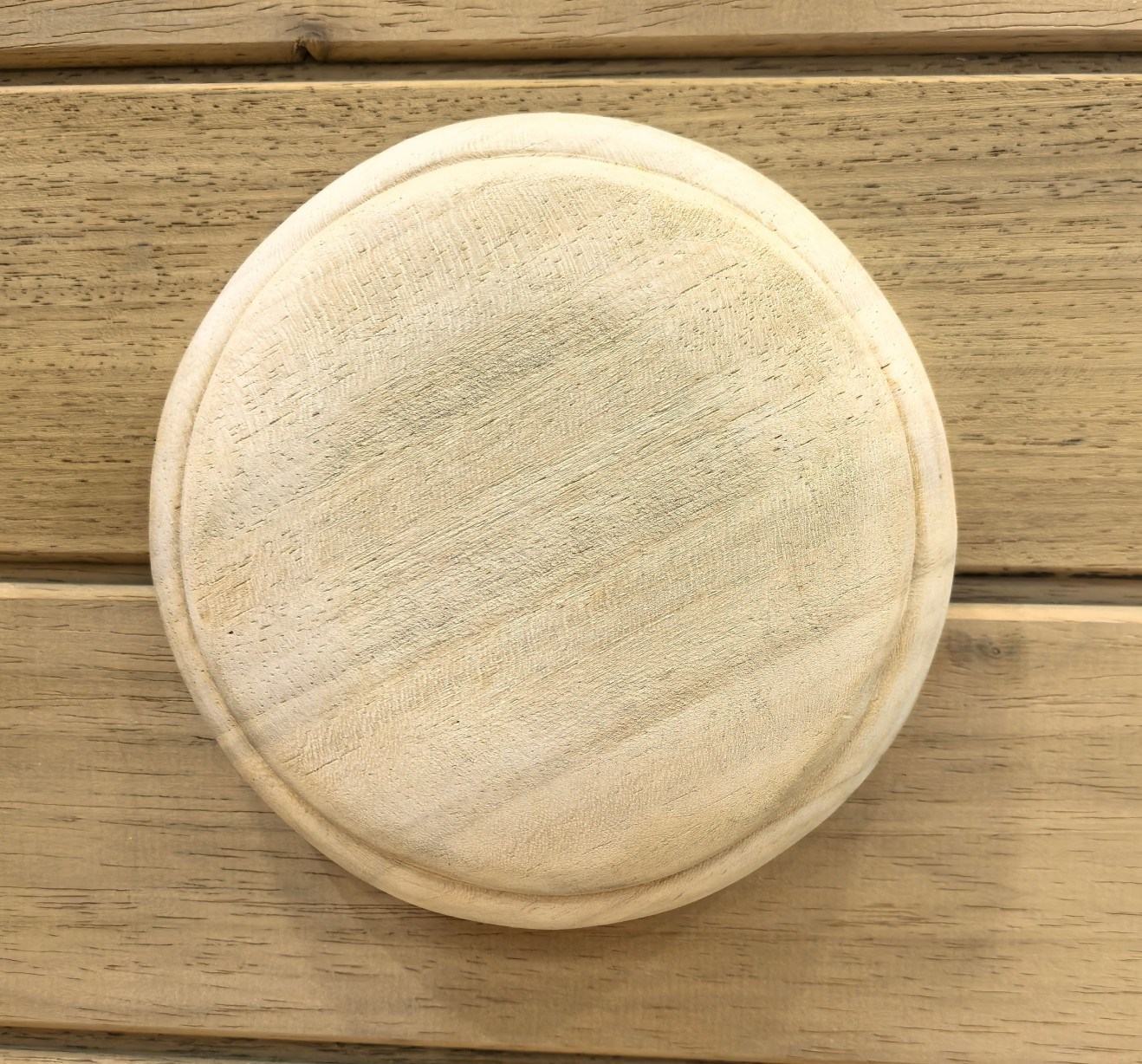
A sauna vent helps air enter and circulate while allowing moisture to leave, so buyers should check installation position, material, and adjustment structure rather than comparing appearance alone.
The basic approach is to create diagonal airflow. A low inlet near the heater allows incoming air to warm before reaching the breathing zone, while an outlet on the opposite wall encourages air to travel across the room. If both openings are installed on the same wall, the middle of the room may not receive sufficient air exchange.
An adjustable cover can be closed during heat-up to reduce heat loss and opened after use to release moisture. Buyers should also check whether adjustment is smooth, whether dimensions and installation methods fit the intended structure, and whether colors, sizes, or designs can be selected for the project. For more options, see the Hydrorelax sauna accessories wholesale category.
| Material | Advantages | Points to Check | Typical Use |
|---|---|---|---|
| Solid wood (hemlock, aspen, or cedar) | Comfortable to touch, coordinates with wood interiors, and is easy to customize | Check moisture content, resin, and resistance to moisture-related cracking | Inside the sauna room |
| 304 stainless steel | Durable, easy to clean, and resistant to deformation | Conducts heat quickly, so it should not be installed where users may touch it | High-use commercial settings or exterior wall areas |
| Aluminum alloy | Lightweight, corrosion-resistant, and suitable for surface finishing | Surface temperature still needs consideration | Weather- and insect-resistant exterior-wall applications |
| ABS or standard plastic | Lower purchasing cost | May age or deform during prolonged exposure to heat and humidity | Not recommended as the main interior material |
Thermometers and Hygrometers: Why Do Position and Range Both Matter?
Thermometers and hygrometers help users observe the sauna environment, but readings are also affected by installation height, distance from the heater, and the operating range of the instrument.
Air inside a sauna forms distinct temperature layers. Install the instrument near seated head height above the upper bench, away from the heater wall and as far from the heater as practical. Mechanical instruments require no batteries and have a simple structure. Digital displays are easier to read, but electronic components should be clearly rated for sauna or steam-room use.
For high-temperature settings, buyers should not rely on consumer electronics designed for normal room temperatures. Check measurement range, probe placement, display type, and heat rating. A range extending to 110-120°C provides additional operating margin.
Sauna Cup Racks: Why Should Buyers Check the Material?
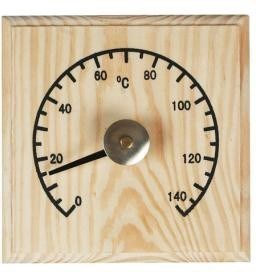
A cup rack may be small, but users handle it frequently, so material, surface feel, burrs, and contact temperature should all be included in purchasing checks.
Canadian hemlock is a common option because it has relatively low resin content and thermal conductivity, a fine grain, and a mild odor. Buyers should still request material information from the supplier and use samples to confirm the surface quality and treatment method.
Cup racks have relatively limited cost and shipping impact and can be combined with other basic accessories. For sauna manufacturers, installers, and retail brands, they can complete the practical setup used inside the sauna room.
Sand Timers: Why Do They Fit a Basic Sauna Accessory Range?
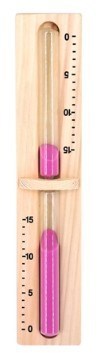
A sand timer requires no power and has a simple structure, making it suitable for a cost-controlled basic sauna accessory assortment.
Compared with electronic timers or digital control panels, a sand timer does not depend on electricity. Its small size and low weight also make it easier to ship and combine with other accessories. Buyers should check timing duration, frame material, glass-tube fixing, and base stability. A 15-minute timer is a common configuration.
For wholesalers, a sand timer is also an easily recognized component that helps customers understand the use of a complete set. Samples should be used to check timing performance and condition after transport, not just appearance.
Sauna Bucket Sets: What Work Can Combined Purchasing Reduce?
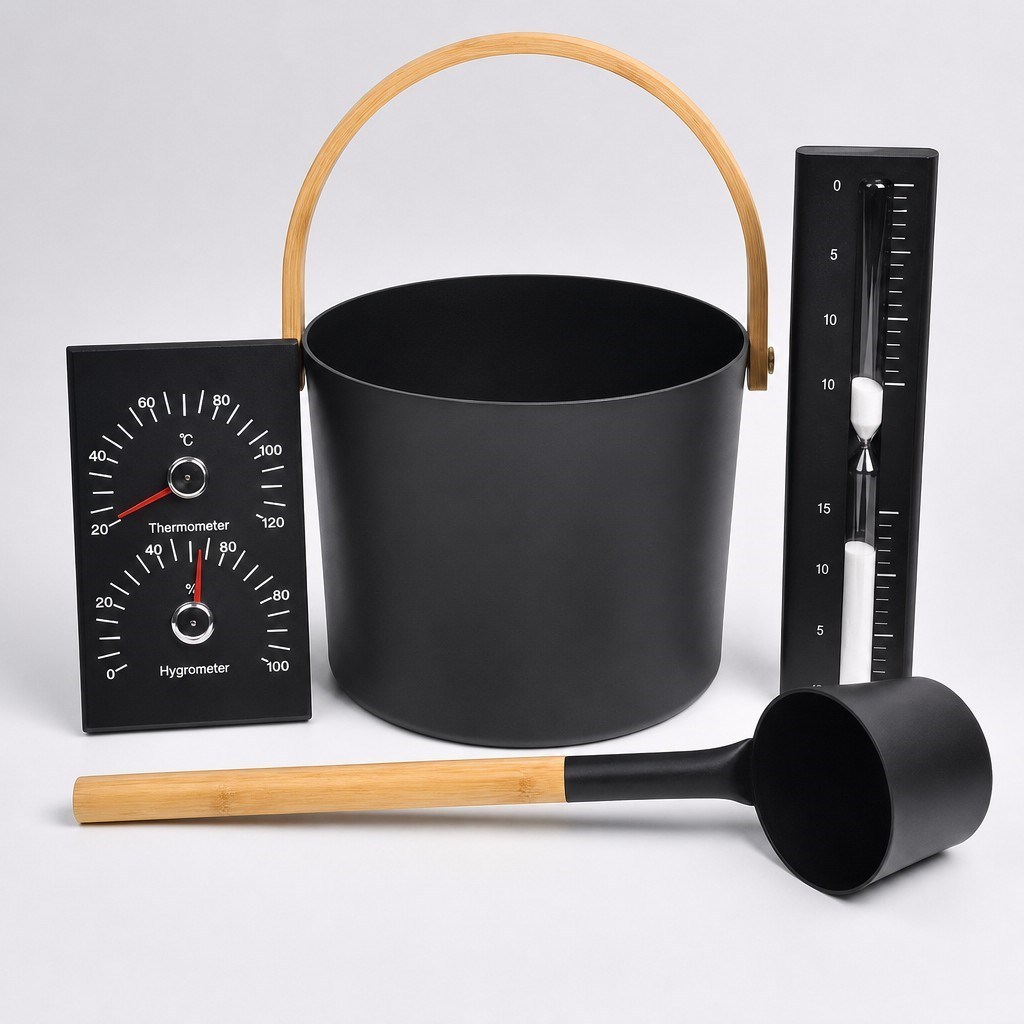
Buying a bucket, ladle, thermometer, and sand timer as a set can reduce separate quotation, packing, and inventory work while keeping the visual style consistent.
A basic sauna accessory set may include a sand timer, thermometer, bucket, and ladle. Buyers can adjust the combination for their market positioning and check each item's material, dimensions, wood color, surface treatment, shape, and packaging.
- Purchasing management: The supplier prepares the combination in advance, reducing the work required to manage multiple SKUs separately.
- Visual consistency: Matching wood, colors, and surface finishes make it easier to create a coordinated assortment.
- Market positioning: Mid- to high-end ranges may place more weight on materials and finishing, while mass retail ranges need to balance total cost and packing efficiency.
For related products, browse the sauna buckets and sauna ladles categories. For additional sauna hardware and accessories introduced in 2026, see the Hydrorelax new product sourcing guide.
Individual Accessories or Complete Sets: Which Fits Your Sales Model?
Established product lines can replenish individual accessories according to sales, while new ranges can use sets to build a complete sauna accessory assortment more quickly.
| Purchasing Method | Suitable Situation | Main Advantage | Point to Check |
|---|---|---|---|
| Individual items | Existing sales are stable and specific accessories need replenishment | Flexible restocking without adding inventory for unrelated products | Multiple SKUs require separate quotation, packing, and management |
| Complete sets | A new range is being built or a full accessory assortment needs to launch quickly | More consistent matching, packaging, and visual style | Confirm the material, specification, and packaging of every item in advance |
First-time importers can also review what to check before buying accessories wholesale from China. Buyers focusing on sets can refer to the guide covering MOQ, certifications, compatibility, and lead time for accessory kits.
Which Sauna Accessories Can Be Purchased Later?
Optional accessories still have value, but buyers controlling the budget for a first order can place aromatherapy products, special lighting, smart controls, and complex entertainment functions in a second phase.
A more controlled sequence is to observe sales, customer feedback, and after-sales issues for the basic range before deciding which comfort, design, or smart products to add. This avoids increasing the SKU count before demand is clear and keeps cash and inventory focused on products with defined use cases.
Wholesale Sourcing from China: How Should Buyers Compare Suppliers?
A useful supplier comparison should be based on the same material, specification, packaging, and quality requirements rather than sending a picture to several suppliers and comparing only the lowest price.
Before requesting quotations, define the target products, expected quantity, material requirements, packaging method, and target market. Then compare suppliers across the following points:
- Environmental suitability: Check whether wood, metal, plastic, and surface treatments are suitable for prolonged heat and humidity.
- MOQ: Confirm whether the minimum order quantity fits the current sales scale. Some standard set configurations may start from 100 sets; customized wood, sizes, packaging, or logos should be confirmed for each project.
- Combined supply: Check whether the supplier can provide vents, timers, thermometers, buckets, ladles, and other accessories to reduce supplier count and matching work.
- Samples and documents: Confirm whether samples, material information, dimensional data, and packaging proposals are available before mass production.
- Lead time: A reference production period for standard items is 25-30 days; custom orders and peak-season schedules should be confirmed separately.
- Like-for-like pricing: Quotations are comparable only when materials, specifications, packaging, and quality requirements are aligned.
Purchasing Takeaways: Four Points to Confirm First
When building a sauna accessory range, complete these four checks first:
- Use case: Prioritize accessories involved in ventilation, monitoring, timing, water handling, and storage.
- Environmental suitability: Check whether wood, metal, plastic, and surface treatments fit high-temperature, high-humidity conditions.
- Purchasing method: Choose individual replenishment or complete sets according to existing sales and SKU management capacity.
- Supply verification: Use samples, material information, packaging plans, MOQ, and lead time to evaluate supply capability instead of comparing price alone.
Looking Ahead
After the sales, quality, and replenishment cycle of the basic sauna accessory range becomes stable, buyers can add aromatherapy, lighting, smart controls, or other value-added products according to customer feedback. Hydrorelax will continue to provide product information and sourcing support for accessory combinations, material selection, packaging, and bulk purchasing.