Hot Tub Features Explained: What's Essential vs. What's Worth Paying For
- Share
- Issue Time
- Oct 6,2026
Summary
Discover which hot tub features are must-haves and which are worth paying for. Compare jets, pumps, controls, sanitation, lighting, and smart upgrades before you buy.
Published: September 24, 2026 · By Sofia · Category: Blog
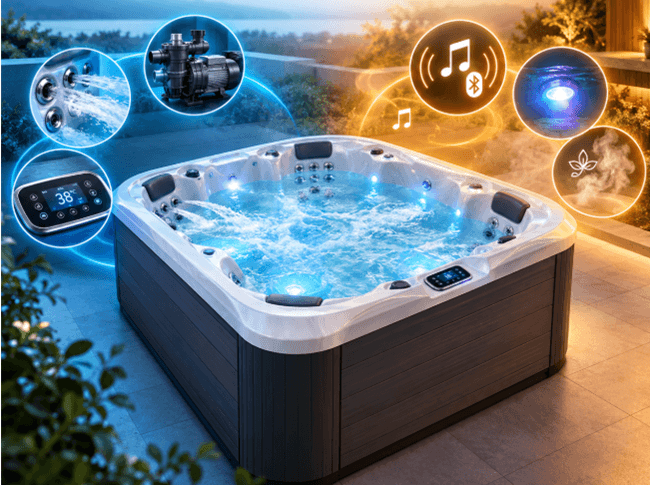
Hot tub buyers often regret one of two decisions: paying extra for features they rarely use, or cutting essential components that are difficult to add later. The key is not simply comparing specifications, but determining whether each feature affects basic operation, future upgrades, or long-term maintenance costs.
Choosing Hot Tub Features: What Is Essential and What Is Optional?
Match the jets, pumps, and control system first, then evaluate optional features based on water care, usage frequency, upgrade difficulty, and spare-parts availability.
| Feature | Priority | Main Decision Factor |
|---|---|---|
| Jets, pumps, and control system | Essential | They affect basic operation and system matching, and can be difficult to retrofit. |
| UV or ozone sanitization system | Evaluate early | Consider water volume, circulation conditions, usage load, and maintenance practices. |
| LED lighting system | Scenario-based | Its value mainly depends on nighttime use and project positioning. |
| Smart touchscreen | Project-based | Check outdoor durability, warranty coverage, and spare-parts availability. |
| Bluetooth speakers, mist, or aromatherapy | Optional | Base the decision on actual usage, waterproofing, cleaning, and maintenance costs. |
Must-Have Criteria: Which Features Should Not Be Removed Just to Lower the Price?
A feature should be confirmed during procurement if it affects basic operation, is difficult to retrofit, or directly changes long-term operating costs.
- Would removing it affect the hot tub's basic operation?
- Can it be added or retrofitted easily later?
- Does it directly affect long-term energy, consumable, or maintenance costs?
The three essential systems in this comparison are jets, pumps, and controls.
Jet Configuration: How Do Different Water-Flow Patterns Affect Massage?
Spa jets determine water-flow direction, coverage, and massage sensation, so quantity alone is not a useful comparison.
Rotary Jets
Rotating water flow covers a larger area and works well for relaxation, but it provides less targeted pressure on one specific area.
Directional Jets
These jets deliver water in a fixed direction and are generally used for concentrated massage in specific areas. Their straightforward structure and maintenance suit basic, cost-focused configurations.
Adjustable Directional Jets
Users can manually change the water-flow direction and intensity, making these jets suitable for targeted massage of the lower back, neck, shoulders, or feet.
Air Jets
Air jets introduce bubbles for a gentler full-body experience. For a direct comparison of the two systems, see Air Jets vs. Water Jets in Spa Systems.
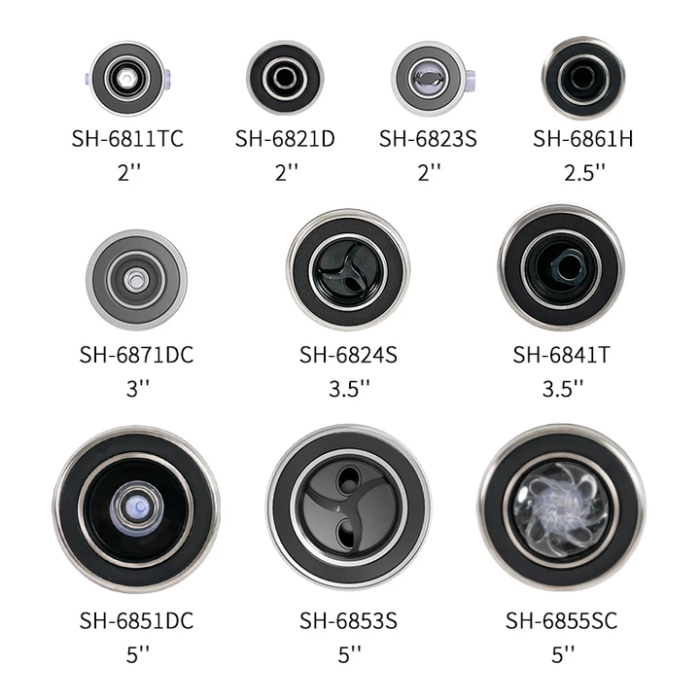
SH Series Spa Jets
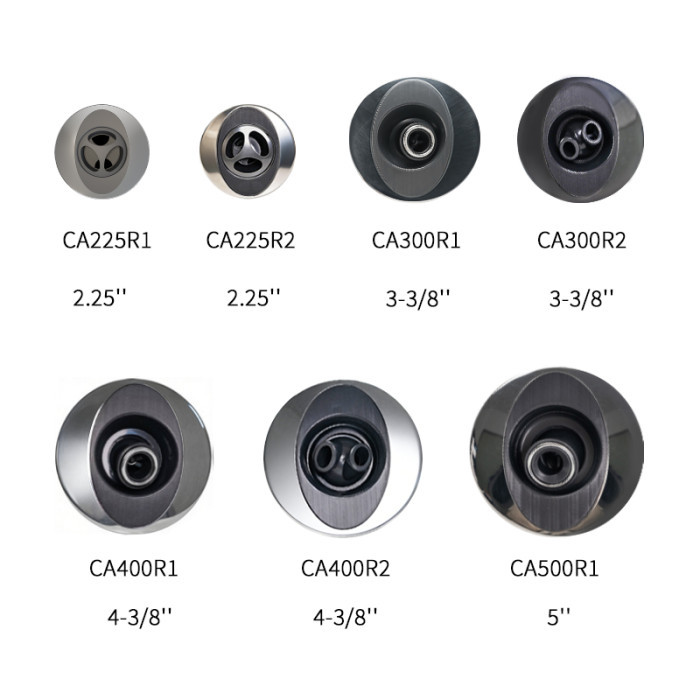
CAR Series Spa Jets
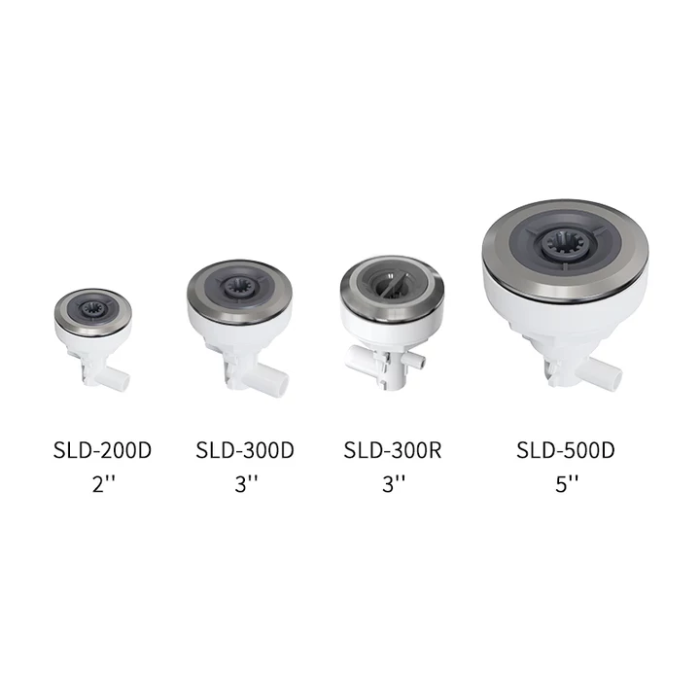
SLD Series Spa Jets
Jet placement usually focuses on the lower back, neck and shoulders, and feet. Commercial projects such as hotels and resorts can check whether all three areas are covered, while residential configurations can be adjusted around the main users' habits. For more detail, see the guide to spa jet types and applications.
Pump Systems: How Should Buyers Balance Jet Count and Water Pressure?
Spa pumps power massage and water circulation. The correct sequence is to confirm pump capacity first, then determine the compatible number of jets.
Single-Pump System
One two-speed pump handles both massage and filtration circulation. This configuration suits residential or lower-frequency use.
Dual-Pump System
One common arrangement uses a circulation pump and a massage pump to separate the two functions. Another uses two massage pumps, with one also handling circulation.
Commercial procurement check: Review the applicable IEC 60335-2-60:2023 safety standard for whirlpool baths and spas and related test reports. Confirm whether the motor insulation is Class F or higher and whether the complete unit is rated IPX5 or higher. Final requirements should still follow local regulations, the installation environment, and supplier technical documents.
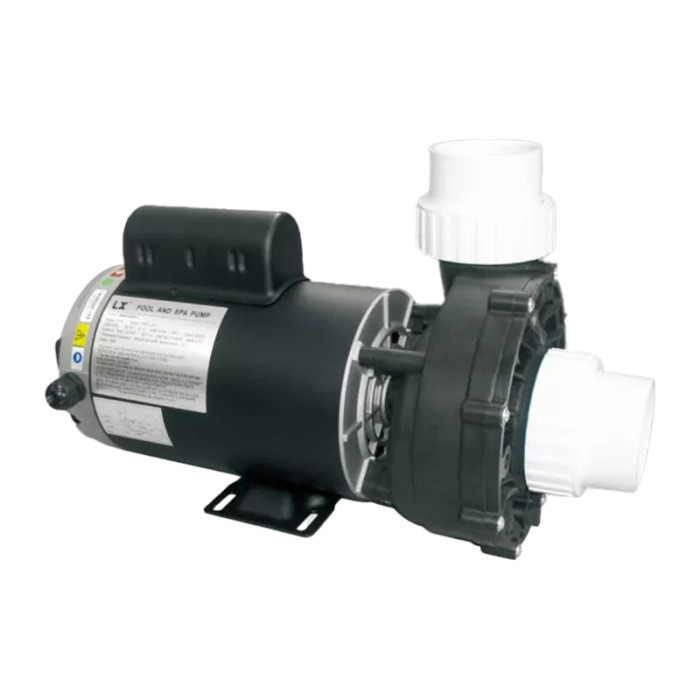
56WUA Series Spa Pump
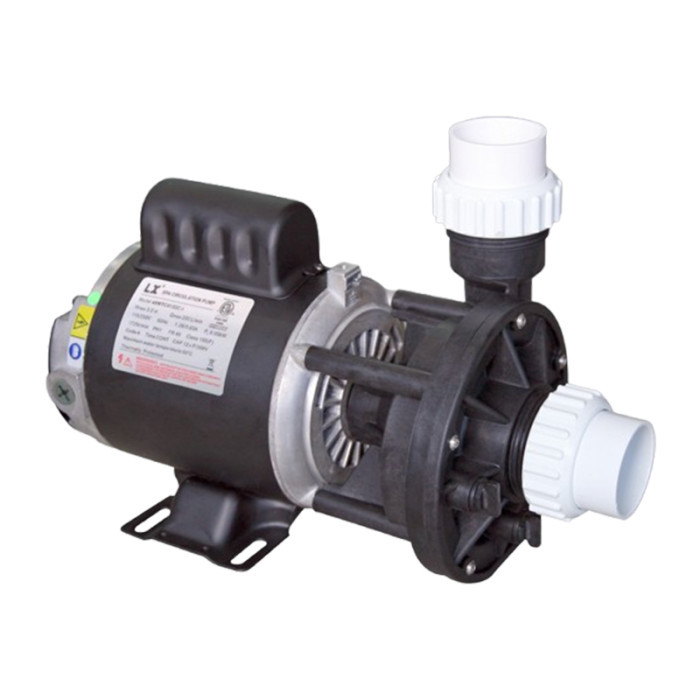
48WTC Series Spa Pump
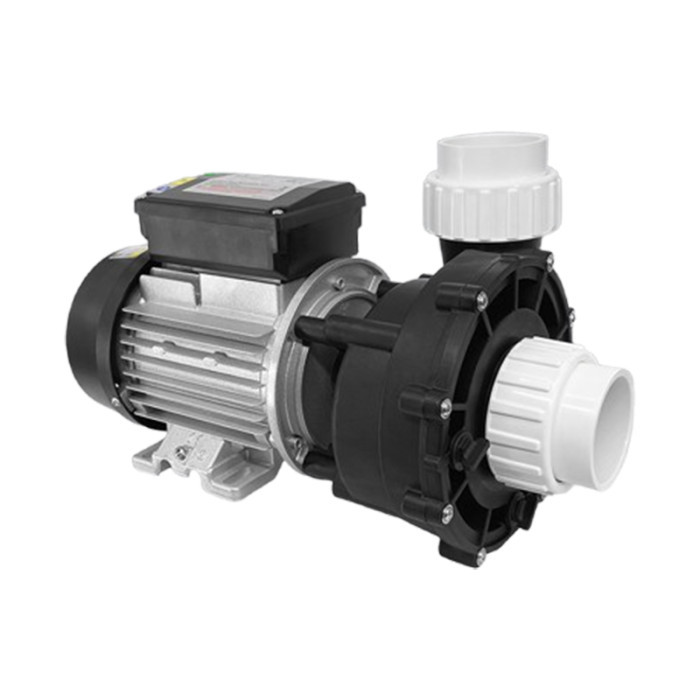
WTC50M-C Series Spa Pump
When pump capacity is fixed, adding jets reduces the pressure available at each jet. For a stronger massage, match the pump and plumbing before deciding the jet count rather than pursuing more jets in isolation. See Hot Tub Pump vs. Blower for the functional differences.
Control Systems: Why Should Future Upgrades Be Planned Before Production?
Hot tub plumbing, wiring, and connections are set during manufacturing, so replacing the control system later is usually more complicated than configuring it at the factory.
Basic controls cover temperature, jets, and lighting. Timer functions schedule heating and filtration cycles. Remote connectivity supports water-temperature and equipment-status monitoring, which can help hotels managing multiple units.
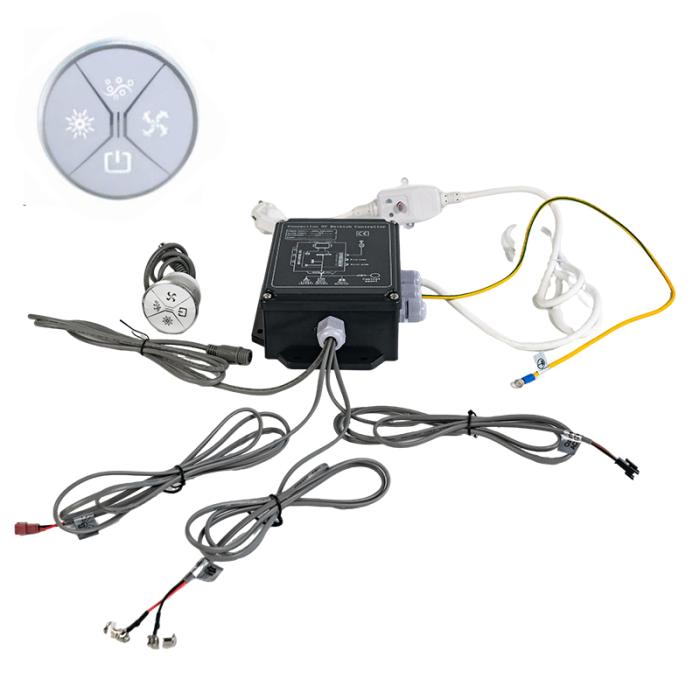
PR-03 Spa Control System
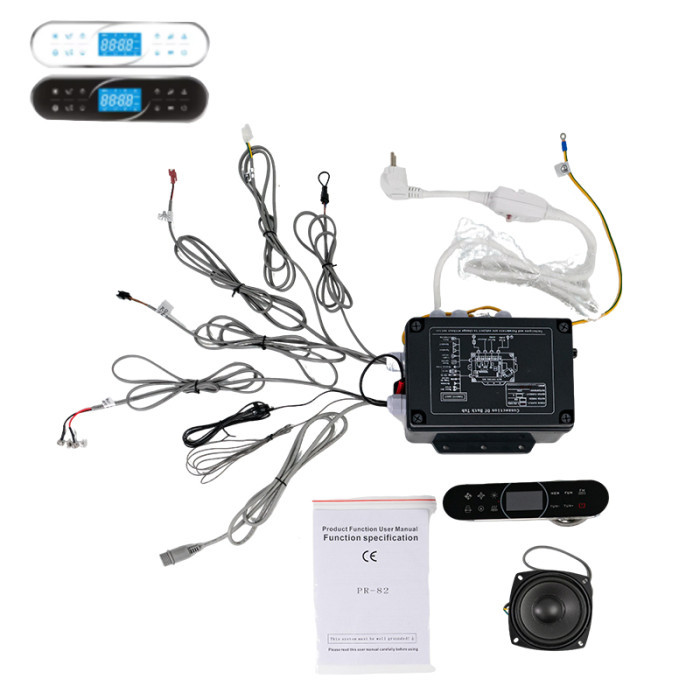
PR-82 Spa Control System
If remote connectivity is not needed now but may be added later, confirm that the necessary ports are reserved before ordering. Without them, an upgrade may require a new control board or related wiring. Buyers should also verify controller and panel compatibility; see Hot Tub Controller and Control Panel Compatibility.
Optional Feature Priorities: Which Upgrades Deserve Earlier Consideration?
Optional features do not need to be installed as a full package. Evaluate each one according to usage frequency, maintenance difficulty, retrofit cost, and project positioning.
Evaluate Early: UV or Ozone Sanitization
Water care is a central part of long-term hot tub operation. The source material gives a reference range in which a UV or ozone sanitization system can help reduce chlorine and other chemical sanitizer use by 60%-80%. Actual performance depends on water volume, circulation, usage frequency, and maintenance practices, so buyers should request operating conditions and technical documentation from the supplier. For system basics, see the bathtub ozone system guide.
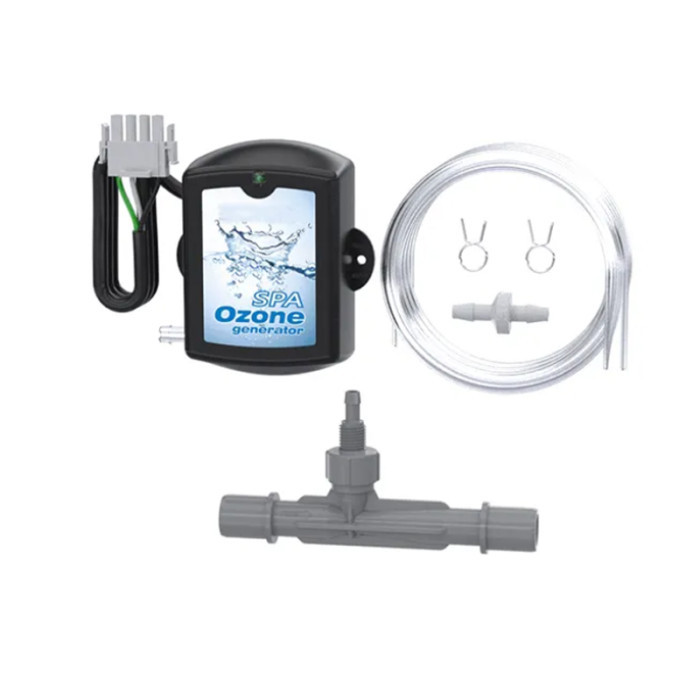
OZ-124 Spa Ozone Generator
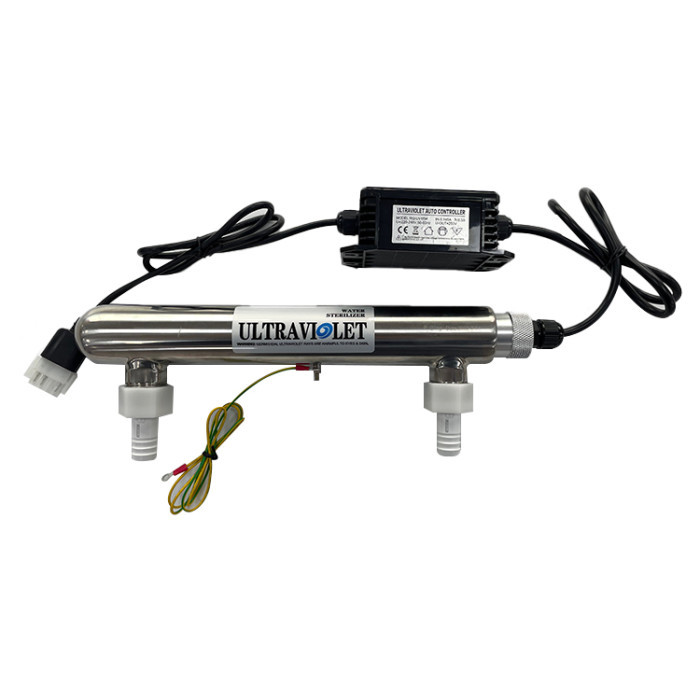
UV2000 Spa UV Sanitizer
Evaluate Early: LED Lighting
LED color lighting can improve the atmosphere when a hot tub is used frequently at night. Hotel projects should also assess light compatibility, control methods, and replacement convenience. See the hot tub LED upgrade guide.
Project-Based: Smart Touchscreen
A touchscreen provides a more visual interface, but outdoor use increases the importance of waterproofing, warranty coverage, and spare-parts support. Confirm the repair process, warranty scope, and replacement-panel lead time before purchasing.
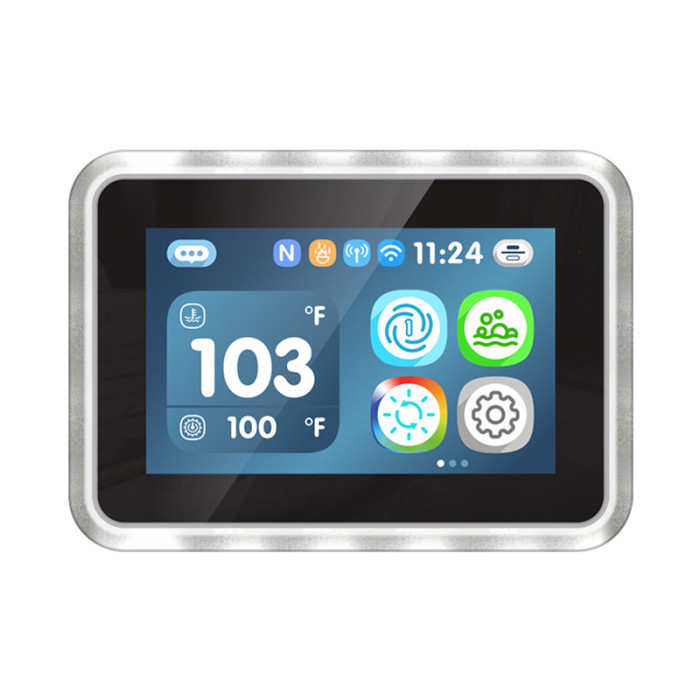
PB565 Spa Touchscreen Panel
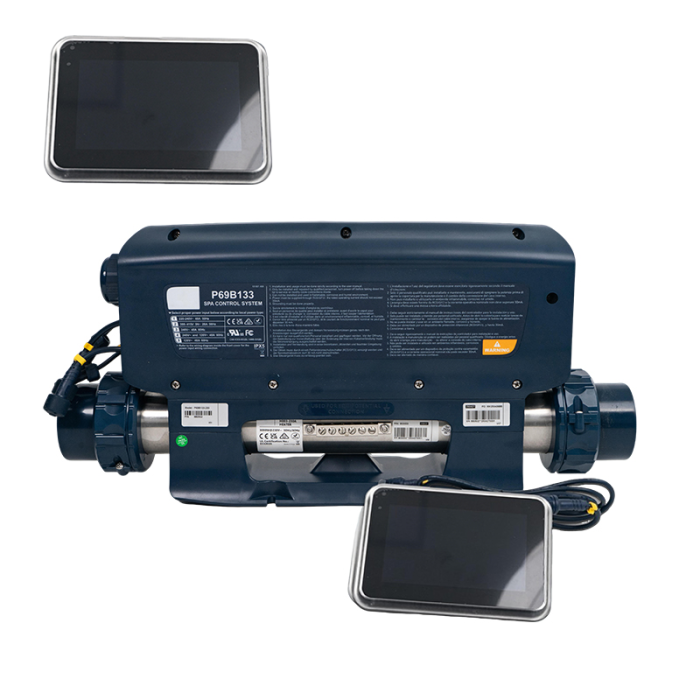
PB565 Touchscreen with P69B133 Spa Control System
Project-Based: Bluetooth Speakers
Residential buyers can compare built-in systems with separate waterproof speakers based on sound quality, cost, and replacement convenience. Commercial projects should also consider waterproof ratings, downtime after a fault, and the maintenance path. See the spa audio-visual system guide.
Project-Based: Mist or Aromatherapy System
Aromatherapy can suit projects with a clear need for a multi-sensory experience. Typical commercial projects should first assess expected usage, cleaning procedures, and consumable management. See the bathtub aromatherapy system guide for integration considerations.
Three Common Purchasing Mistakes: Why Can a Lower Initial Price Increase Later Costs?
The common problem is not simply buying fewer features, but overlooking system matching, upgrade conditions, and spare-parts availability.
Mistake 1: Assuming More Jets Are Always Better
When pump capacity stays the same, adding jets reduces the pressure delivered by each one. Increasing the jet count without rematching the pump and plumbing can raise costs while weakening the massage experience.
Mistake 2: Assuming Optional Features Can Always Be Added Later
Retrofit feasibility depends on whether the required plumbing, wiring, and ports were reserved during production. Before purchasing, ask which components would need replacement, what the upgrade process involves, and how much it may cost.
Mistake 3: Overlooking Spare Parts and Maintenance Costs
The replaceability of filter cartridges, pump heads, jets, and control panels affects downtime and maintenance costs. Confirm local stock, lead times, and compatibility before equipment fails. For filter procurement, see the spa filter cartridge buying guide.
Configuration Summary: Four Questions for Setting Budget Priorities
Before confirming a quotation, use four questions to screen each feature:
- Does it affect basic operation? Match jets, pumps, and controls before adding optional features.
- Can it be retrofitted at a reasonable cost? Reserve plumbing, wiring, and ports that cannot be changed easily later.
- Will it be used often enough? Choose lighting, audio, touchscreens, and aromatherapy around actual use scenarios.
- Are maintenance conditions clear? Confirm spare parts, warranties, compatibility, and supply lead times during procurement.
Looking Ahead: How Can a Project Preserve Room for Future Upgrades?
A hot tub does not need every available feature at launch, but the manufacturing stage should preserve the conditions needed for likely upgrades. Start with the core system, then evaluate lighting, sanitization, connectivity, audio, and aromatherapy according to residential, hotel, resort, or other commercial use.
Work With Us: Need Hot Tub Components Matched to Your Project?
Hydrorelax supplies jets, pumps, filtration systems, control systems, and hot tub covers, with OEM support available. If you are comparing system configurations for a specific project, contact us with the application, target functions, and maintenance requirements so the configuration can be reviewed around your project.
Frequently Asked Questions
Which hot tub features should be confirmed first?
First match the jets, pumps, and control system. Then check filtration, sanitization, and the connections needed for future upgrades before comparing lighting, audio, touchscreen, or aromatherapy features.
Do more jets always provide a better massage?
No. With fixed pump capacity, more jets divide the available pressure. Evaluate jet count, jet type, placement, pumps, and plumbing as one system.
How should buyers choose between single- and dual-pump systems?
Residential or lower-frequency use can evaluate one two-speed pump for massage and circulation. Higher-frequency or commercial projects can evaluate a dual-pump arrangement that separates circulation and massage. Final selection should reflect jet count, usage frequency, and technical documentation.
Is a UV or ozone sanitization system worth adding?
It deserves early evaluation when water care and long-term consumable management matter. Confirm applicable water volume, circulation conditions, maintenance requirements, and supplier technical evidence.
Which optional features are most difficult to add later?
Features that require dedicated plumbing, wiring, control boards, or ports need earlier planning. Ask whether the necessary connections are reserved and which parts would need replacement during a future upgrade.
- End of blog -