Hot Tub Valves: Diverter vs Air Control
- Share
- Issue Time
- Jun 9,2026
Summary
This is a quick, practical guide to help you easily identify different types of valves in a hot tub, understand how they're built and how they work.
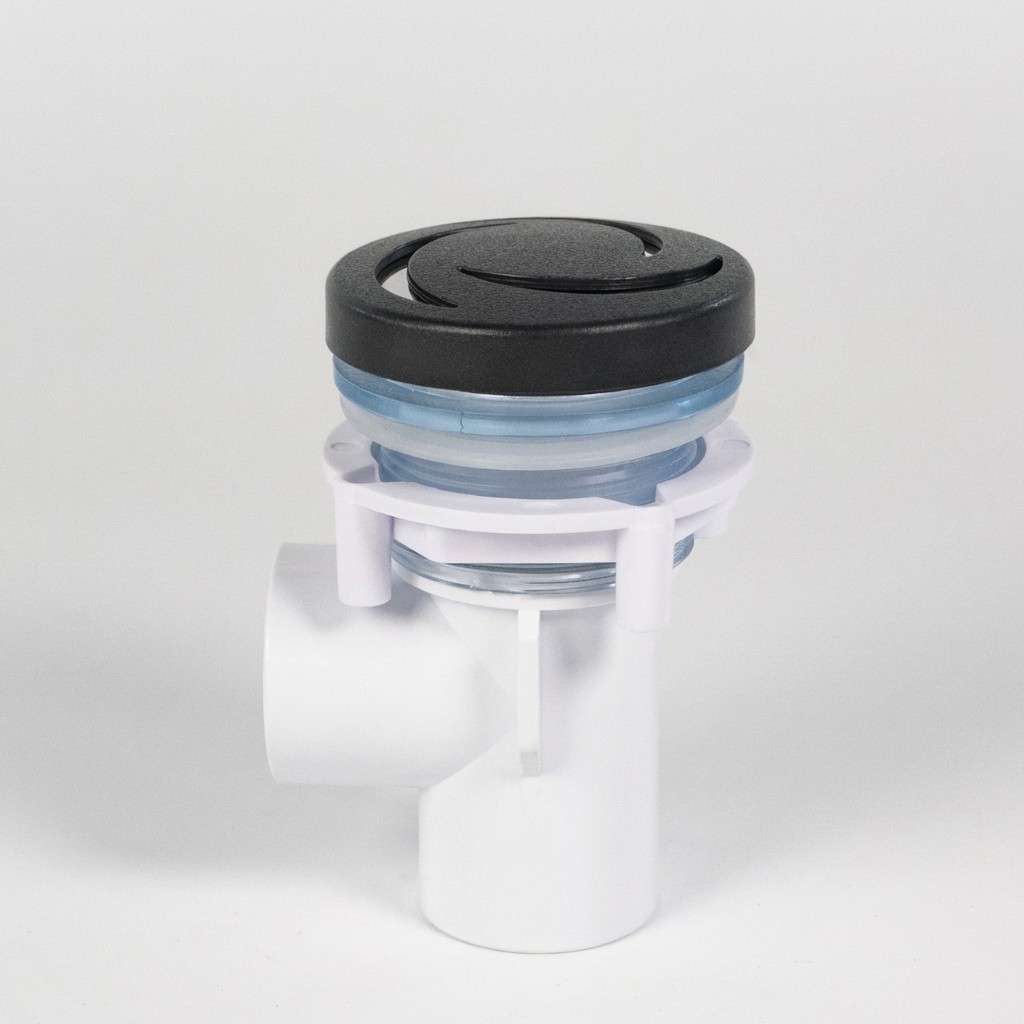
When a diverter valve and an air control valve are both installed on a hot tub, it's not always easy to tell them apart at first glance, at least for most users. Of course, if you're a hot tub manufacturer or brand, this is something you're already very familiar with.
In today's blog, we're keeping things simple. This is a quick, practical guide to help you easily identify different types of valves in a hot tub, understand how they're built and how they work.
Why you really need to understand hot tub valves?
Valves directly control how water flows through the system, so they play a big role in whether users can actually get the experience they want. When something goes wrong with a valve, it usually means higher after-sales costs, and potential risk to your brand reputation.
Here's a very real example:
Some of our distributor clients have told us that end users complained about the valve handle coming off while turning it.
In a few cases, the handle couldn't even be reinstalled because the valve itself was too tight to move. Most of the time, the root cause comes down to issues during installation or improper use.
More specifically, a valve that feels too tight to turn is often caused by:
Aging seals: Over time, O-rings can harden or wear out, which affects sealing performance and makes the valve harder to rotate.
Scale buildup: Minerals in the water can accumulate inside the valve, and over time this buildup can create resistance or even cause the valve to stick.
How to fix it
Check and replace seals regularly
Clean scale buildup with proper cleaner
Don't over-tighten during installation(leave some room to move)
In short, knowing how valves work, and how to use them, shows real expertise.And that's how brands earn long-term trust.
Diverter Valve Structure and What It Does
Let's start with the diverter valve. In a typical hot tub system, its job is pretty straightforward, it redirects the flow of water.
In most cases, it lets you switch water flow from one jet zone to another, or split it between two outlets. For example, you might have strong massage pressure on seat A and lighter pressure on seat B.Or have zone A fully on while zone B is completely off.
That's exactly why in spas with multiple seats and massage zones, diverter valves are pretty much a standard feature.
Structure of a Diverter Valve
So what are the key parts of a standard diverter valve? The components are actually pretty simple and generally include the following:
Let's take this 1.5" three-way diverter valve as an example:
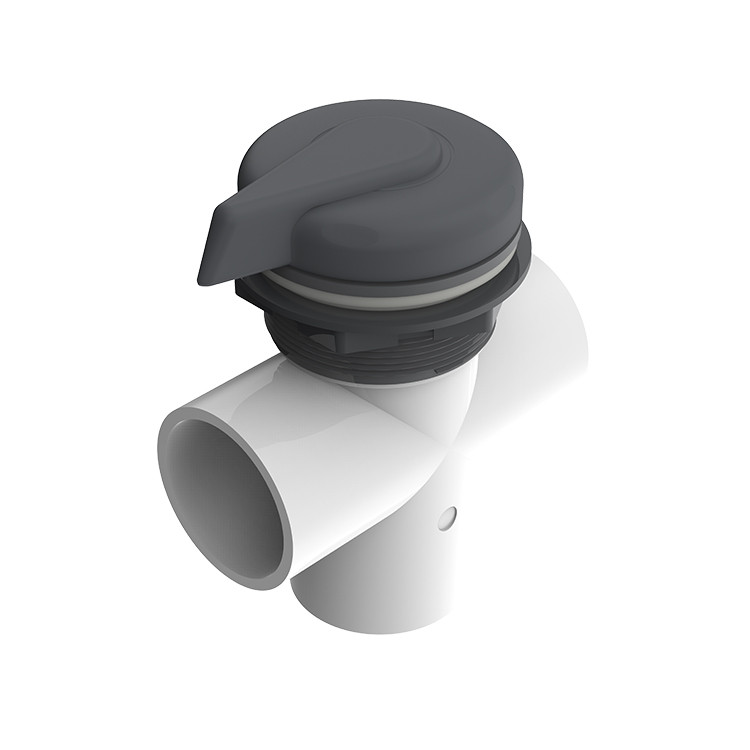
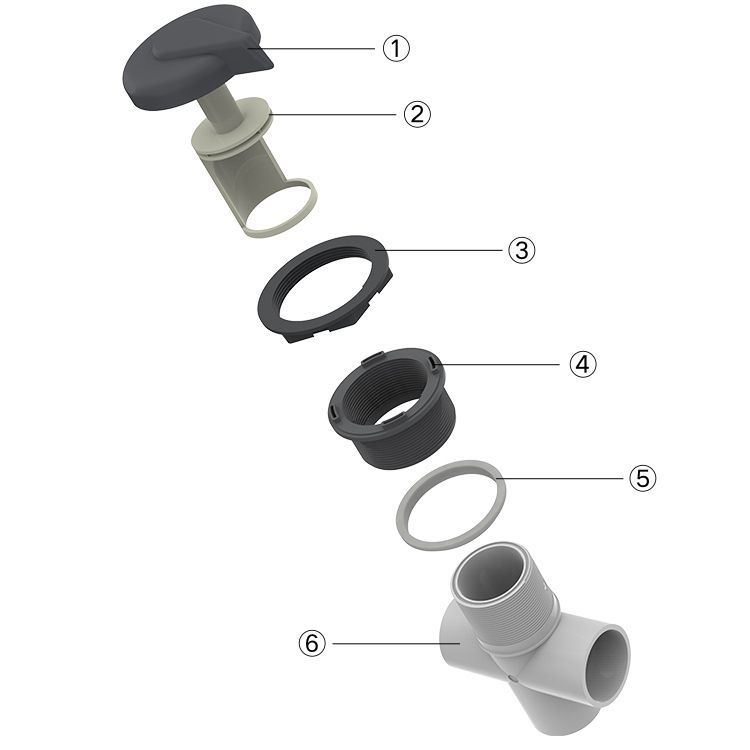
Body: (shown as #6), Made of heat- and corrosion-resistant plastic (like ABS or PVC).It has multiple internal water channels.
Handle : Part labeled as #1, the part users touch directly. Turning the handle operates the internal valve core.
Diverter Valve Gate : Core component (#2).Rotating the gate opens or closes channels, directing water flow.
Lock Nut & Top Housing: (#3 & #4).Threaded ring that secures the top to the body, keeping the valve sealed and pressure-safe.
Seat & Seal : (#5).Prevents leaks between channels and ensures smooth operation.
Common Diverter Valve Types and Designs
Top-Mount Diverters:
The most common type in modern hot tubs.
These sit on top of the tub with a cover and handle for easy use.
Common Handle Styles:
1.“Bear Paw” Handles
Large, ergonomic grips shaped like animal paws (common in Arctic Spas)
2.Round Knobs
Circular turning handles
3.Triangle Handles
Three-sided grips for better leverage
4.6-Spoke Handles
Wheel-like design for precise control
Waterfall Diverters
Designed specifically for controlling water features, these devices let you adjust the flow of a waterfall. You can go from a gentle trickle to a full cascade, or even shut it off completely.
2-Way vs. 3-Way Diverters
2-way: Directs water between two zones (left/right)
3-way: Distributes water to multiple jet groups or mixes flows
Pro Tip
If you are designing a multi-seat spa but only using one pump, a diverter valve is essential. Without it, the user experience will drop significantly. Poor water flow through the channels increases pressure loss, which ultimately reduces massage intensity.
Air Control Valve Structure & Function
Air control valves look similar to diverter valves, but their main job is to adjust the air-to-water mix. They don't change the direction of water flow, they change the massage intensity.
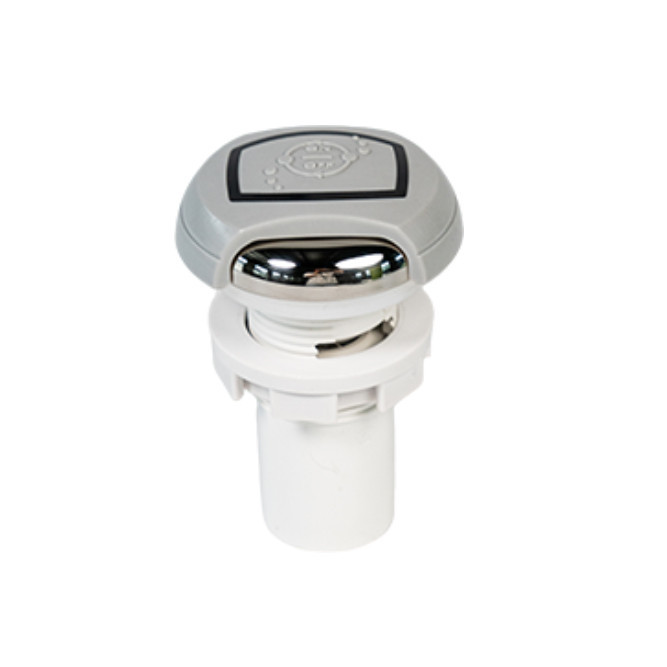
Structure of an Air Control Valve
The valve includes a valve body, which is relatively compact and connects to the air channel. Then there is the control stem, which can be rotated or pushed and pulled to change the size of the opening, controlling airflow.
It also has a sealing system (O-ring / seal) to prevent air leaks during adjustment. Users can fine-tune the massage by simply turning the knob.
How to Quickly Tell Diverters and Air Valves Apart
In practice, diverter valves and air control valves are often confused, especially during installation or maintenance. Here are a few simple ways to tell them apart.
First, look at the size and handle. Diverter valves are larger with wider handles and a bigger rotation, usually 90 to 180 degrees. Air control valves are smaller with a smooth, precise knob for fine adjustments.
Next, check the function. Diverter valves control water direction. Air control valves adjust the air mix to change massage intensity.
Also, check the location. Diverter valves sit at main water branches. Air control valves are near the jets or panels.
Finally, notice the effect. If some jets stop and others increase, it is a diverter valve. If all jets run but the intensity changes, it is an air control valve.
These methods help you quickly identify the valves and avoid mistakes during installation.
The Small Part That Makes a Big Difference
Once you can tell a diverter valve from an air control valve, check the O-ring. It is more important than most people realize.
O-rings do more than prevent leaks. They affect the valve's lifespan, smooth operation, and system stability.
For example, a common leak point in diverter valves is worn or loose O-rings. Many plastic diverter valves have a removable top cap or nut that holds the internal seal in place.Check the nut under the handle first, it usually just needs hand-tightening. Then remove the top cap and inspect the O-ring. Replace it if it is old, cracked, or misaligned.
Leaks can also happen at glued pipe connections if installed wrong. Make sure directional markings are aligned to avoid upside-down installation.
Using quality sealing materials improves reliability. Pay attention to O-ring material, number, and key connection points when choosing spa valves.
Hot Tub Diverter & Air Valve FAQ
1.Can a diverter fully shut off a water path?
Most valves can, but some are designed to let a little water through to keep the pump safe.
2.What if a valve feels stiff or stuck?
Usually worn seals or scale buildup. Clean or replace as needed.
3.Do all spas have diverters?
No. Smaller or entry-level tubs may not.
4.Can I replace a valve myself?
Some yes, but professional installation is recommended to avoid leaks.
Hydrorelax Insight
Now you can clearly tell diverters from air valves and understand their role in a hot tub system.
Hydrorelax has spent 25 years focused on hot tub components, providing stable, reliable solutions for brands and manufacturers worldwide, supporting both standard supply and custom projects.
If you're working on product development or optimization, contact the Hydrorelax team for expert support.
About the Author
Written by Shirley, who has worked in the spa and wellness industry for many years with deep experience in hot tub components.
Her work involves spa product research and market analysis. She aims to share useful insights to help spa brands and manufacturers understand market needs, optimize designs, and improve competitiveness.
Recommended Products
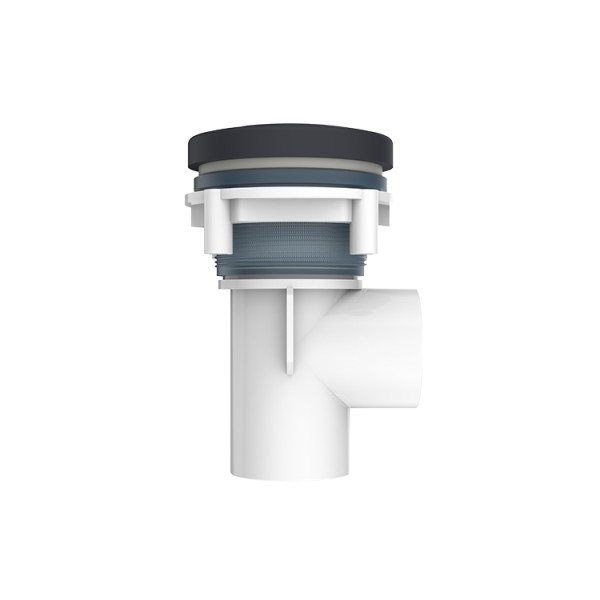
Interface size: 1"
1.5" Three-way Diverter valves
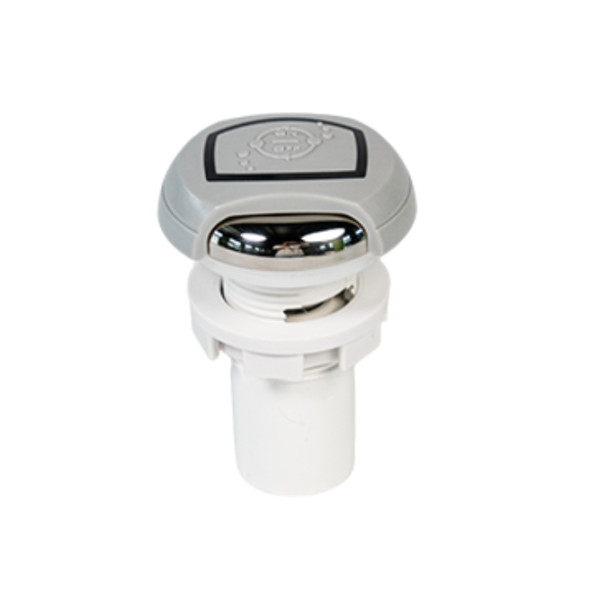
1" AIR control
2" Three-way Diverter valves