How Do Manufacturers Produce SPA Covers?
- Share
- Issue Time
- Jul 29,2026
Summary
Today, let us take a quick look into the spa cover manufacturing process.
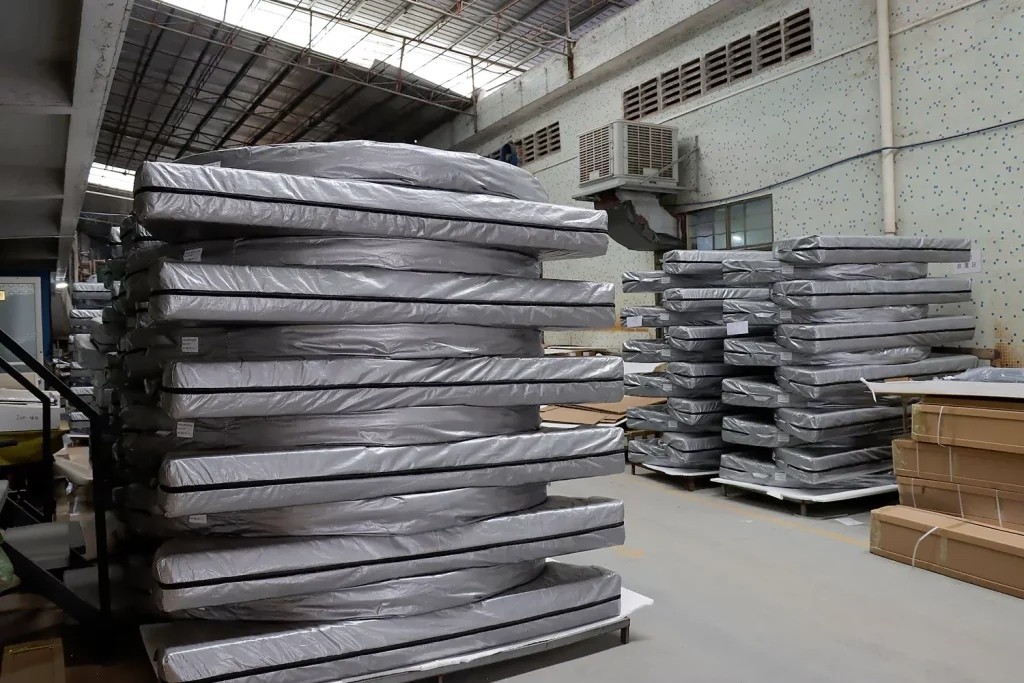
For many hot tub users, a spa cover looks like nothing more than a simple insulated lid.But for professional spa cover manufacturers, crafting a high-quality product is far more complex than just combining foam with vinyl.
Today, let us take a quick look into the spa cover manufacturing process. This perspective not only helps you evaluate a supplier's true production capacity, but also enables you to establish more accurate product specifications and quality standards before placing bulk orders.
Basic Structure of a Spa Cover
Before learning about the manufacturing process, let’s first understand the basic structure of a spa cover.
Although spa cover designs may vary between different markets and brands, most outdoor hot tub covers are made up of several key components.
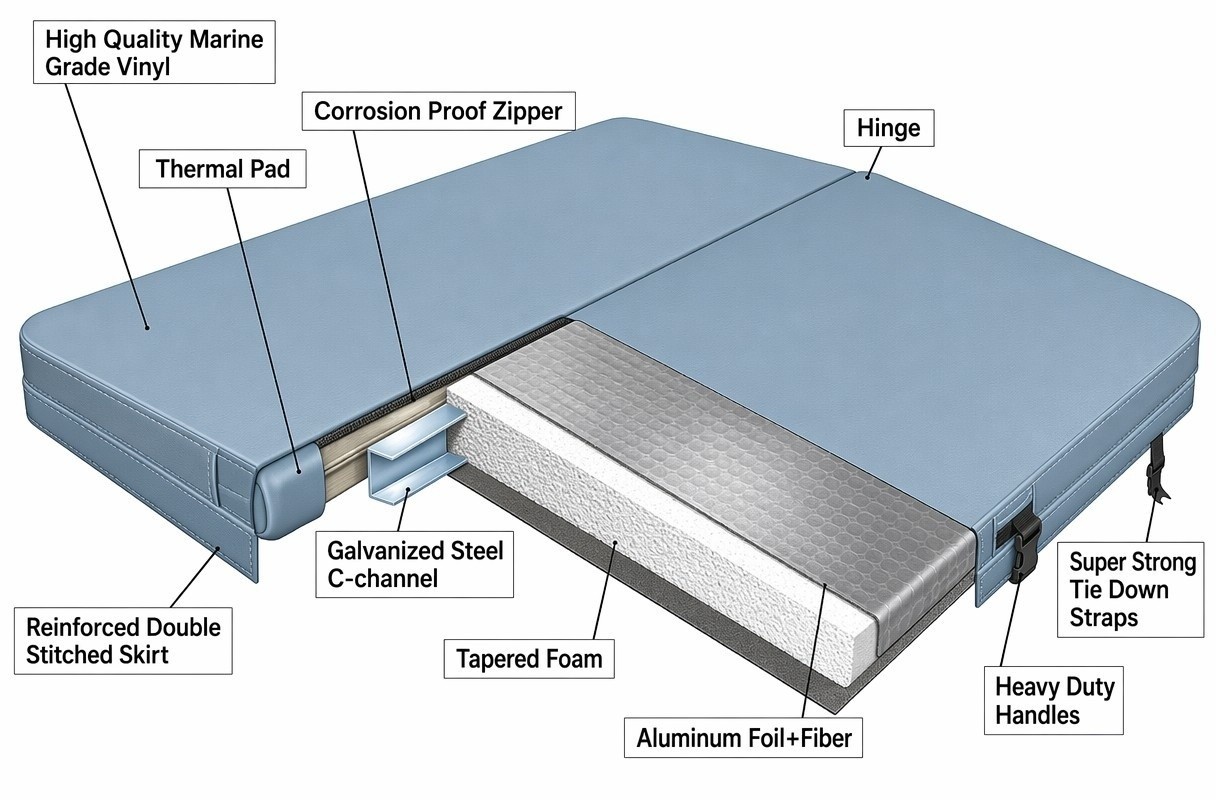
Outer Protective Layer
The outermost layer is the spa cover skin, also known as the vinyl cover.
It is the part that directly faces outdoor conditions and needs to withstand long-term exposure to sunlight, rain, temperature changes, and daily wear.
Therefore, the material should have good UV resistance, waterproof performance, and weather durability.
Reinforcement Support
Inside the vinyl skin is the main support structure of the spa cover.
A common reinforcement method used in the market is C-channel reinforcement.
C-channels are usually made from galvanized steel, providing strong support while controlling costs and reducing the risk of rust in outdoor environments.
Insulation Layer
The foam core mainly provides insulation.
Professional manufacturers select different foam densities and thicknesses based on the requirements of the target market and product application.
Accessories
In addition, spa covers include several accessory parts, such as straps, buckles, handles, hinges, and skirts.
We have explained details about straps, buckles, and other components in previous blogs, so we will not repeat them here.
The SPA Cover Manufacturing Process
Step 1: Dimension Confirmation
The first step in spa cover manufacturing is not production, but confirming accurate dimensions.
For standard rectangular hot tub covers, production data is usually easy to confirm. However, for many custom projects, such as round spas, irregular-shaped hot tubs, or built-in installation structures, accurate measurements become much more important.
Professional manufacturers usually analyze customer-provided drawings, old cover measurements, or actual measurement data.
Among these details, the spa cover corner radius (R) is one of the most commonly overlooked factors.
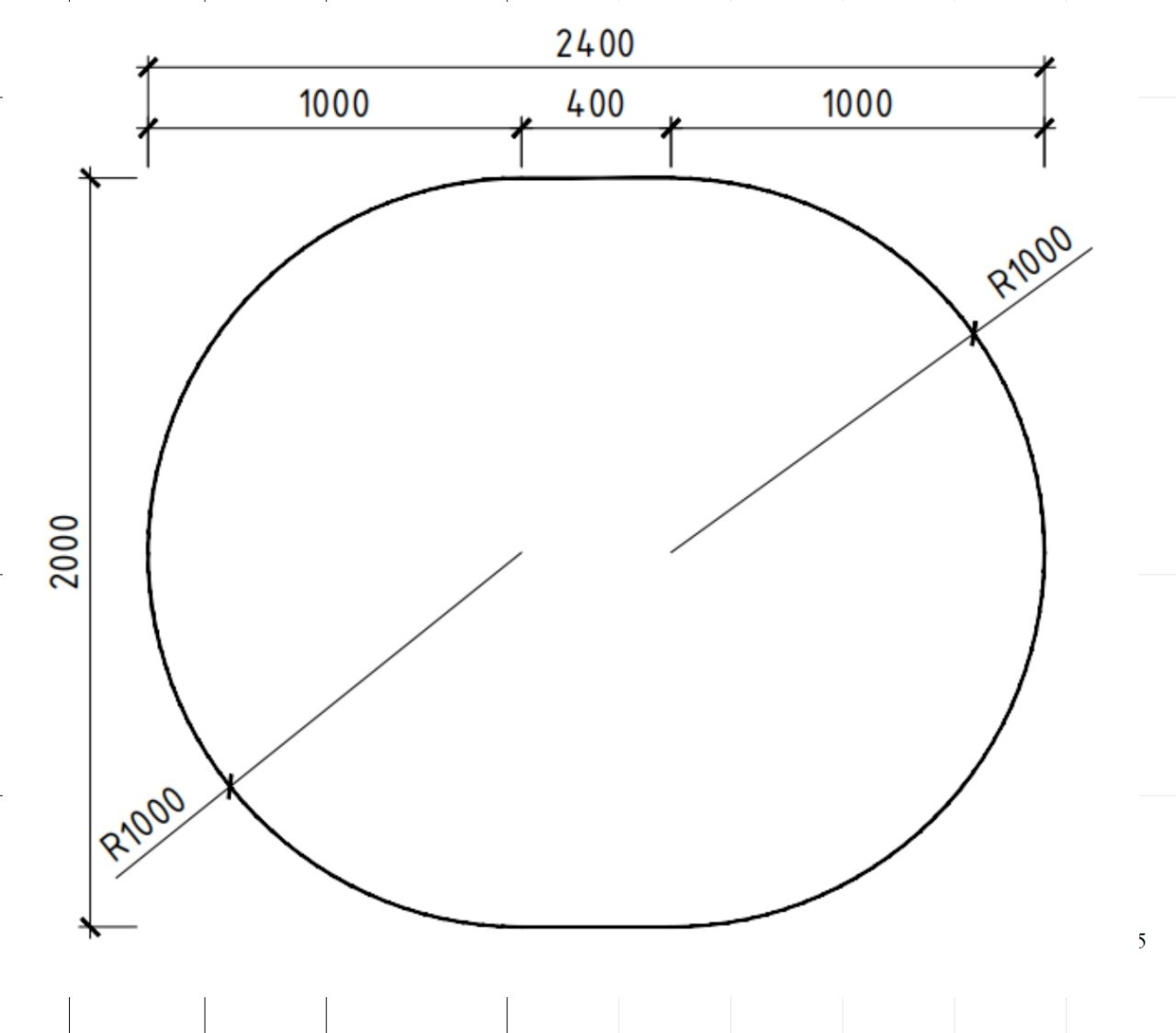
Many buyers focus on length and width, but if the R corner data is incorrect, the finished spa cover may not fit the hot tub edge properly, even if the overall size is close.
Manufacturers also need to confirm:
Hinge position
Skirt length
Strap installation position
Foam core thickness on both sides
Whether there are any special installation conditions.
Especially for export projects, hot tub structures can vary between different countries and regions. Therefore, professional suppliers usually do not produce covers based on a fixed template. Instead, they adjust the design according to the actual application environment.
From a manufacturing perspective, accurate confirmation at the early stage is the most effective way to reduce size-related issues later.
Step 2: Material Preparation and Cutting
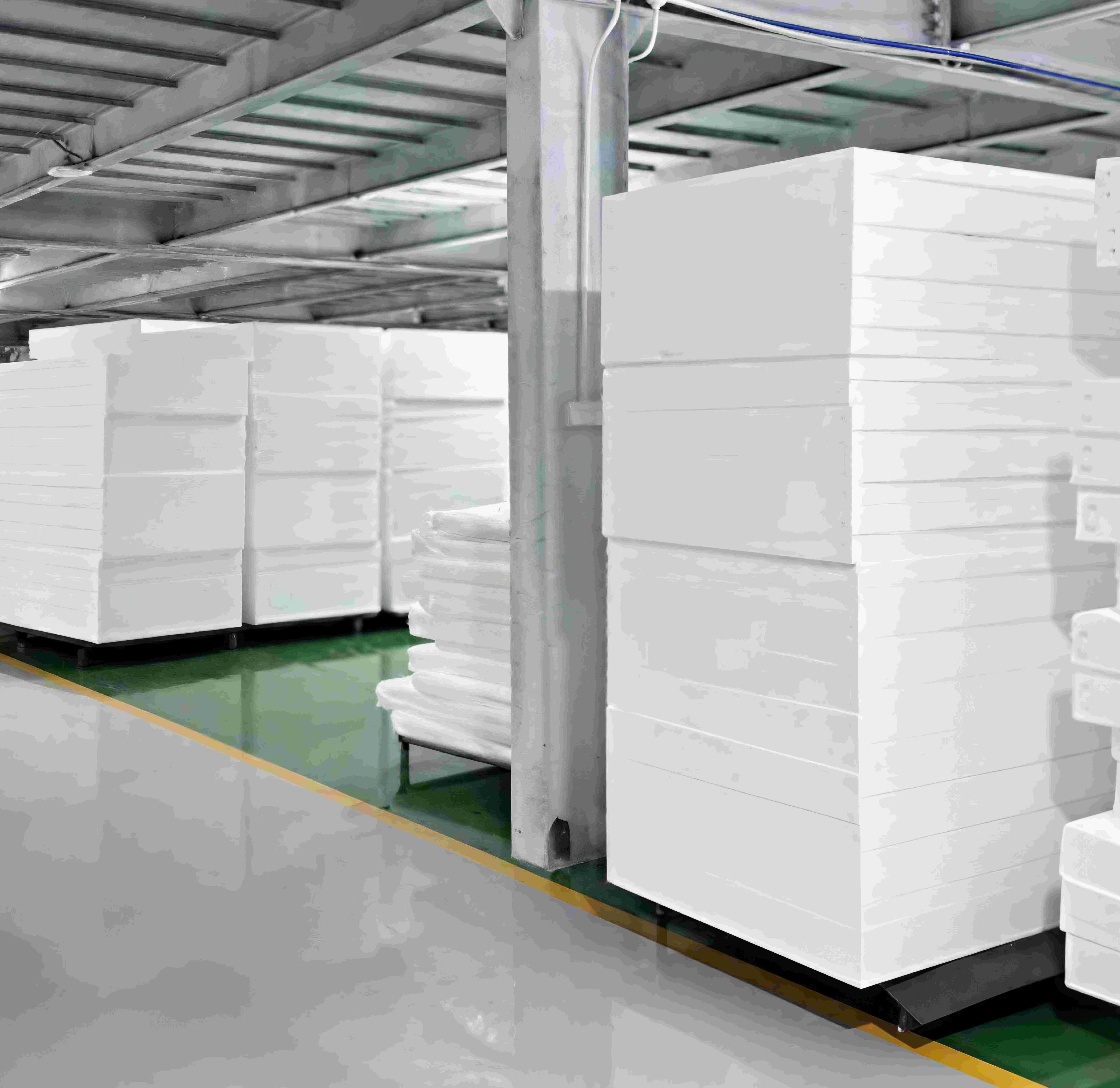
After the drawings are confirmed, manufacturers begin preparing production materials.
The vinyl skin, foam core, and internal reinforcement materials are cut according to the design dimensions.
This process may seem simple, but it directly affects the consistency of the final product.
For example, if the vinyl outer skin is cut with size deviations, it may cause uneven edges during sewing and affect the overall appearance of the cover.
Step 3: EPS Foam Core Processing
The next step is foam core processing.
Many people think the foam core is simply cut into a rectangular board. However, professional spa covers usually require special processing based on the cover design.
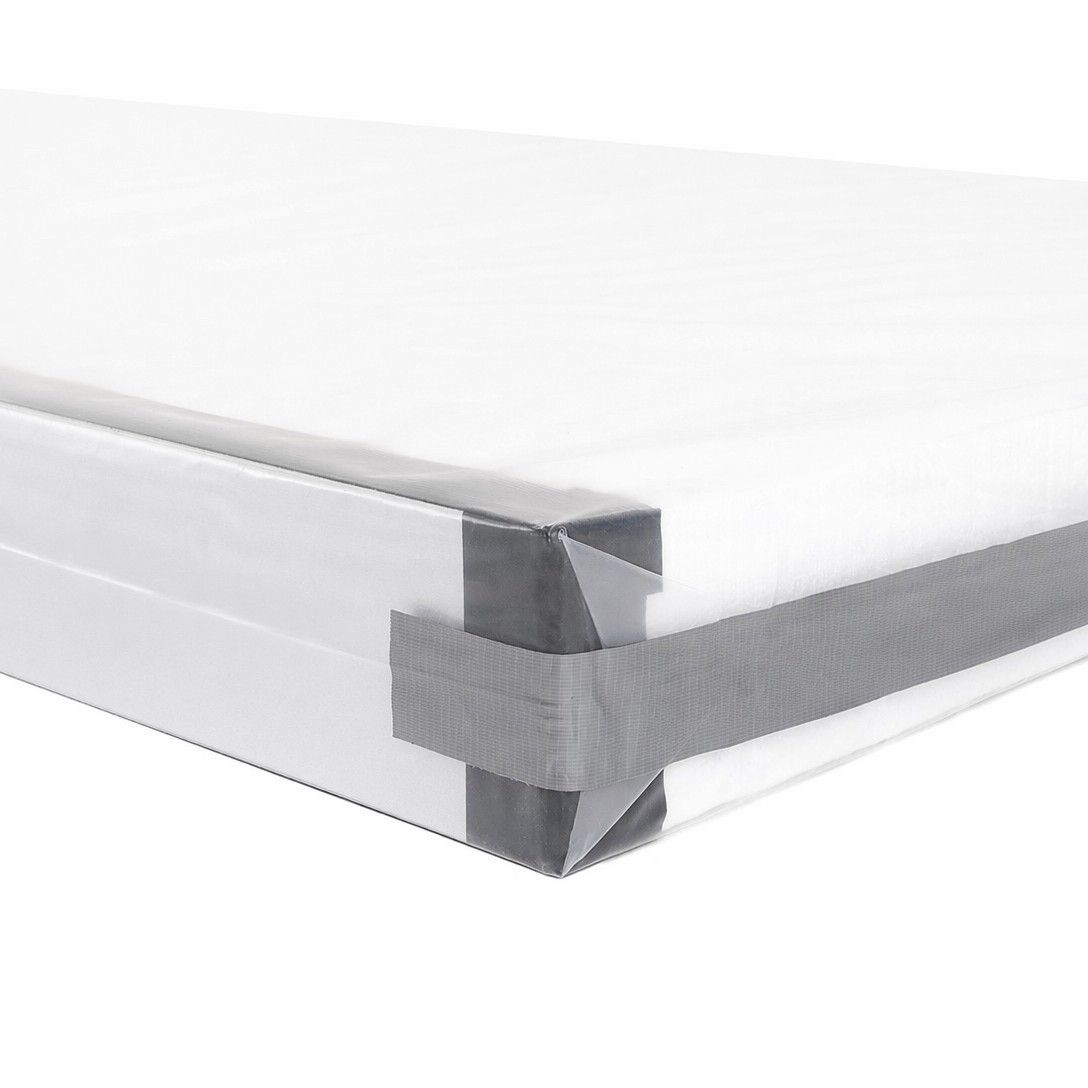
During production, manufacturers typically use professional foam cutting machines to process EPS foam.
A common processing method is hot wire cutting.
This method uses a heated metal wire to cut the foam quickly, keeping the cutting edges smooth while reducing material damage and size errors.
Compared with manual cutting, professional equipment can control cutting angles and thickness based on CAD data, helping maintain more consistent quality between different production batches.
The foam core of a spa cover is usually not a completely flat structure.
To allow rainwater to flow naturally toward the edges and prevent water from collecting on the top, the foam core is usually designed with a tapered structure, with a higher center and lower sides.
During processing, the cutting equipment moves at a preset angle to create a continuous slope on the foam surface.
Step 4: Spa Cover Skin Production
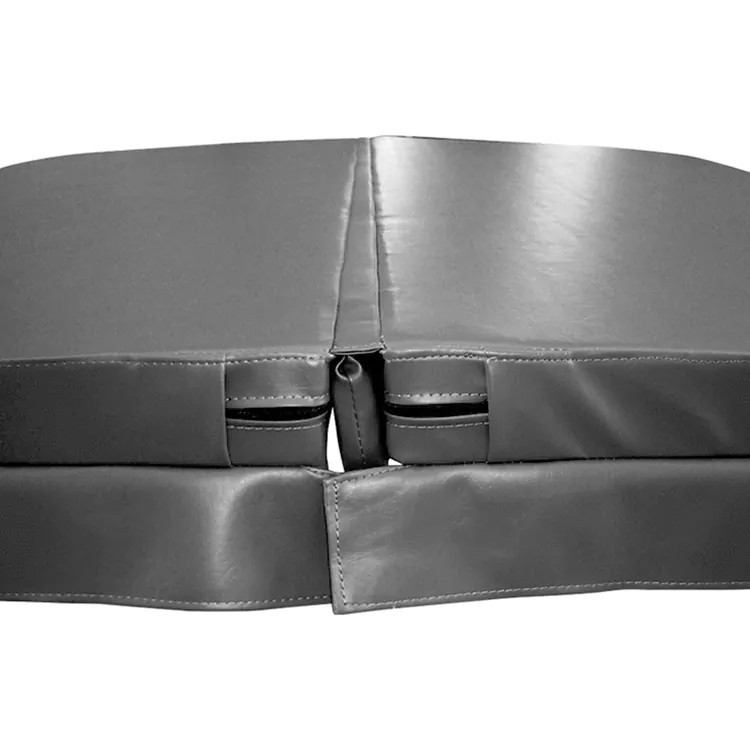
After the internal structure is completed, manufacturers begin producing the spa cover skin.
This process is not simply wrapping vinyl material around the foam.
Professional production usually requires multiple steps of cutting, positioning, and sewing based on the spa cover structure.
Especially in high-stress areas, such as:
Handle positions
Strap connection areas
Center folding areas
Additional reinforcement is usually required.
When users open and close the spa cover every day, these areas experience repeated pulling forces. Without proper reinforcement, long-term use may cause loose stitching, vinyl tearing, or damage to connection areas.
Step 5: Edge Sealing and Final Assembly
After the outer skin and internal structure are combined, manufacturers complete the edge sealing process.
This step is mainly used to secure the internal structure and reduce the possibility of moisture entering the spa cover.
Since spa covers are exposed to outdoor conditions for long periods, moisture protection is very important.
If moisture enters the foam core over time, it can reduce insulation performance and increase the product weight.
Therefore, edge sealing quality is also an important factor for buyers during inspection.
Step 6: Hardware Installation
After the main structure is completed, the product enters the hardware assembly stage.
This step includes installing straps, locks, handles, and other accessories.
Taking spa cover straps as an example, the strap position is not fixed. It needs to be adjusted based on the spa size and load conditions.
If the position is too close to the edge, long-term pulling force may concentrate in one area. If the position is not suitable, it may affect the fixing performance.
The quality of locks also affects the user experience.
In European and North American markets, outdoor temperature changes can be significant. Plastic buckles need to have good weather resistance to avoid becoming brittle in cold conditions or losing performance after long-term sun exposure.
Therefore, although hardware parts are not the main structure of a spa cover, they are also an important part of product quality.
Step 7: Finished Product Inspection
Before packaging, every cover undergoes a structured quality inspection.
Six-point inspection checklist:
Dimensions match order specifications (±5mm for overall, ±2mm for R-corner)
R-corner fit verified against template or CAD reference
Foam structure stable; no loose particles or void areas
Straps and locks securely installed; pull-tested to 50 lbs
PVC surface free of scratches, scuffs, or discoloration
Packaging suitable for long-distance transportation (reinforced carton, moisture barrier for ocean freight)
For export orders, an additional pre-shipment inspection (PSI) following ANSI/ASQC Z1.4 sampling standards is recommended for batches exceeding 100 units.
SPA Cover Manufacturing FAQ
1. Can spa covers be customized based on customer drawings?
Yes. Manufacturers can customize spa covers based on CAD drawings, size details, or old cover samples.
For special shapes, R corners, dimensions, and installation methods need to be confirmed in advance.
2. Why do spa cover prices vary between suppliers?
Price differences usually come from materials and production processes, such as vinyl skin thickness, foam density, reinforcement structure, and sewing methods.
3. How long does spa cover production usually take?
It depends on order quantity, product structure, and customization requirements.
Standard sizes are usually faster, while custom projects need more time for confirmation.
Hydrorelax Final Thoughts
For bulk buyers, understanding the spa cover manufacturing process helps you evaluate product quality, production standards, and supplier capabilities.
Before starting your next project, confirm these key details:
Cover dimensions (including R-corner measurements)
Installation environment (exposed, under-deck, gazebo-covered)
Local climate conditions (annual temperature range, snowfall, UV index)
End-user expectations (warranty period, expected lifespan)
Target-market certification requirements
[Contact Hydrorelax today] to discuss your spa cover manufacturing project. We provide free dimension verification, material consultation, and sample evaluation for qualified inquiries.
Recommended Products
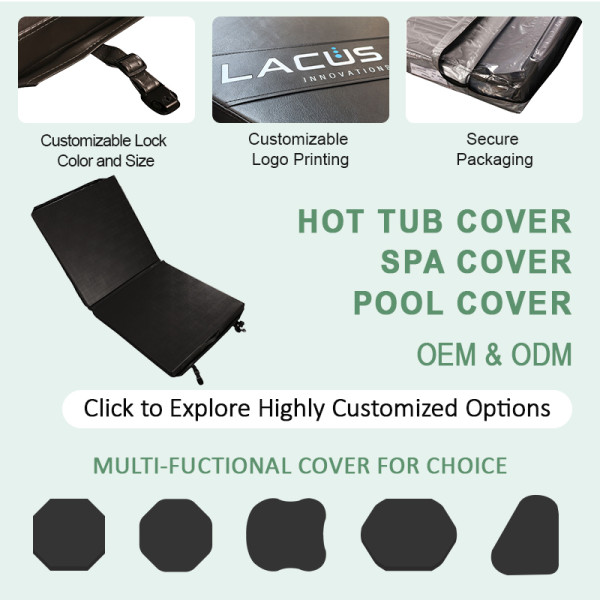
Hydrorelax specializes in OEM/ODM spa covers for bulk orders, customizing logo, color, shape, size, locks, styles, and packaging.
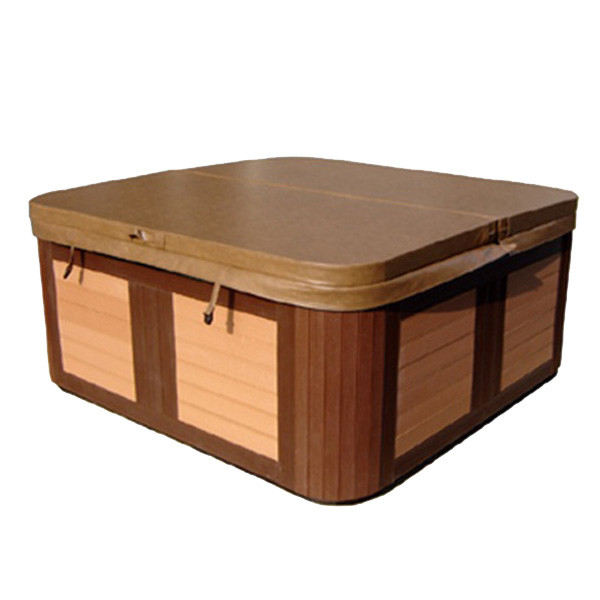
2000X2000X(100X70)mm
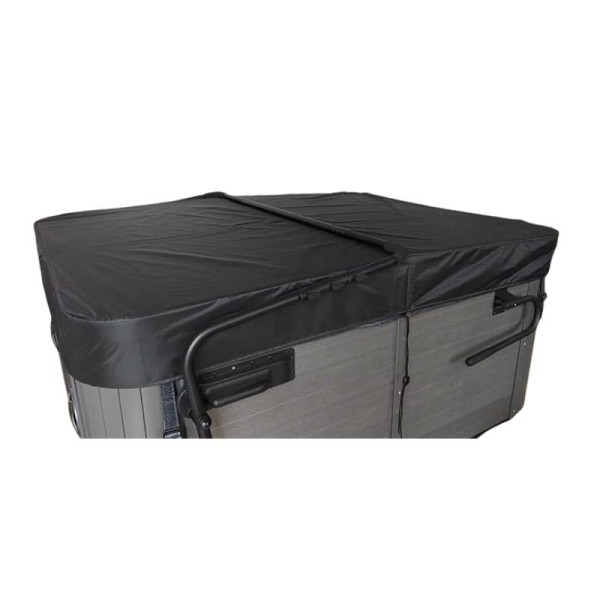
225 x 225cm x 25cm
spa cover cap
waterproof oxfordfabric , UV-resistant