How to Buy and Install a Spa Heater Assembly
- Share
- Issue Time
- Apr 3,2026
Summary
This guide covers spa heater assembly parts, selection based on voltage/kW, installation tips, and common issues to ensure safe and compatible replacement.
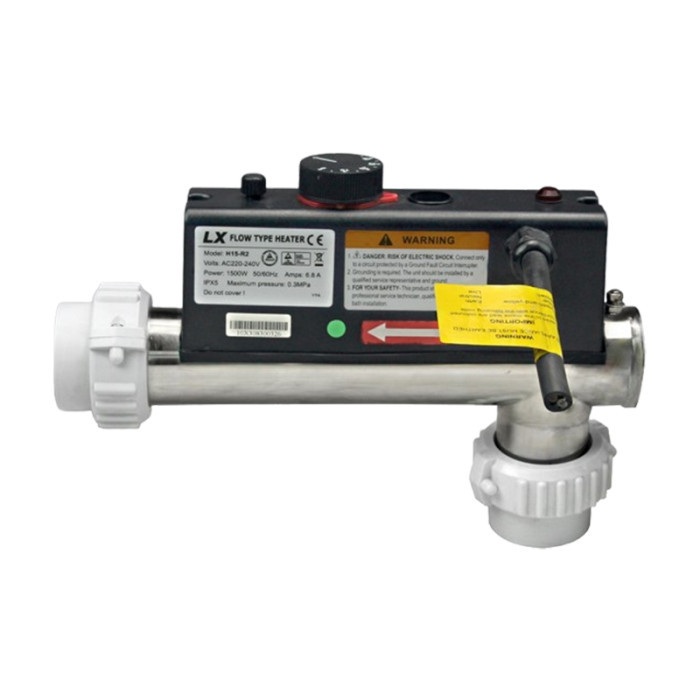
Today, we're diving into the key parts of a spa heater, how they work, and what to watch for when choosing and installing one. Our goal is to give you practical tips to make the right choice and avoid common headaches.
Spa Heater Components
A complete spa heater assembly usually includes several key parts:
Heater Element
High Limit Switch
Temperature Sensor
Pressure Switch
Flow Switch
Copper Connectors or Heating Plate Terminals
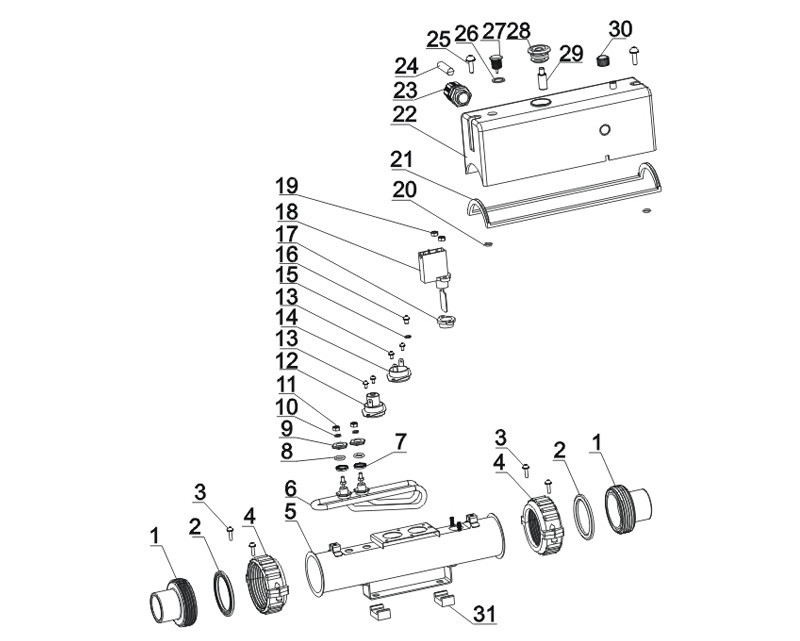
1. Heater Element (#6)
The heater element is the core of the system. When powered, it converts electricity into heat and transfers it to the water flowing through the heating chamber via a stainless steel or titanium housing.
Common specs include:
Power range: 3–6 kW (230–240 V systems)
Voltage: 120 V or 230–240 V
Common structure: Threaded installation
2. Sensor System
Sensors on the heater monitor water flow and temperature.
Most systems use two sensors:
Main water temperature sensor
High limit protection sensor
This dual-sensor setup allows precise temperature control and triggers protection if the water overheats.
3. Gaskets, o
rings, split nuts, and straps (#8,#11,#15,#19,#20)
Sealing and electrical connection parts that ensure leak
free plumbing and proper power feed to the heater.
4. High Limit Switch
The high limit switch prevents water from overheating. If the water temperature exceeds a safe limit (usually 48–50°C), the system cuts power automatically. This protects the heater and prevents dry burning. It's one of the most important safety features.
5. Pressure Switch and Flow Switch (#18)
The pressure switch ensures there is enough water pressure in the pipes. It only allows the heater to power on when the pump is running and water is flowing.
The flow switch monitors water flow more precisely. If the flow is too low or blocked, it cuts power immediately.
The core rule is simple: no water flow, no heating. This is the basic safety principle for every proper spa heater.
How to Tell if Your Spa Heater Fits
How to Tell if Your Spa Heater Fits
When checking if a spa heater is compatible, look at these key points:
Voltage Compatibility
Power Rating (kW)
Manifold Size / Connection Fit
Control Pack Compatibility
Sensor Interface Type
You also need to make sure the control system brand and signal logic match. Different control systems expect different sensor resistance. Replacing a heater without checking can cause error codes or prevent heating altogether.
How to Choose Right kW and Voltage for Spa Heater?
You match heater kW and voltage to the spa's design and your electrical supply,you don't pick them freely like a kettle size. Always confirm specs in the spa manual or rating plate.
1. Voltage: 120 V vs 230–240 V
You must use the voltage the control pack and pumps are designed for; running a 120 V spa on 240 V (or vice versa) can destroy equipment and is unsafe.
120 V (plug‑and‑play) spas: simpler install, slower heating, usually smaller heaters (about 1–1.5 kW) and limited ability to run jets and heater together.
230–240 V spas: require an electrician and dedicated circuit, but give faster heating, better ability to maintain temperature in cold weather, and can run heater plus jets and extras at the same time.
2. Typical heater kW by voltage
120 V spas: commonly around 1.0–1.5 kW; this is about the maximum practical heater size at that voltage on standard household current.
230–240 V spas: often 4–6 kW heaters, which provide far higher heat output, so water heats faster and recovers temperature more quickly after use.
3. Practical Selection Logic
In real projects, the heater power you choose depends on:
Water volume
Climate (colder regions need higher power)
Frequency of use
Electrical supply capacity
Rated output of the control system
The core rule is simple: bigger water, colder environment, more frequent use, means you need higher power and more stable heating.
Common Problems with Low-Quality Spa Heaters
Here are issues you often see with cheap or low-quality heaters:
| Problem | What You'll Notice in Use |
| Thin heater tube walls | Slow heating, can warp or burn through over time |
| Uneven welding | Water leaks or internal stress points, higher leak risk |
| Fast-aging seals | Leaks appear quickly, frequent maintenance needed |
Low-precision sensors | Frequent error codes, unstable temperature control |
Poor overall materials & construction | Short lifespan, higher after-sales issues |
Spa Heater Installation and Replacement Tips
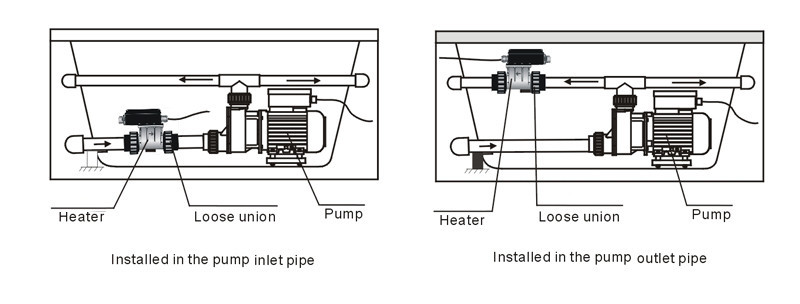
1. Avoid Dry Firing
Always make sure the system is completely filled with water and air is fully purged before installation. Dry firing is the most common cause of heater element failure.
2. Heater Element Material
Heater elements often have a ceramic insulation structure inside. Do not over-tighten the nuts during installation. Too much force can damage the internal structure and shorten the lifespan.
3. Check the Seals
Always replace seals when changing the heater to prevent leaks.
4. Power Off Before Work
Turn off all power before installing or servicing the heater.
5. Verify Water Flow
After installation, start the pump first to confirm normal water flow, then turn on the heating function.
Spa Heater FAQ
1. Can I replace a spa heater with any model?
No. You must match the voltage, power, connection size, and control system.
2. Why does my heater keep tripping?
Common causes include low water flow, sensor issues, loose wiring, or aging components.
3. Is titanium always better than stainless steel?
Titanium resists corrosion better, but it costs more. The choice depends on water quality and environment.
4. How often should a spa heater be replaced?
Typically every 3–5 years, depending on water quality and maintenance.
5. Is Hydrorelax a factory?
Yes. Hydrorelax is an integrated manufacturing and trading company specializing in spa parts and systems. With solid factory support and years of experience, we supply heating systems, water treatment solutions, and complete spa assemblies to global clients.
Hydrorelax Final Words
In a hot tub system, the heater is more than just a heat source. It's a key component that works together with the safety system, temperature controls, and water circulation.
Understanding the heater's structure, choosing the right model, and following proper installation procedures is far more important than just chasing the lowest price.
If you're developing, replacing, or upgrading a spa heating system, contact the Hydrorelax team.
We can help you find hot tub solutions that are safer, more stable, and better suited to market needs.