IS EVERY SALE A LOSS ? Spa Cover AFTER-SALES TRUTH ,LIFESPAN & COST CONTROL
- Share
- Issue Time
- May 15,2026
Summary
Let's say you sell a Spa Cover to a customer, making a profit of €200.A year later, the customer rang up: 'The center of the lid has caved in, and it's incredibly heavy—it's a struggle even for two people to lift. This is a quality issue; please replace my Spa Cover with a new one.'
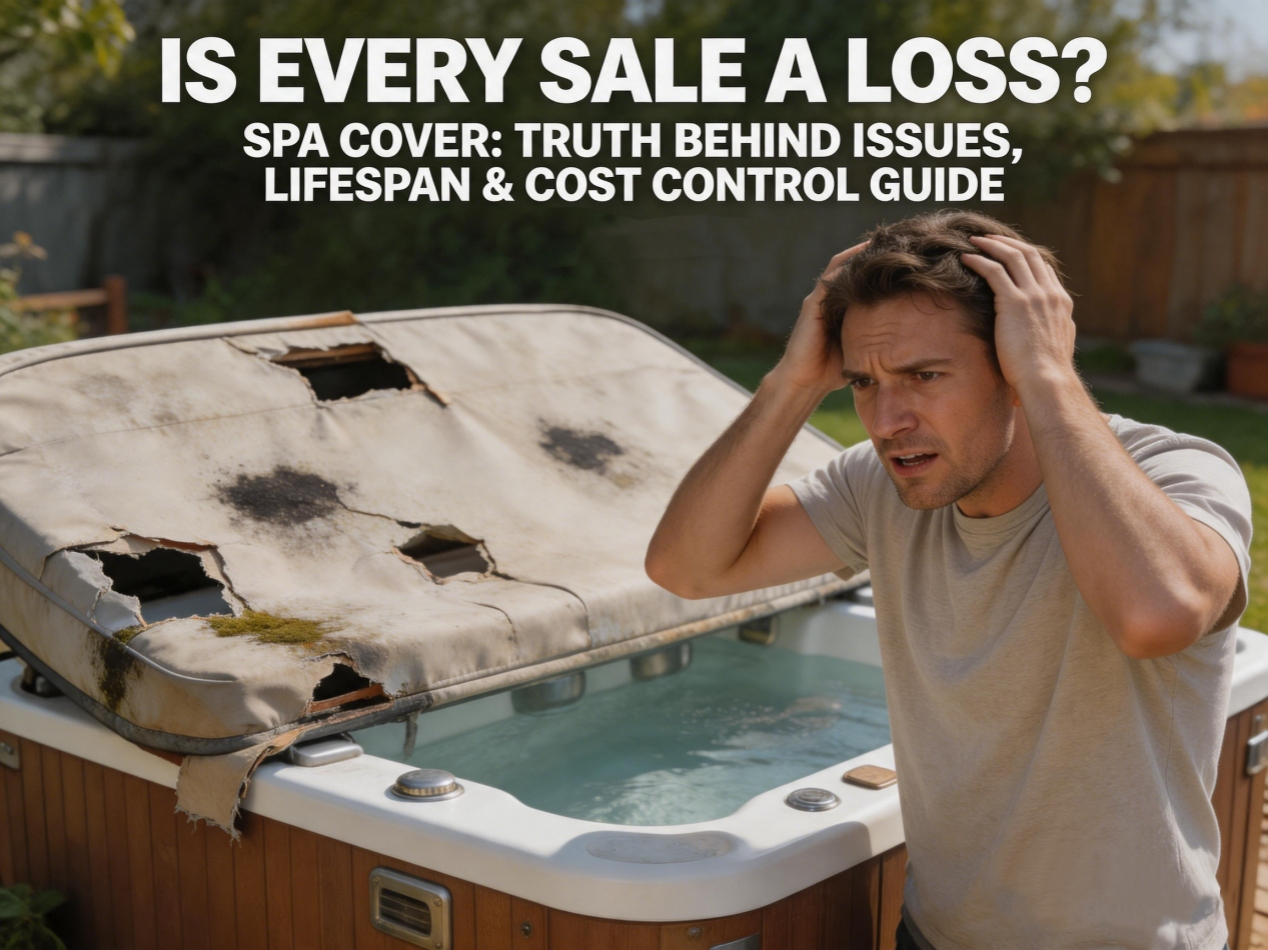
Let's say you sell a Spa Cover to a customer, making a profit of €200. A year later, the customer rang up: 'The center of the lid has caved in, and it's incredibly heavy—it's a struggle even for two people to lift. This is a quality issue; please replace my Spa Cover with a new one.' You replaced the Spa Cover, and the total cost—including the product, delivery and labour—came to €300. All things considered, you actually lost €100 on this job.
The question is: is this lid really of substandard quality? Or did the customer make a critical mistake whilst using it?
If you cannot identify the true cause, after-sales costs will always be a bottomless pit.
This article examines the actual interests of ODM/OEM buyers, analyzing the true lifespan of Spa Covers, the key factors leading to failure, and how to minimize after-sales costs through both product selection and maintenance.
Common After-sales Problems with Spa Covers
Based on industry experience, the typical lifespan of a Spa Cover is approximately 4 to 7 years; however, the actual lifespan may vary depending on product quality, climatic conditions and usage habits. In actual after-sales service, the following instances of premature failure are frequently encountered:
Waterlogged and Heavy
Customers report that the cover becomes difficult to open and transport. This is usually caused by moisture barrier failure, allowing the foam core to absorb water and significantly reducing thermal insulation. Once the foam core becomes waterlogged, its insulating properties weaken, posing potential safety risks.
Cracked or Brittle Surface
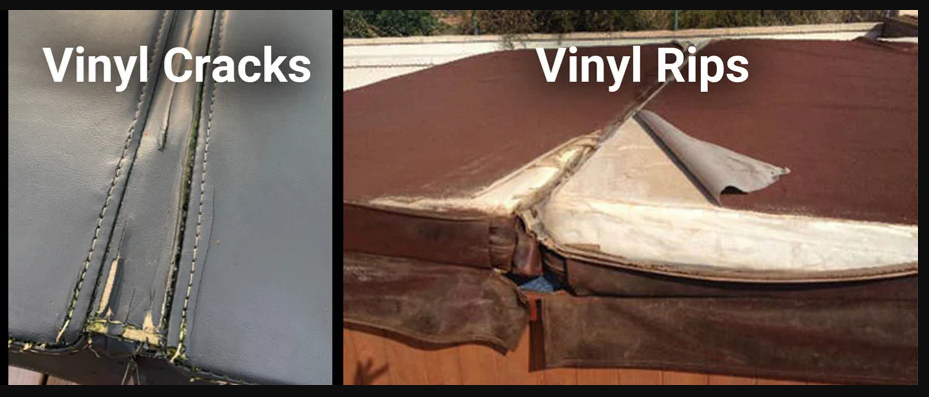
Cracks, holes, or hardening and peeling of the cover material indicate that the waterproof and UV-resistant layers have failed. Water can penetrate the interior, accelerating structural deterioration and compromising the cover's durability.
Deformation or Sagging
Sagging in the center, surface bulging, warped edges, or poor fitting to the spa shell signal failure of the internal support structure. This directly impacts thermal insulation and the cover's sealing effectiveness.
Severe Fading, Mold, or Odor
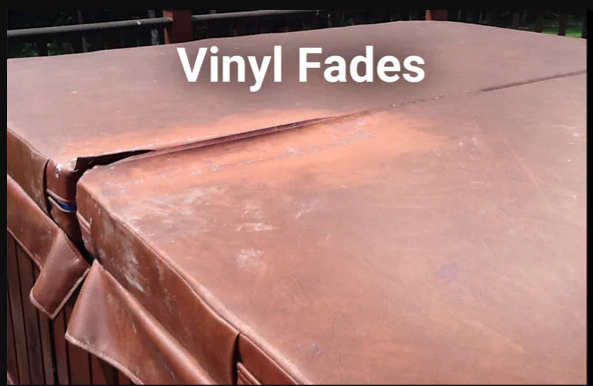
Discoloration, black mold spots, or damp odors indicate material aging. These issues not only reduce the Spa Cover's visual appeal but may also pose health hazards.
Even if the period is less than 4 years, it is necessary to promptly advise the customer to replace the product.
Core Factors Affecting Spa Cover Lifespan
The actual lifespan depends primarily on product quality, climatic conditions and the customer's daily usage habits.
Product Quality Differences
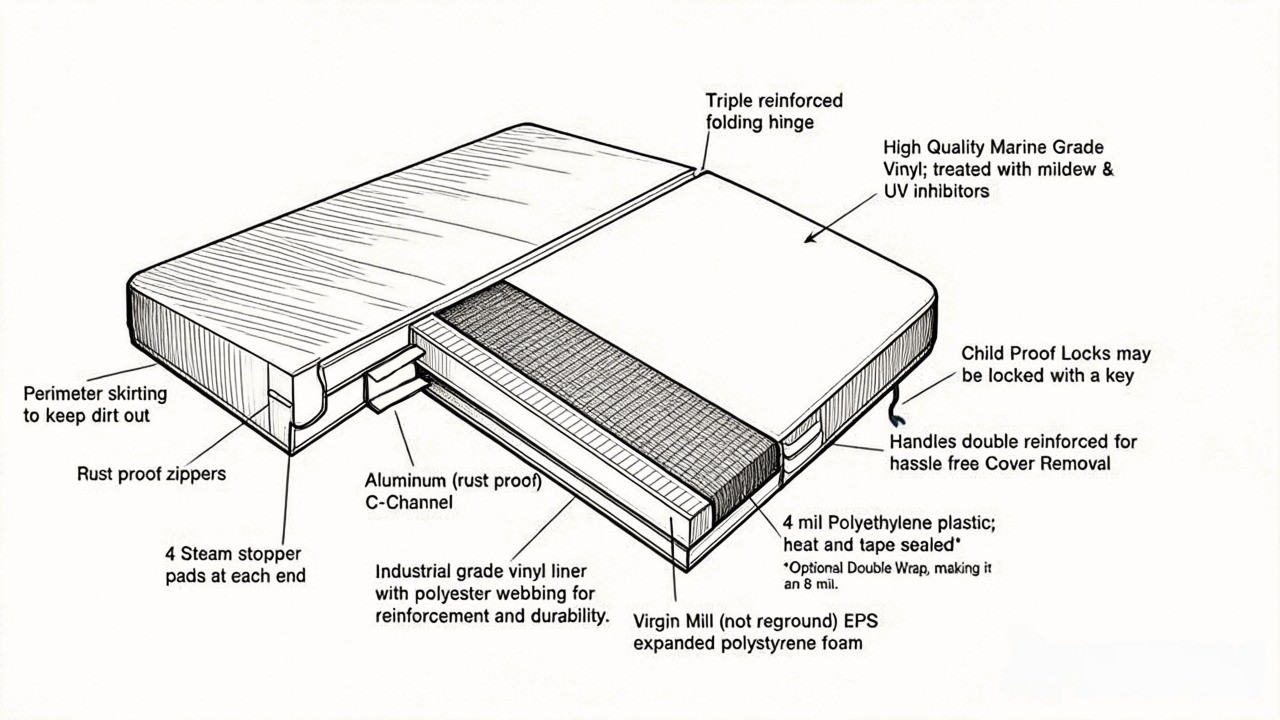
The inherent quality and construction of a Spa Cover determine its baseline lifespan. A typical Spa Cover consists of a foam core, an outer vinyl layer, and reinforcing structures. Variations in materials and manufacturing processes directly affect durability, thermal insulation performance, and aging resistance.
(1) Foam Density and Core Quality
The density of the foam core dictates the Spa Cover's compressive strength. High-quality Spa Covers usually use high-density closed-cell foam, often sealed with a heat-bonded thermoplastic film to minimize moisture penetration. Common foam density specifications include:
| Foam Density | Weight Rating | Recommended Use |
| 1.0 lb/ft³ | 190 lbs (~86 kg) | Basic model, indoor use |
| 1.5 lb/ft³ | 270 lbs (~122 kg) | Standard model, best value |
| 2.0 lb/ft³ | 370 lbs (~168 kg) | Cold climates / Snowy regions |
For ODM/OEM buyers, it is essential to focus on foam density specifications, whether closed-cell foam is used, the core encapsulation process, and whether the Spa Cover features a fully sealed moisture barrier during procurement.
(2) Vinyl Material Performance Differences
The vinyl material determines the Spa Cover's appearance and weather resistance. High-quality vinyl often includes UV stabilizers, mold-resistant treatments, cold-resistant formulas, and reinforced top layers to withstand sun exposure, mold growth, rain and snow, and temperature fluctuations.
(3) Aluminum Channel & Hinges
A built-in aluminum channel provides structural support to prevent deformation, while hinges improve ease of use. Premium Spa Covers typically feature a full aluminum frame that runs through the entire cover, often with a center hinge for added convenience. Lower-end models may only have surface-mounted aluminum or no internal support, with hinges limited to the sides.
Climate and Environmental Exposure
UV Damage: Prolonged exposure to ultraviolet (UV) rays can cause the Spa Cover surface to fade, harden, or crack. In regions with high sun exposure, the aging process of Spa Covers accelerates, reducing both appearance and functional lifespan.
Extreme Weather: Heavy rain, snow, and extreme temperatures can cause water accumulation, leading to deformation of the cover. High-humidity environments increase the risk of mold growth, internal moisture buildup, foam absorption, and corrosion of metal components, all of which compromise the cover's durability and insulation performance.
Improper Daily Usage by Customers
Even high-quality Spa Covers can have their lifespan shortened by incorrect use.
1. Chemical Vapors Accelerating Internal Aging
Closing the Spa Cover immediately after adding chemicals such as chlorine or bromine can trap chemical vapors inside at high temperatures. Over time, this accelerates foam aging, corrosion of internal layers, and seal degradation, causing the material to become brittle and less durable.
2. Neglect in Cleaning Leading to Deformation and Damage
Accumulation of leaves, standing water, or debris on the cover over time increases localized pressure, causing sagging, structural deformation, mold growth, and stitching deterioration, all of which reduce the cover's lifespan and functionality.
How to Minimize Spa Cover After-Sales Problems
For ODM/OEM clients, guiding end-users on proper Spa Cover maintenance can significantly enhance brand reputation and after-sales satisfaction.
Choose the Right Spa Cover for Your Target Market
When selecting Spa Covers, it is important to consider the climate and conditions of your target customers. For markets prone to heavy rain or snow, investing in higher-quality Spa Covers is recommended. Although the initial cost may be higher, it can significantly reduce replacement frequency and after-sales costs over time. Consider the numbers: spending 20% more on procurement could potentially cut after-sales claims by up to 60%.
Conversely, if your target market experiences mild weather, choosing standard-quality Spa Covers may be sufficient, helping you reduce procurement costs without compromising customer satisfaction.
Add Extra Protective Layers
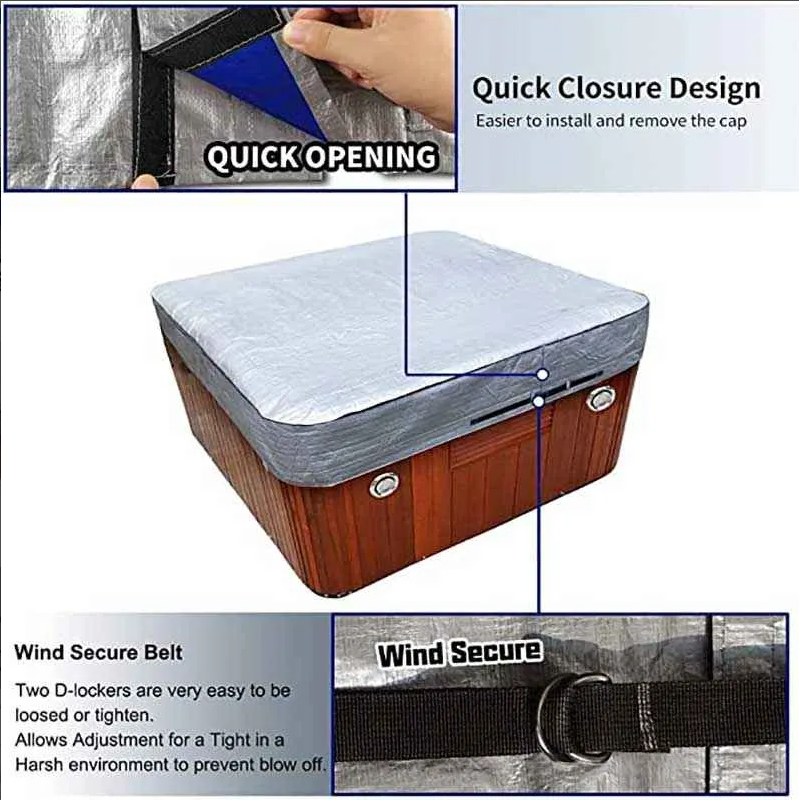
For target markets that frequently experience extreme weather, consider adding additional protective layers to Spa Covers, such as waterproof fabrics, outdoor protective covers, or reinforced plywood layers. These measures help reduce UV exposure, rain and snow damage, and pressure from heavy objects, thereby extending the lifespan of the Spa Cover.
Hydrorelax offers dedicated Spa Cover protective covers made from thick, UV-resistant materials with excellent waterproof performance. If your target market experiences high sun exposure or frequent rainfall, offering these protective covers as an accessory can increase average order value while reducing after-sales issues. For specific models and pricing, please contact our sales team for details.
Provide Customer Training and Clarify Responsibility
When delivering Spa Covers, provide customers with clear usage and maintenance guidelines, and clearly state in the warranty terms that damages caused by improper use (e.g., chemical vapor corrosion) are not covered under free warranty. By offering structured training and clear instructions, you can reduce after-sales disputes, extend the actual lifespan of the product, and enhance customer satisfaction.
Conclusion
After-sales issues with Spa Covers are not always due to product quality. More often, they stem from oversights in product selection or improper usage by end customers, which can become a true “Cost Black Hole.” For ODM and OEM buyers, controlling after-sales costs is actually quite simple:
At the product selection stage: choose the right Spa Cover for your target market.
At the customer stage: provide a manual that teaches proper product usage, with a few clear rules that define responsibility boundaries.
By addressing these two aspects—and combining them with proper protective measures—you can avoid the “Selling At A Loss” scenario.
Hydrorelax is ready to support you on both fronts: providing high-quality Spa Covers and offering tools to plug potential after-sales gaps. We are currently preparing a user maintenance manual that will directly help your customers extend product lifespan and reduce your after-sales burdens.
About Hydrorelax
Hydrorelax is a professional manufacturer specializing in Spa Covers, hot tub accessories, and outdoor spa solutions, offering both ODM and OEM customization services. We are committed to providing global customers with durable, high-performance, and customizable spa products through consistent material quality, flexible customization capabilities, and strict quality management.
For technical consultation or custom product solutions, please feel free to contact us.