Residential Shower Hardware Procurement Guide: Remodeling Selection Recommendations
- Share
- Issue Time
- Aug 27,2026
Summary
Shower hardware has one of the highest rework rates in a bathroom renovation. This guide works backward from the construction timeline to show which specifications must be confirmed at each stage, covering rollers, hinges, handles, overhead showers, drains, mixer valves, slide bars and seals.
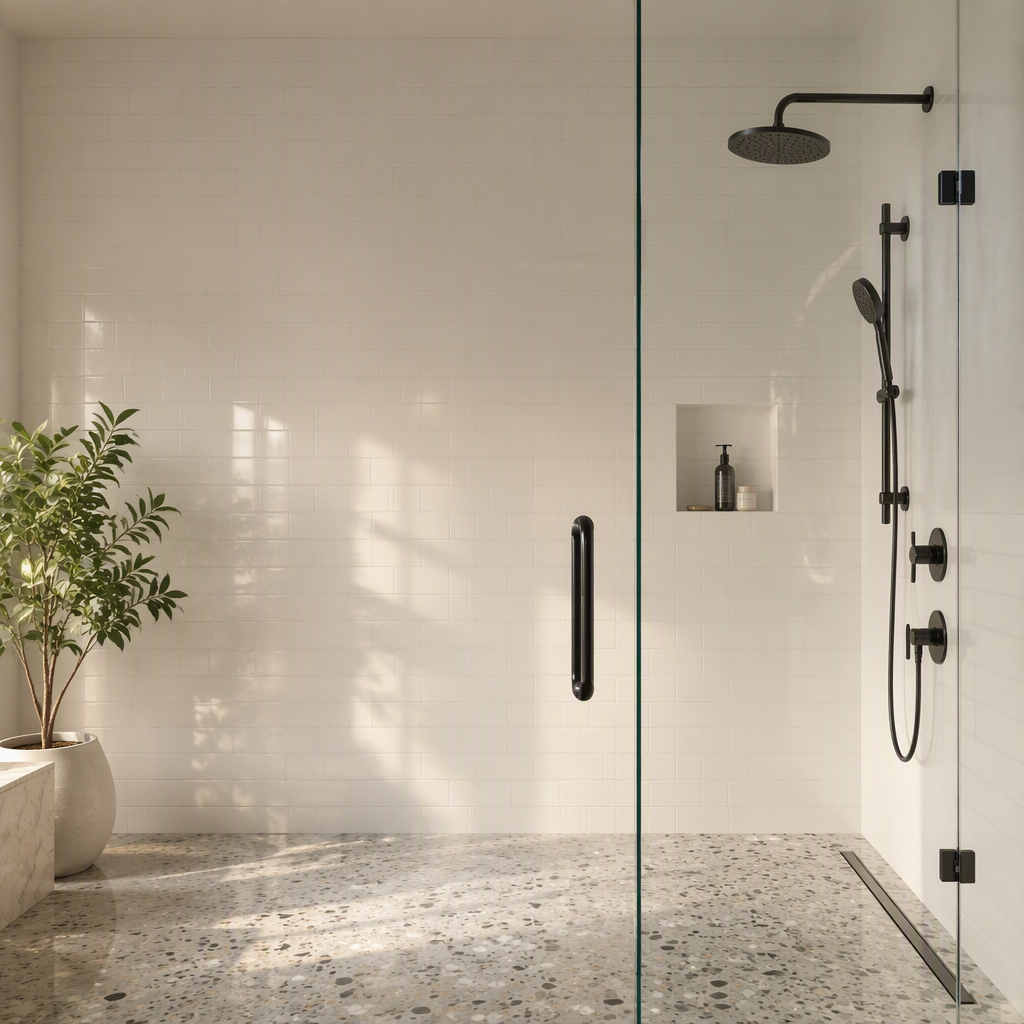
Shower hardware accounts for a relatively small portion of a home renovation budget, but it has one of the highest rework rates after installation. Sliding shower doors operating poorly, hinges installed with the wrong opening direction, overhead shower outlets positioned incorrectly — these issues involve wall drilling, glass dimensions, and pre-installed plumbing lines. Once installation is completed, modification costs can be significantly higher than the cost of the hardware itself.
This article works backward from the construction timeline to analyze the decision point and key selection parameters for each product category, helping you confirm all essential product specifications before construction begins.
Construction Milestones: What Must Be Confirmed at Each Stage?
A common reason for procurement mistakes in residential shower hardware is making decisions at the wrong stage. Different hardware categories require confirmation at different points during the construction process:
| Construction Stage | Must Be Confirmed |
|---|---|
| Before Construction (Drawing Confirmation) | Door opening direction, hinge opening direction and angle, glass thickness and roller diameter, overhead shower installation method and diameter, drainage interface specifications, wall reinforcement position for slide bar installation, handle hole spacing |
| Plumbing Pre-Installation | Mixer valve outlet height, slide bar installation height, thermostatic function selection |
| Before Final Order | Compare finish samples of all metal hardware components together and place the final order only after confirming there are no visible finish differences |
Following this sequence minimizes the risk of facing problems after installation has already been completed. Although handle hole spacing is initially confirmed during the drawing stage, a final verification with the glass manufacturer is still required before placing the order. It is therefore listed under the pre-construction stage in the table, while the actual final confirmation point should be based on the glass manufacturer's cutting process.
Drawing Confirmation Stage: Why Is This the Most Critical Decision Window?
Because once the drawings are finalized, every subsequent trade follows the approved plans, and any modification may require redrawing documents and coordinating with multiple parties again. Glass thickness, door configuration, and water outlet height must all be finalized during this stage.
Sliding Shower Enclosures: Shower Door Rollers
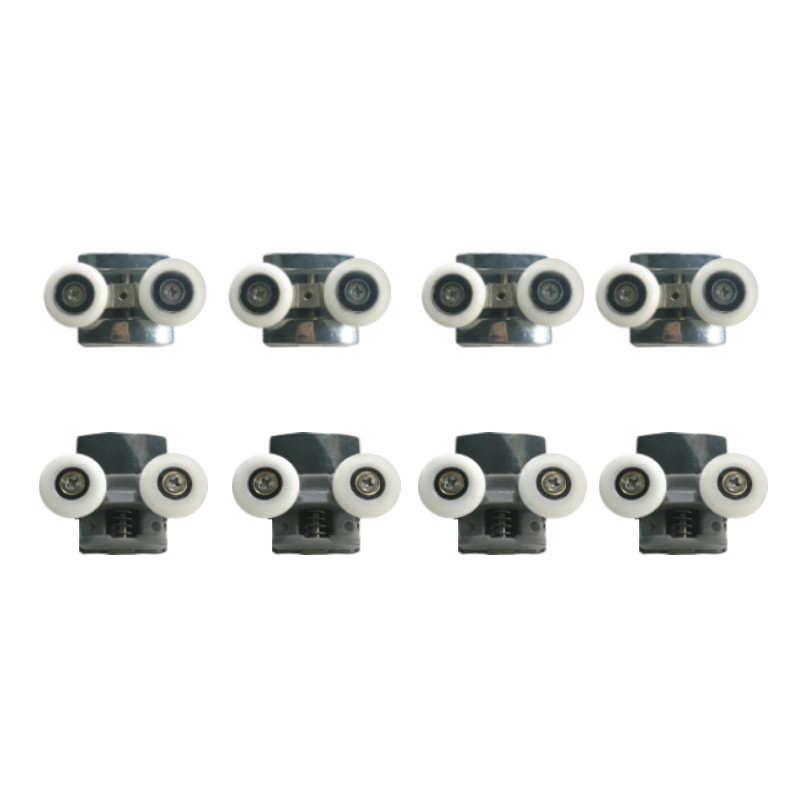
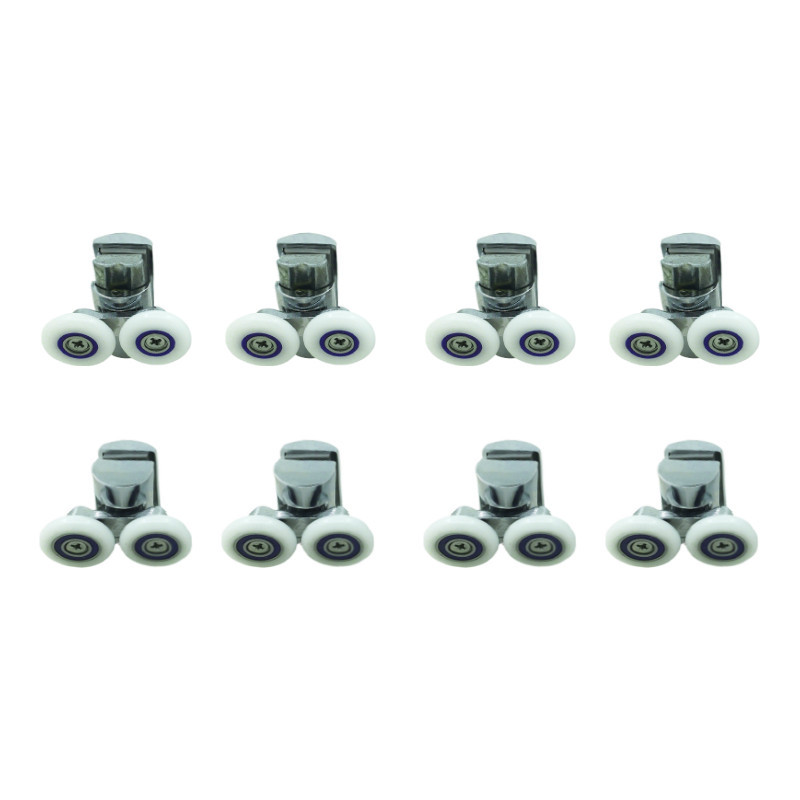
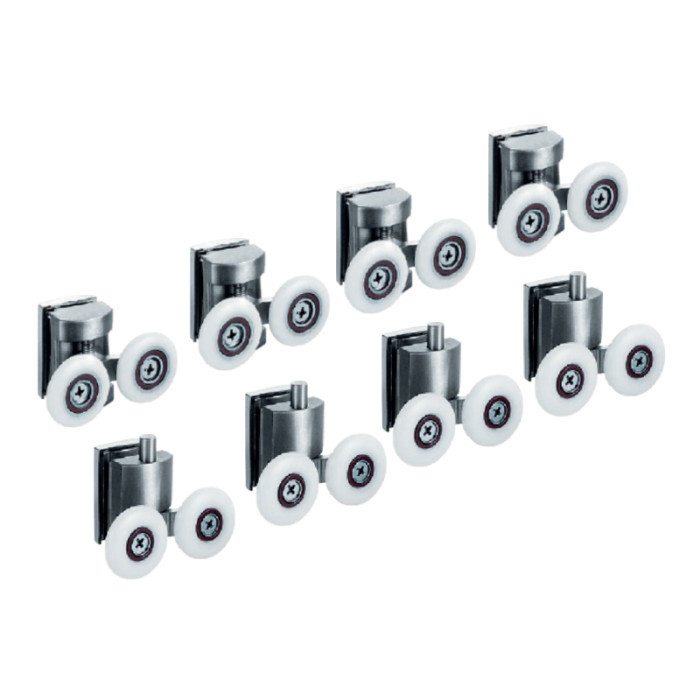
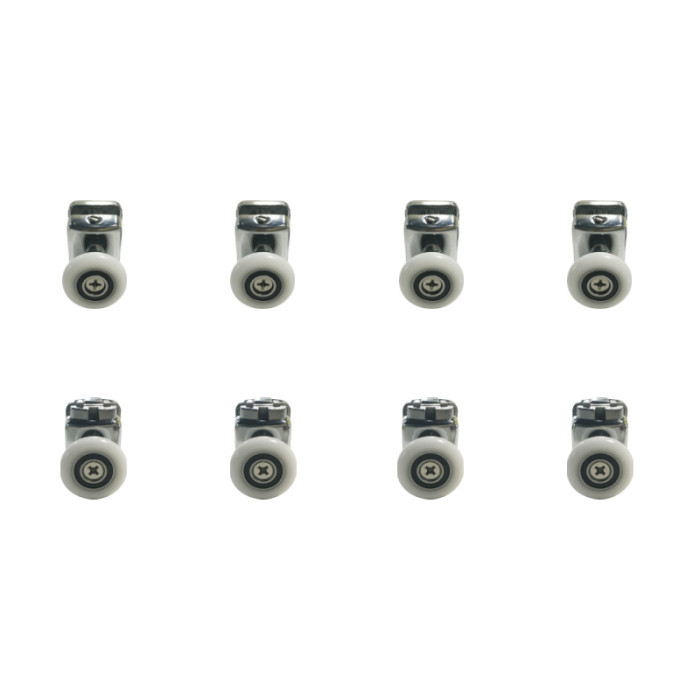
The key consideration for shower door rollers is the match between roller diameter and track groove dimensions. Track groove sizes are not standardized across different brands. If the roller diameter is too large, the roller cannot be installed properly. If it is too small, the glass panel may wobble inside the track, eventually causing damage to the track and glass edges over time.
Glass thickness should be confirmed during the drawing stage, and the roller diameter determined accordingly. Before procurement, confirm the track groove width with the glass door or track supplier. On materials, chrome-plated zinc alloy rollers offer good appearance and sufficient durability; 304 stainless steel rollers provide a higher-quality feel; plastic rollers suit projects with limited budgets. The most important factor remains selecting the correct roller diameter. For common roller failures and how to address them, see our earlier practical guide to shower room pulleys.
Swing Shower Enclosures: Shower Door Hinges
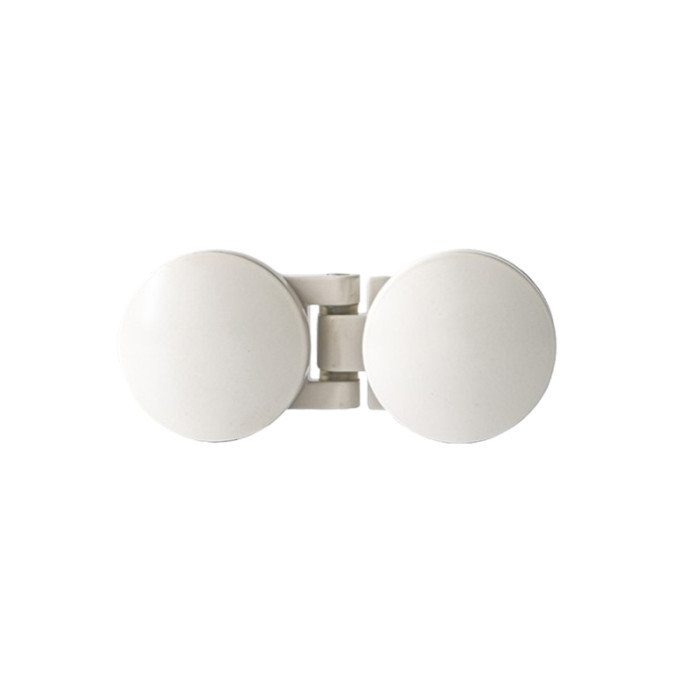
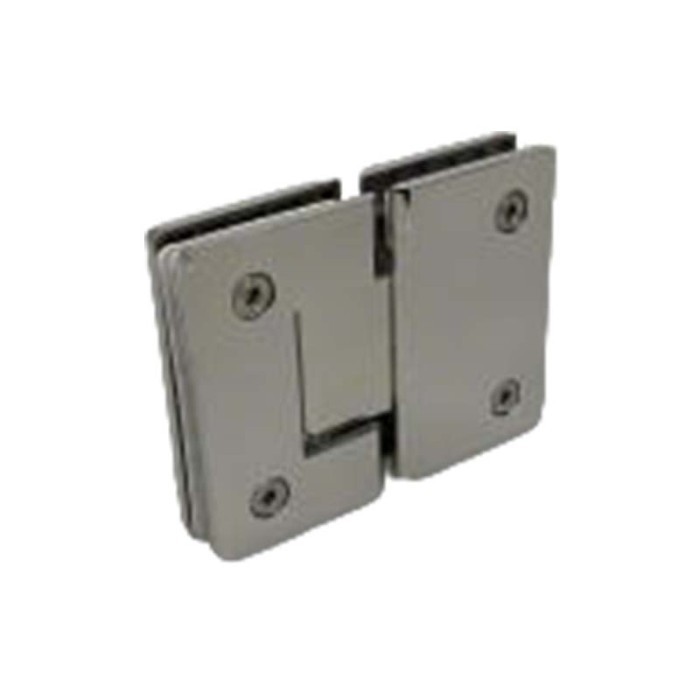
Shower door hinges determine the glass dimensions and drilling positions, so three factors must be confirmed first.
1. Opening direction. Whether the door opens inward or outward determines the shower entrance orientation and the bathroom traffic flow. Choosing the wrong direction may result in the door hitting users or blocking the passage after installation.
2. Opening angle. For compact shower spaces, 90° hinges can be selected, but the door swing clearance after fully opening must be confirmed in advance. If the door interferes with the toilet or vanity, it may cause minor collisions or, in severe cases, require replacement of the entire glass panel. For bathrooms with sufficient space, 135° or 180° hinges provide a more natural entry and exit experience.
3. Finish color. This should be considered last. White hinges suit Nordic-style or modern minimalist designs, rose gold hinges suit light luxury or French-inspired styles, and chrome hinges are the easiest to match with most bathroom fixtures. For a fuller comparison of hinge materials and types, see our shower hinge buying guide.
Glass Door Handles
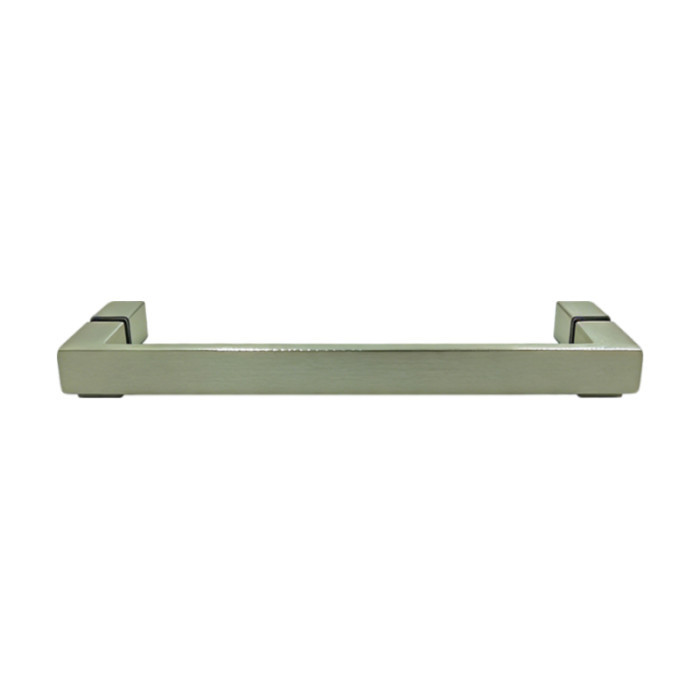
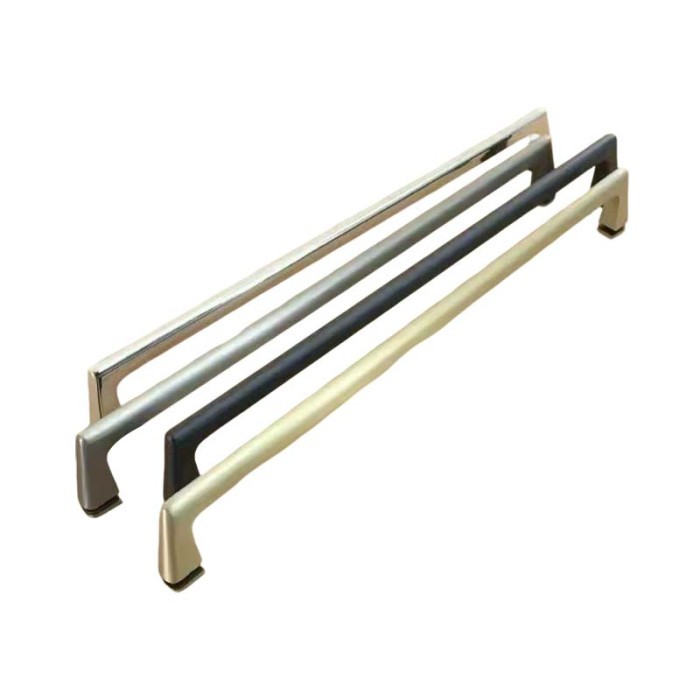
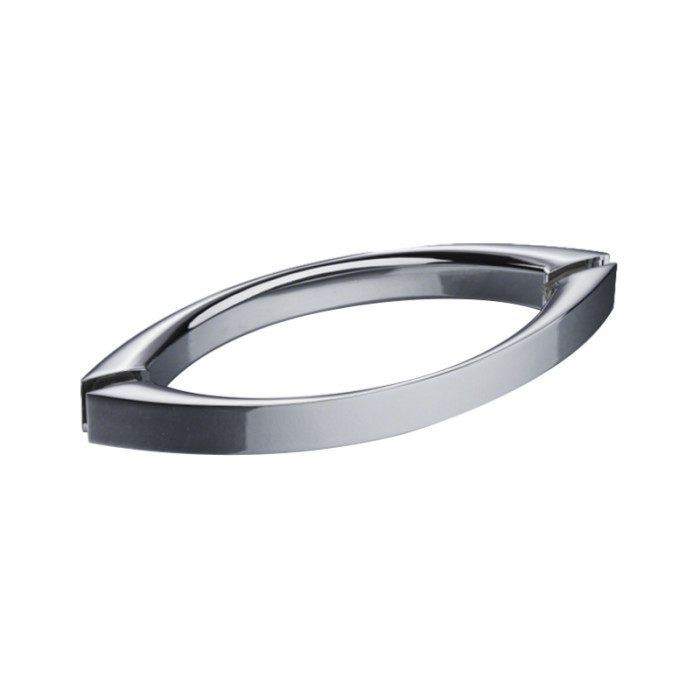
Glass door handles involve custom glass drilling, with three key procurement considerations.
1. Hole spacing. The standard hole spacing is usually 145 mm, but drilling positions may vary between glass suppliers. Before placing an order, confirm the actual hole spacing with the glass manufacturer. Selecting the wrong handle specification may make installation impossible, and redrilling the glass carries a high risk of damage.
2. Finish consistency management. Bathrooms typically include at least four categories of metal fixtures — shower systems, towel bars, door handles, and mirror cabinet handles — often supplied by different manufacturers. Collect physical finish samples or color cards of all planned metal accessories and compare them together before bulk purchasing. If all samples cannot be collected, chrome is the safest choice because it carries the lowest risk of visible color variation. For colored finishes such as matte black, gunmetal grey, or gold, pay special attention to batch-to-batch differences.
3. Material. 304 stainless steel resists oxidation in humid environments; chrome-plated zinc alloy provides a lower-cost option; ABS is fingerprint-resistant and easier for daily cleaning. For common handle failure modes, see our shower door handle issues and buying guide.
Overhead Shower and Drain
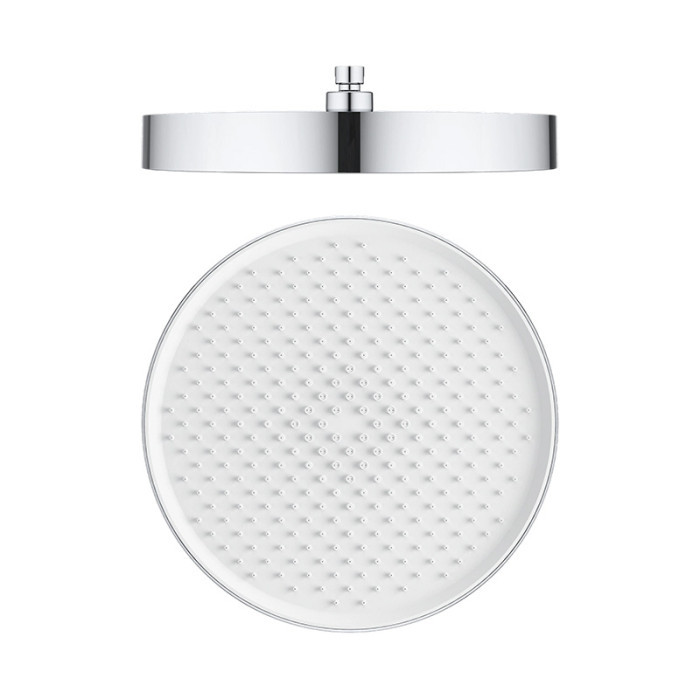
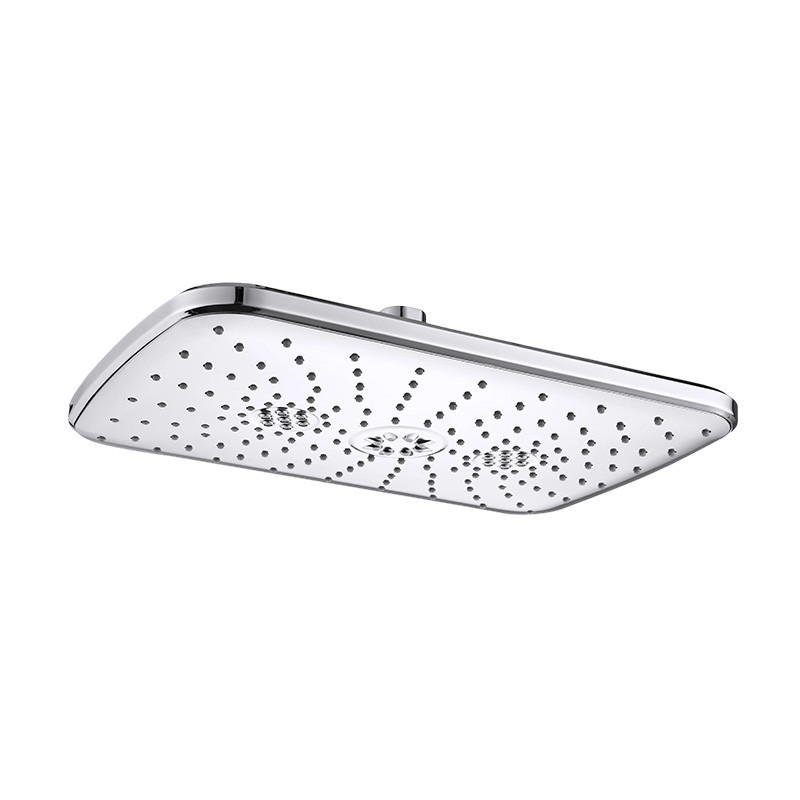
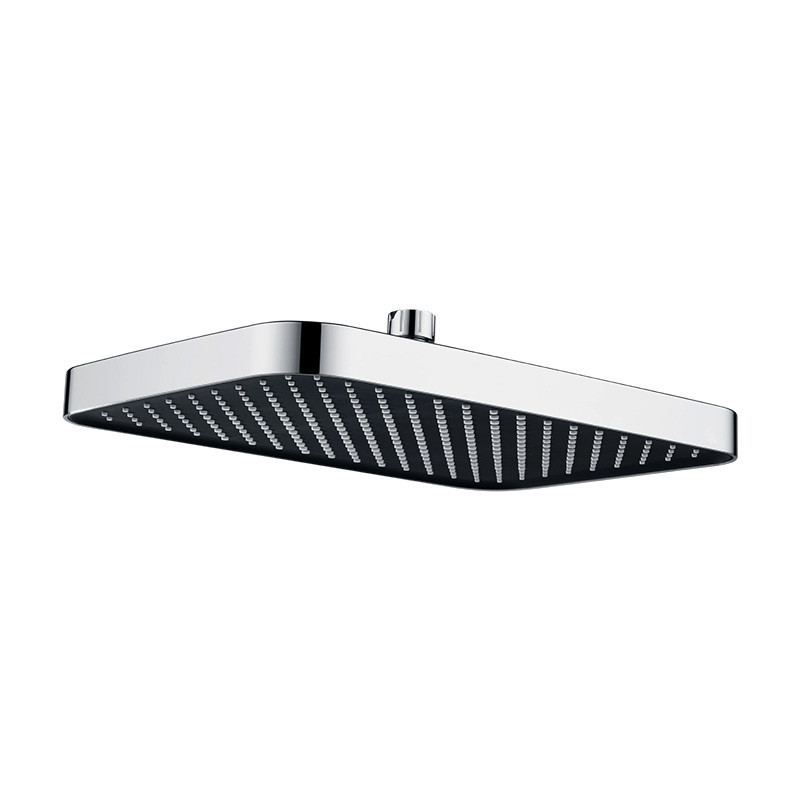
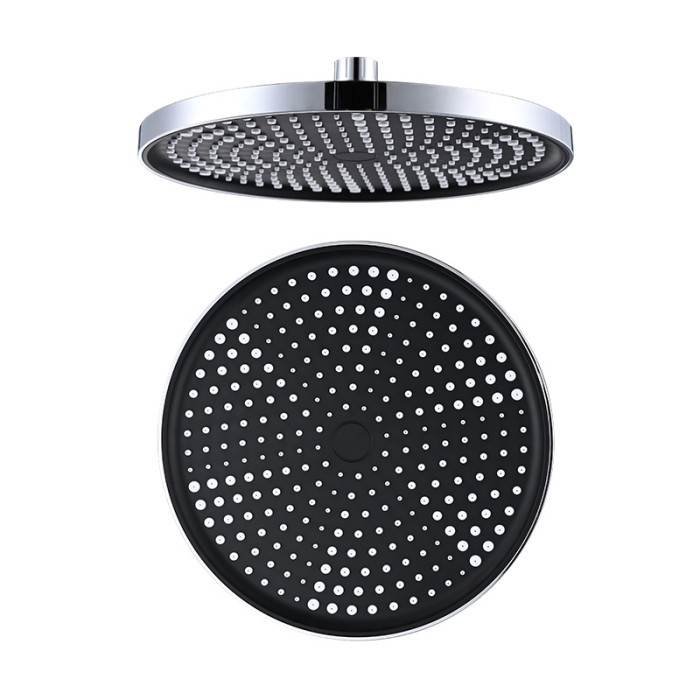
The installation method and diameter range of the overhead shower outlet must be determined during the drawing stage so the required plumbing provisions can be reserved during the water and electrical installation stage. Otherwise the outlet position and interface diameter cannot be finalized, which may affect the construction schedule. Two aspects must be confirmed before plumbing installation begins.
1. Installation method: ceiling-mounted installation or wall-mounted extension arm installation.
2. Approximate diameter range: this determines the water outlet interface position. Large diameters (≥300 mm) provide wider water coverage and a stronger rainfall experience; medium and small diameters offer better water efficiency and suit homes on higher floors where water pressure is lower.
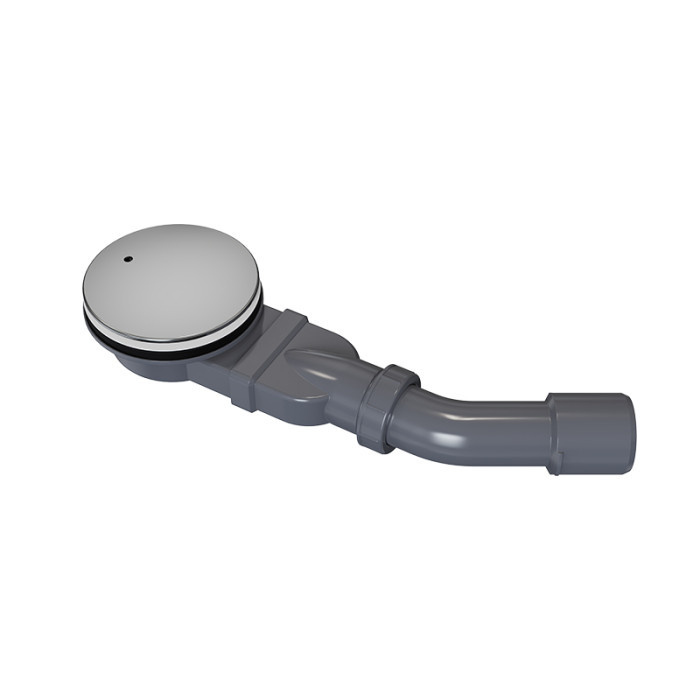
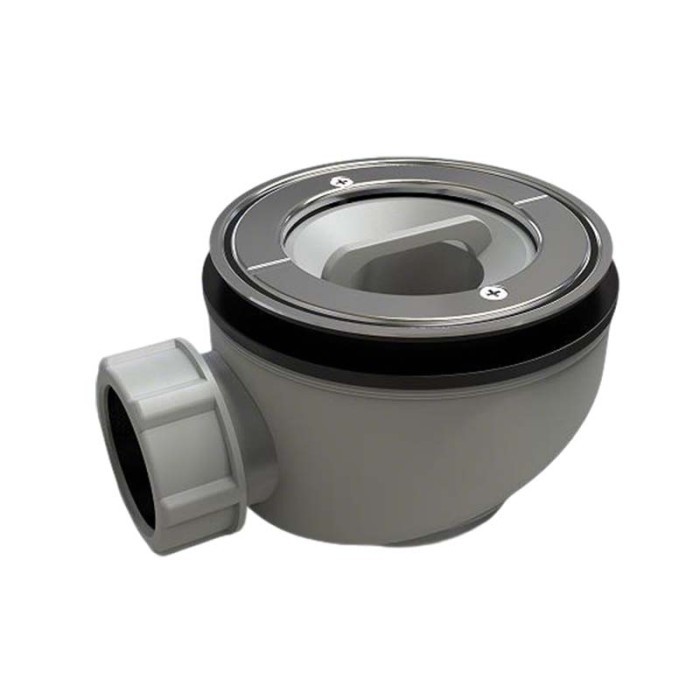
For drain systems, if the shower area is planned to use a shower tray instead of a stone base, confirm the drain interface diameter and hole spacing in advance. Drainage fittings used for shower trays are not the same as standard floor drains. Their connection specifications are completely different and cannot be used interchangeably, so the correct drainage components should be selected according to the required specifications and model numbers.
Plumbing Pre-Installation Stage: Which Two Heights Must Be Fixed On Site?
The mixer valve outlet height and the shower slide bar installation height. Both must be confirmed and positioned with the installers during plumbing coordination. Once plumbing lines are embedded, any modification requires opening up the wall and adds significant cost.
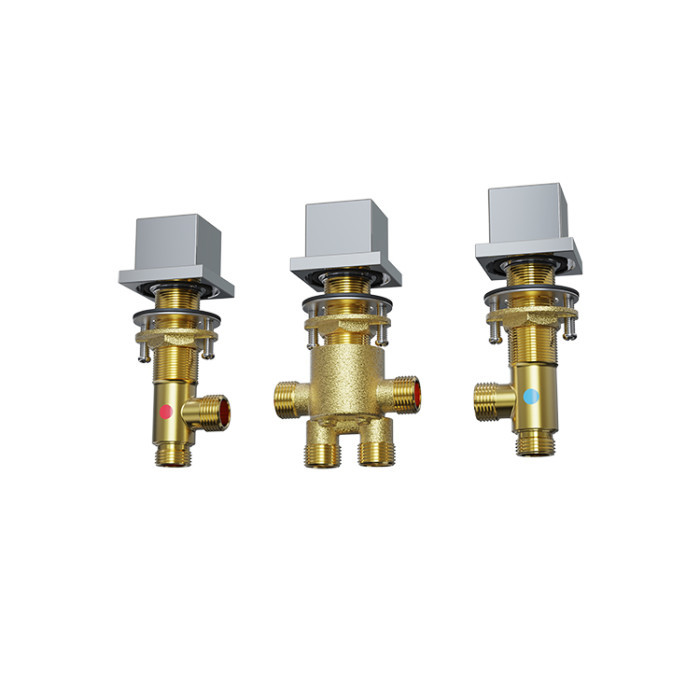
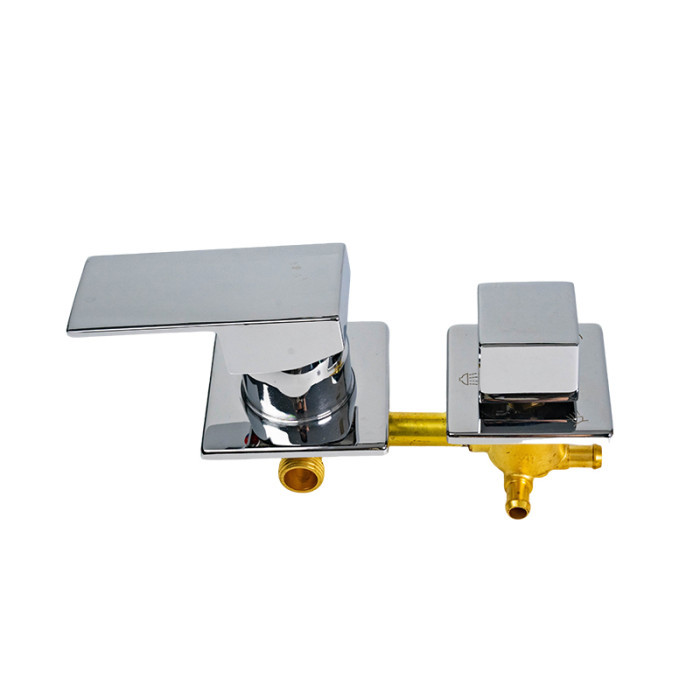
Shower Mixer Valve
Two factors must be confirmed in advance when selecting a shower mixer valve.
First, outlet height. Once the hot and cold water pipes are embedded inside the wall, adjustments become extremely difficult. The installation height should be determined based on the height of household members and their usage habits.
Second, thermostatic model or standard model. A standard mixer valve requires manual temperature adjustment each time it is used. The outlet temperature fluctuates with seasonal changes, and the same valve position may experience a difference of 3-5°C between winter and summer. For households with elderly family members or children, a thermostatic model is recommended: its internal thermal sensing element regulates and locks the outlet temperature when it exceeds the preset value, helping prevent scalding. On valve body material trade-offs, see our comparison of brass versus stainless steel shower mixer valves.
Shower Slide Bar
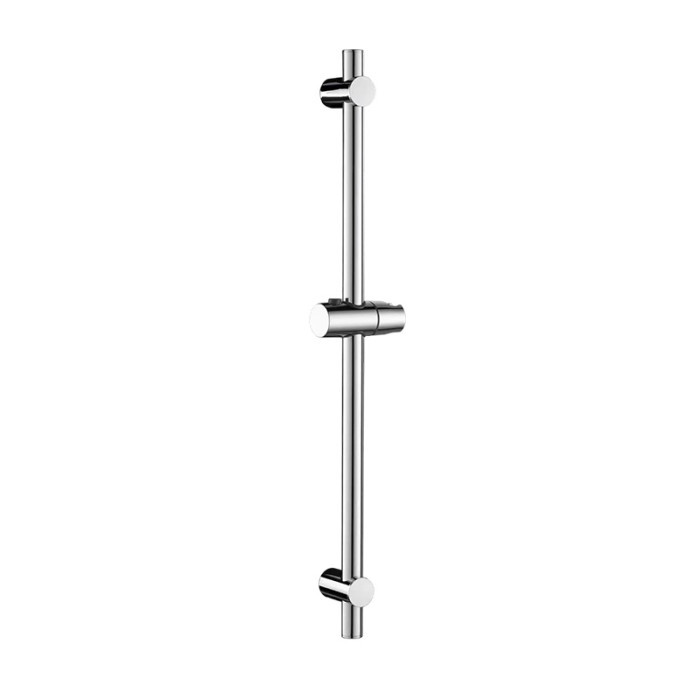
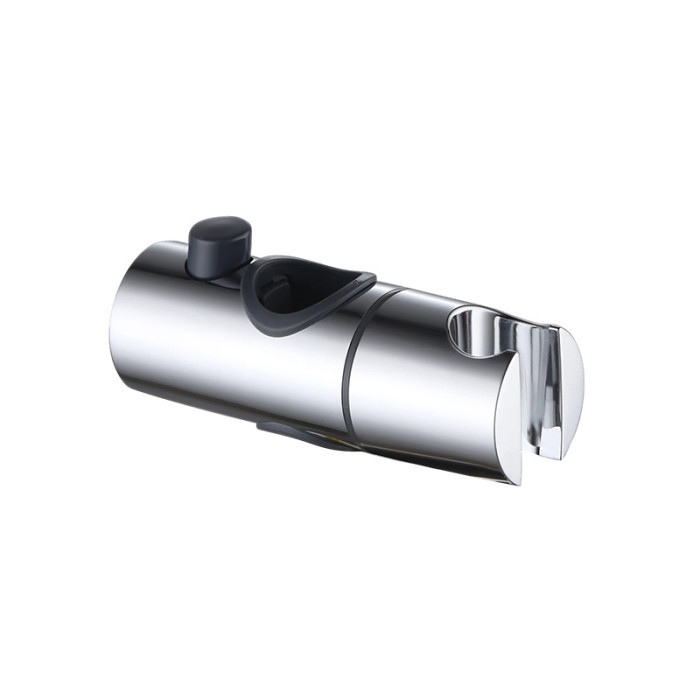
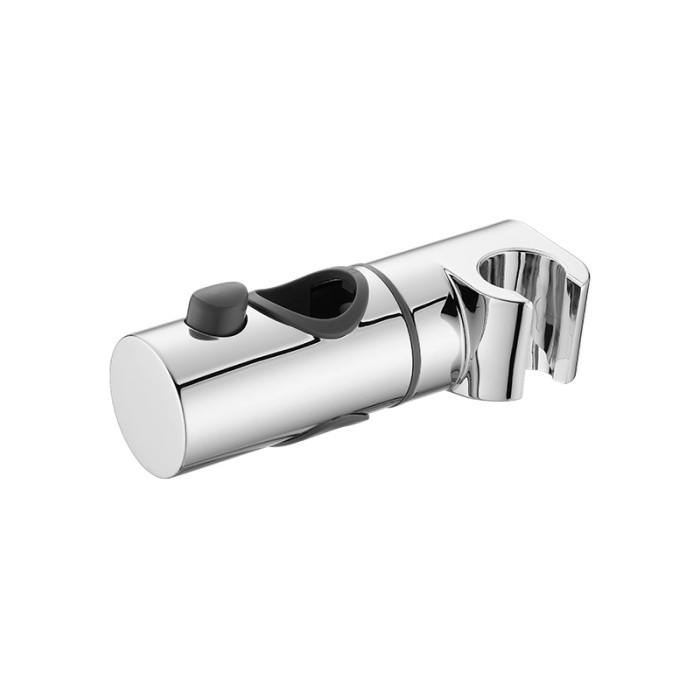
The recommended installation height is 700-1500 mm above the floor, covering both seated and standing shower scenarios. For households with significant height differences between family members, the range can be adjusted for better usability.
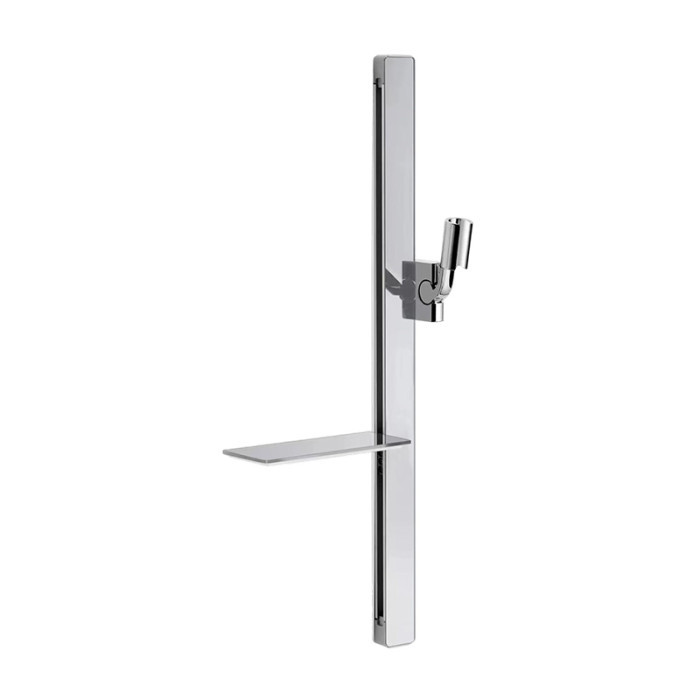
Integrated slide bars with storage shelves have also become increasingly popular in recent years. These models feature a glass or acrylic shelf above the slide bar, providing space for shower products and replacing a separate wall-mounted storage rack. This reduces the number of wall drillings required, making it especially suitable for rental properties or households that prefer minimal wall modifications. For slide bar specifications and installation points, see our shower riser procurement guide.
Final Installation Stage: How Are the Glass-Mounted Accessories Decided?
Once the glass panels are in place, the project enters the final installation stage. At this point the accessories attached directly to the glass are installed.
Magnetic Sealing Strips
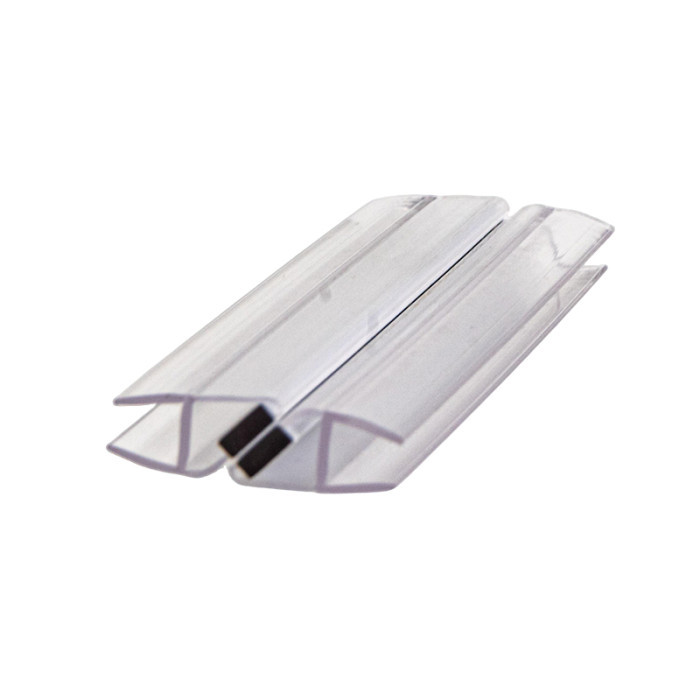
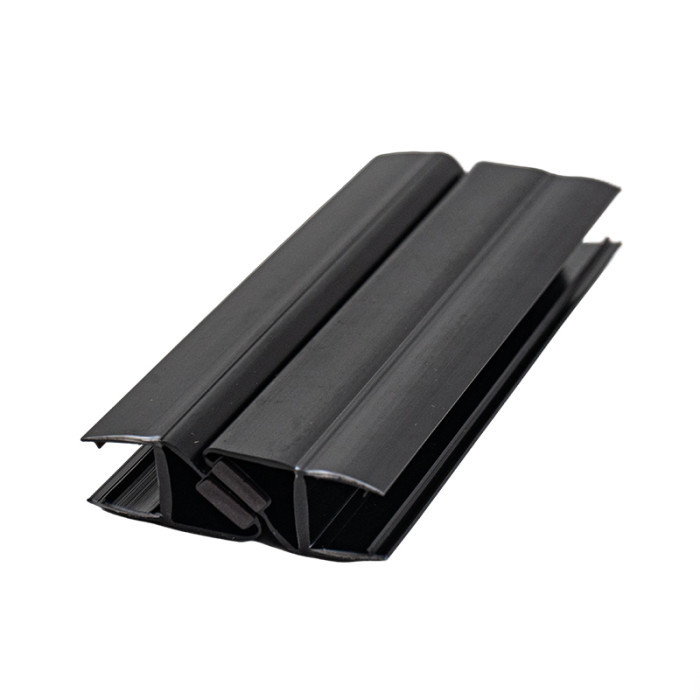
If a shower enclosure leaks, the magnetic sealing strip is usually the first component to check. Two factors must be confirmed before procurement.
1. Glass thickness (6 mm / 8 mm). If the wrong seal thickness is selected, the seal may fail to install properly or may not clamp tightly enough. Poor fitting can cause water leakage through the door gap and compromise the waterproofing layer.
2. Bottom seal and side magnetic seal must be used together. Installing only the side magnetic seal without a bottom seal will not prevent leakage through the bottom gap. The two work together to create a complete waterproof barrier.
For users sensitive to closing noise, a magnetic self-closing seal system can be selected: the glass panels gently attract and close together without collision noise. For the application scenarios of different seal profiles, see our guide to shower door seal materials and shapes.
Handheld Shower
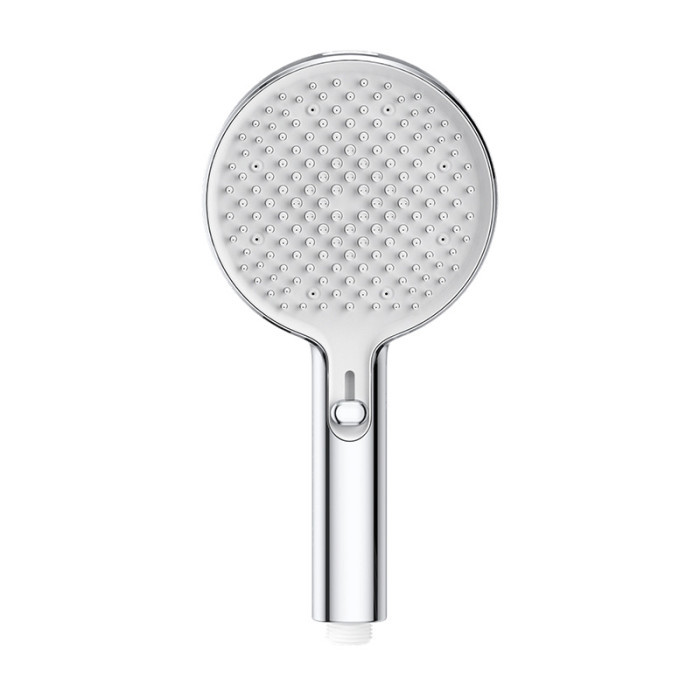
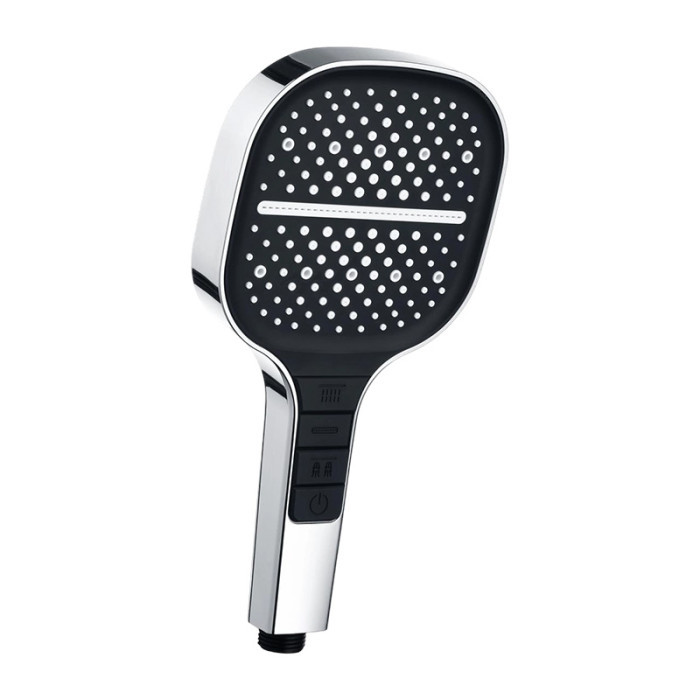
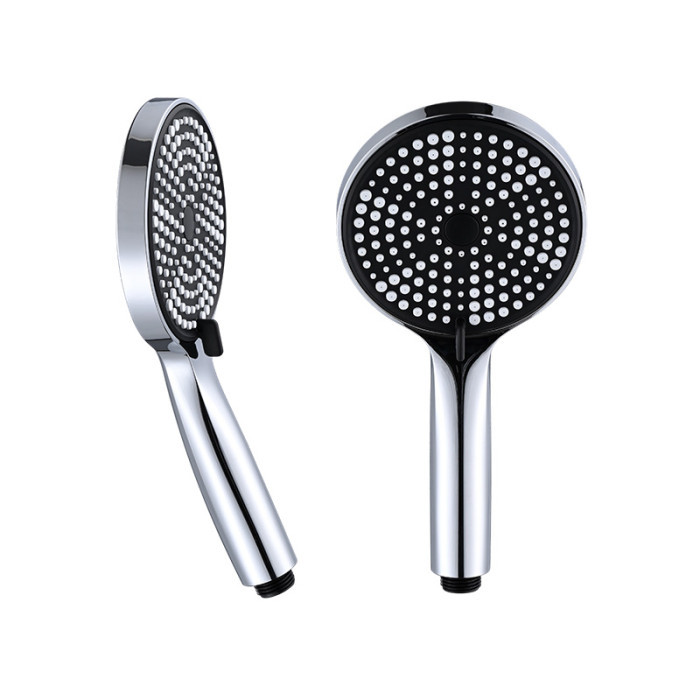
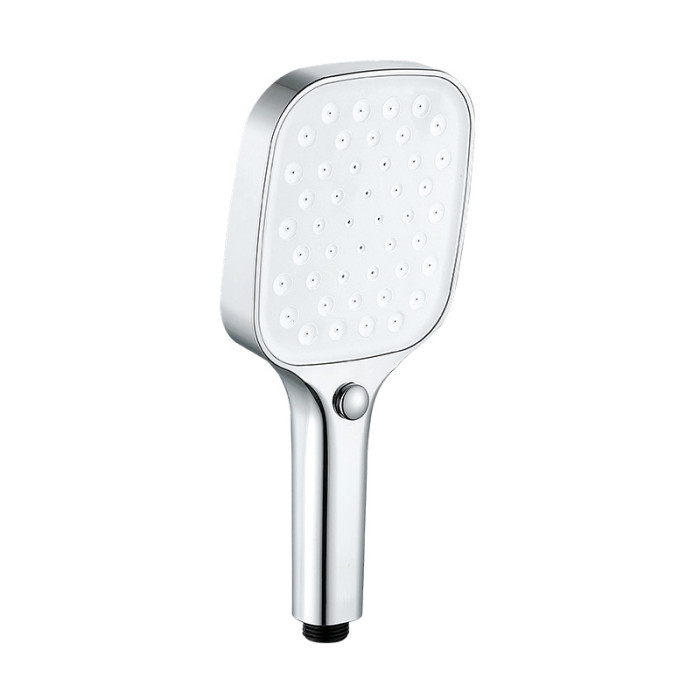
The handheld shower model can be finalized during the installation stage, but the finish color should match the overhead shower to keep a consistent bathroom style. On functionality, the key considerations are whether the number of spray modes meets daily usage requirements and whether a water stop button is needed. The water stop function allows users to pause the water flow while shampooing or applying body wash, providing noticeable water savings, and is especially practical for households with children.
Key Takeaways
- Timing matters more than the product itself. Glass thickness, door configuration, and outlet height must be locked during the drawing stage.
- Roller diameter against track groove, seal profile against glass thickness, and handle hole spacing against glass drilling — verify all three with suppliers before ordering.
- Mixer valve outlet height and slide bar installation height are positioned on site during plumbing coordination. Once embedded in the wall, they cannot be changed.
- Compare finish samples of all metal accessories before placing the order. Chrome carries the lowest color variation risk; colored finishes require batch-level attention.
Looking Ahead
Residential shower hardware selection is shifting from "will it fit" to "have the specifications been verified in advance". For homeowners and renovation teams, aligning glass thickness, door configuration, and outlet height with suppliers at the drawing stage costs less than reworking after installation. We will continue to add specification matching data by category so project teams can compare options directly during the planning stage.
Work With Us
Residential shower enclosure hardware covers a wide range of categories and detailed specifications. Even a small omission during selection can result in costly rework during installation.
If you are looking for a complete hardware solution for a new bathroom renovation or an existing bathroom remodeling project, feel free to contact us. Hydrorelax provides one-stop selection guidance and bulk quotations covering products from shower door rollers to shower systems, supports OEM customization, and can provide finish matching recommendations based on your bathroom design style.
Frequently Asked Questions
Confirm the glass thickness with the glass supplier before ordering hardware. If the design has not been finalized, first lock the hinge and roller installation type (sliding or swing). Once the glass thickness is determined, the matching roller and seal specifications can be selected. See also: buying tempered shower glass in bulk.
The most reliable method is to collect all physical samples and compare them together before installation. If differences are found, chrome finishes can usually be adjusted by replacing selected components, while colored finishes (matte black, gunmetal grey, gold) should be purchased from the same production batch.
Options include extended expansion anchors combined with chemical anchor adhesive, or switching to a floor-mounted slide bar support that transfers the load to the floor. Inspect the wall structure on site before deciding on the installation solution.
A shower tray drain fitting uses a flat sealing interface and relies on a gasket compressed against the tray, while a standard floor drain uses a push-in socket connection. Because the structures differ, forcing them to be used interchangeably may result in leakage.
No. Commercial settings involve higher usage frequency and unfamiliar users, so requirements for material and thermostatic function are stricter. For the specific differences, see our hotel commercial shower hardware procurement guide.
Working on shower hardware selection for a renovation project?
Tell us your glass thickness, door configuration, and shower enclosure dimensions, and we will provide specification matching advice, samples, and a quotation.