SPA Cover Skin Sourcing Guide: A Cost-Optimized Business Solution
- Share
- Issue Time
- Aug 13,2026
Summary
In this blog, we will explain what the SPA Cover Skin is, its advantages, and when it makes sense to use it, so you can make a more cost-efficient sourcing decision.
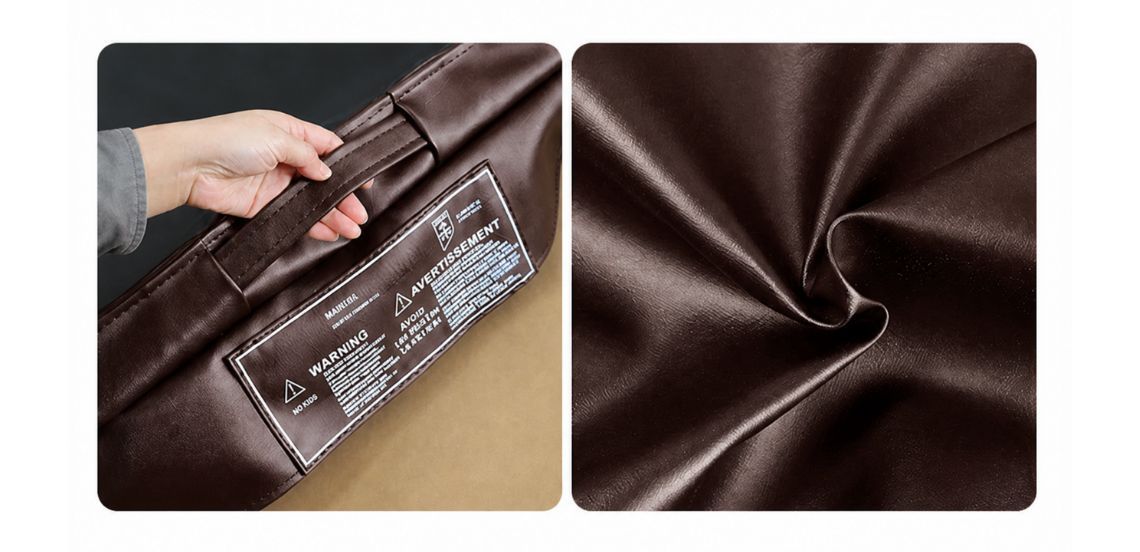
In a previous blog, we explained how to choose a SPA Cover Cap. For hot tub importers and brand owners, accessories are important, but the sourcing strategy for the core product, the SPA Cover, is even more important.
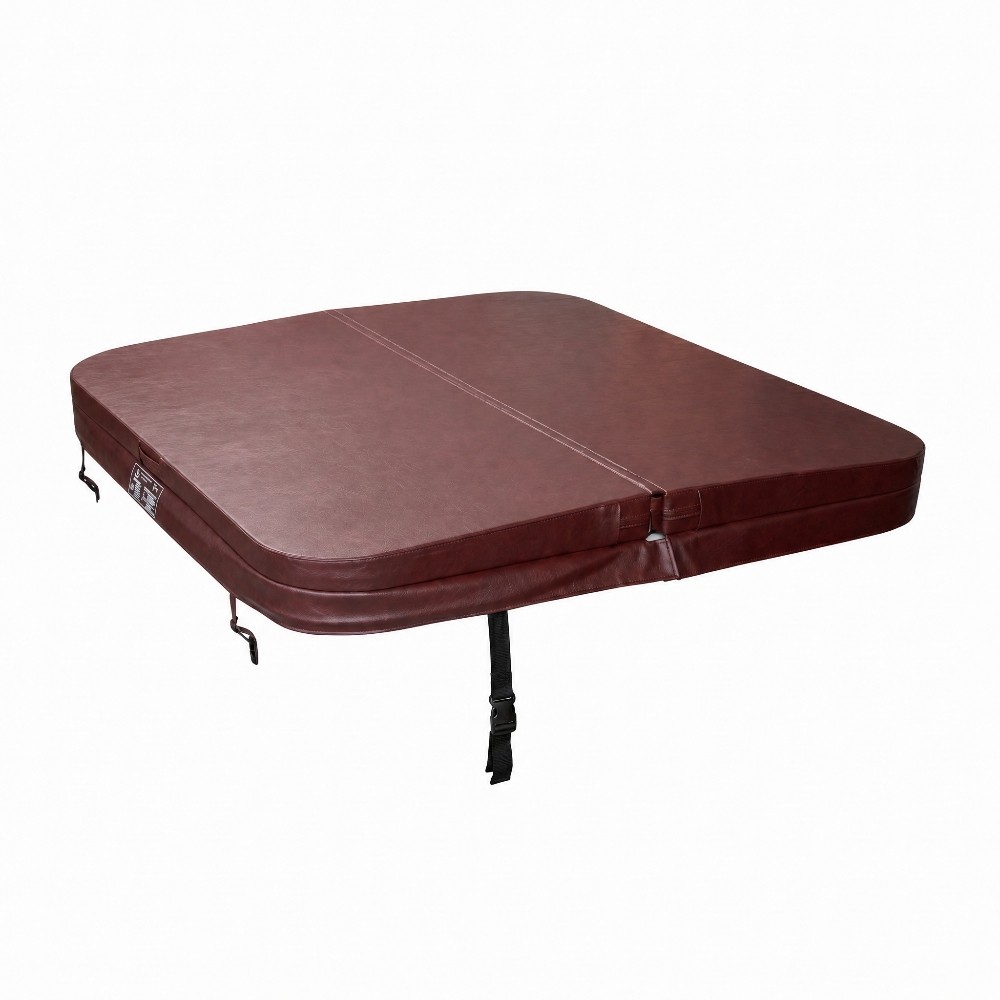
Besides buying a full finished cover, there is another option: sourcing only the SPA Cover Skin. This is a special product type for specific buyers.
In this blog, we will explain what it is, its advantages, and when it makes sense to use it, so you can make a more cost-efficient sourcing decision.
What Is a SPA Cover Skin?
A SPA Cover Skin refers to the outer surface layer of a hot tub cover, without the internal foam insulation core.
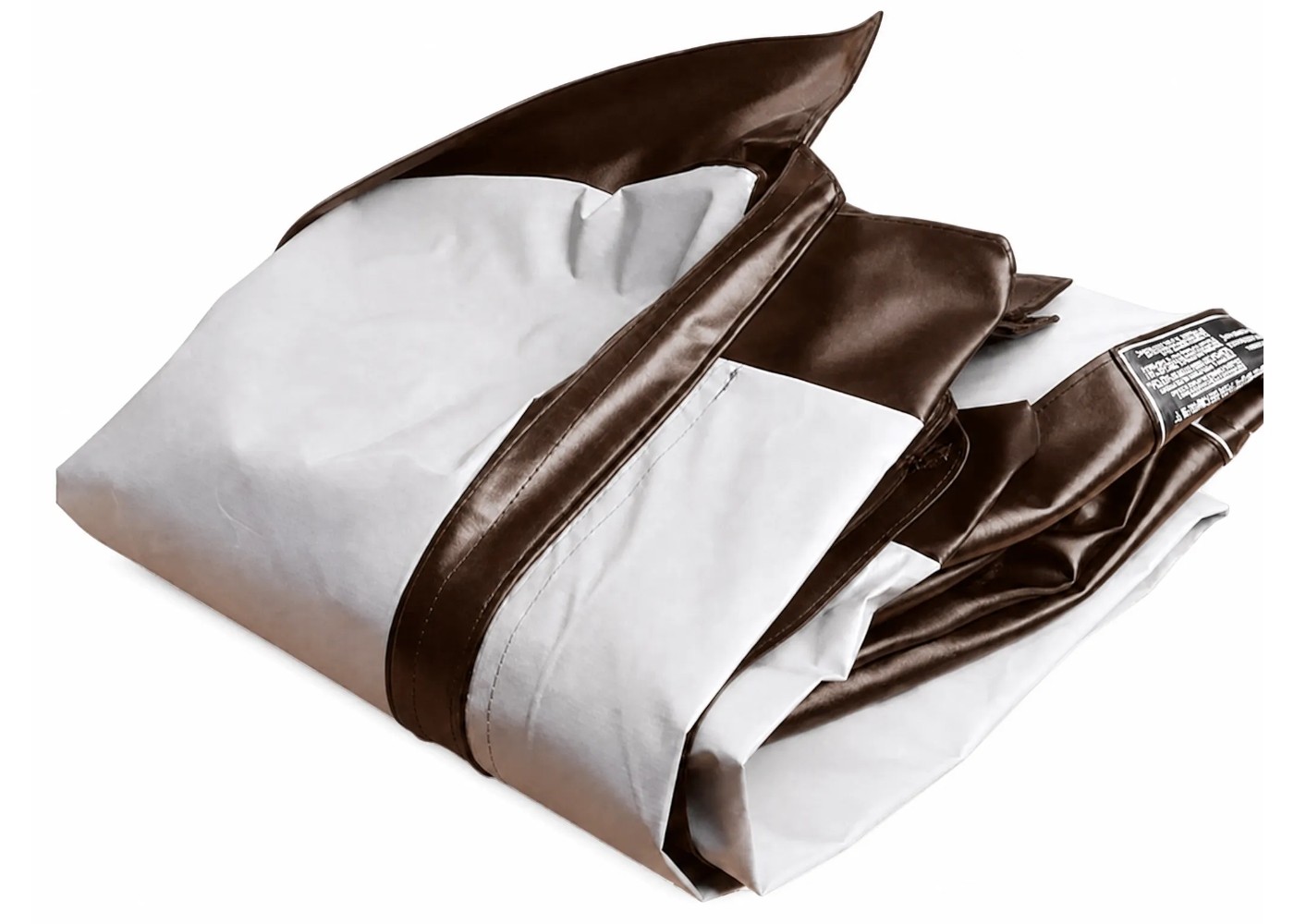
A standard finished spa cover is made of two main parts: an inner EPS foam core (which provides support and thermal insulation) and an outer vinyl layer. The SPA Cover Skin only includes the outer fabric layer and its attached components.
Specifically, it includes:
Outer skin: Usually made of Marine Grade Vinyl, and can be customized with logo printing or specific colors.
Skirt: The fabric section that wraps around the edge of the spa. It often comes with a zipper or Velcro for closure.
Handles: Carry handles sewn on both sides for lifting.
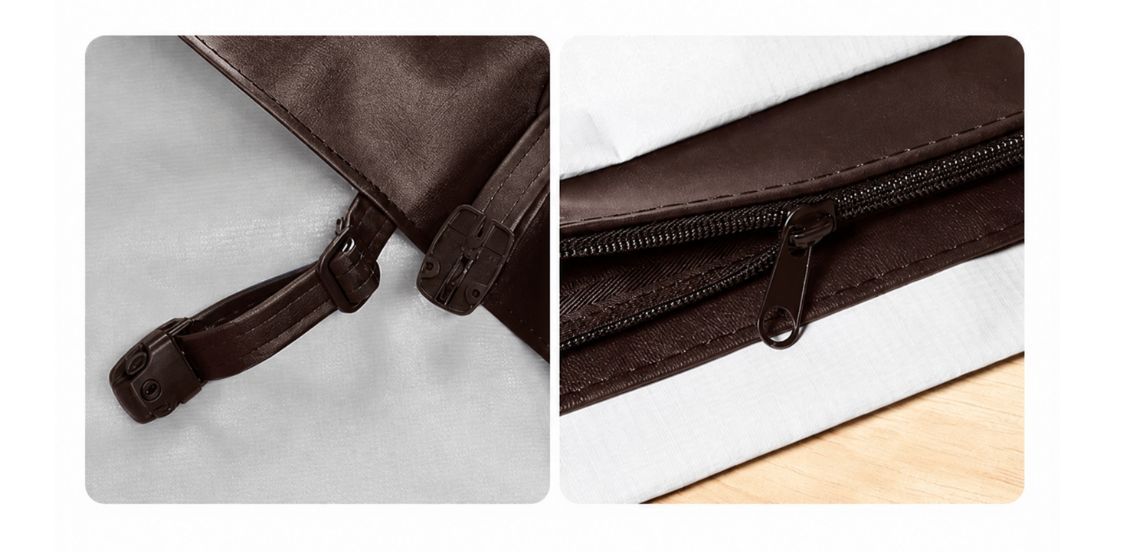
Straps: Fastening straps and buckles used to secure the cover in place.
Inner pocket structure: A pre-formed cavity designed for inserting the foam boards later.
After receiving the spa cover skin, buyers usually cut or source foam boards locally, fit them into the inner pocket, and seal the cover. The final product is a fully assembled spa cover ready for sale.
Why Do Commercial Buyers Choose SPA Cover Skin?
Choosing SPA Cover Skin instead of a finished cover is mainly driven by logistics cost, tariff policies, and inventory management.
1. Lower international shipping cost
This is the biggest advantage of spa cover skin.
A finished SPA Cover contains a bulky foam core, making it a typical light but high-volume product. It takes up a lot of container space. International sea freight is usually charged by volumetric weight, so shipping cost per unit is high.
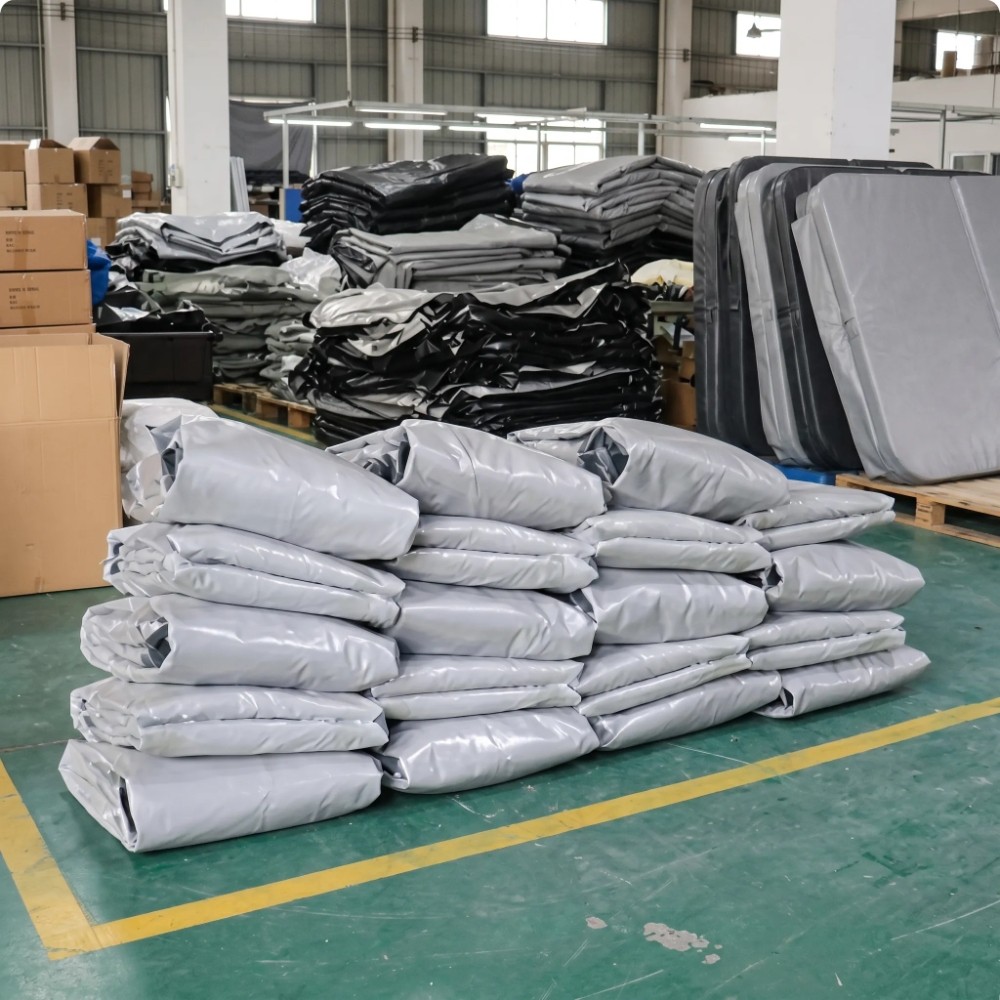
SPA Cover Skin is a soft textile product and can be folded and compressed for packing. A 40HQ container that typically holds around 300 finished covers can accommodate approximately 1,500 sets of spa cover skins instead. This significantly reduces the shipping cost per unit.
2. More flexible inventory management
Finished SPA Covers come in many sizes, which makes stocking difficult. If certain sizes do not sell well, it can lead to serious inventory pressure.
With the SPA Cover Skin model, you only keep fabric skins in stock. Foam boards are then sourced locally and assembled when orders are placed. This build-to-order model helps reduce inventory risk and cash flow pressure.
3. More controllable quality options
Since the foam is added at the destination market, buyers can choose different foam densities (such as 1.0 lb/ft³ or 1.5 lb/ft³), or upgrade to higher-quality vapor barrier layers. This allows more flexible control over final product quality and cost.
SPA Cover vs SPA Cover Skin
Choosing between finished covers and spa cover skins does not depend on company size. It depends on your business model, strategy, and operational capability.
| Dimension | Finished SPA Cover | SPA Cover Skin |
| Core business logic | 1.Stock-and-resale model 2.Simple and fast. No extra processing needed. Products can be delivered directly to end customers after arrival. | 1.Supply chain integration model 2.Breaks down product components to optimize logistics and tax costs, and increase profit margins. |
| Buyers | 1.Small retailers 2.Repair & replacement shops 3.Urgent replenishment for large brands(used to fill specific size gaps in inventory) | 1.Large brands & OEM manufacturers(with local warehouse and assembly teams to maintain brand consistency) 2.Importers&distributors(aiming to maximize container value) |
Logistics & warehousing | 1.High cost, low efficiency 2.Bulky product leads to expensive freight and large storage space requirements. | 1.Low cost, high efficiency 2.Can be folded and stacked easily, greatly reducing shipping and warehouse costs. |
Operational barrier | Low No equipment or labor required. Ready to sell upon receipt. | Medium to high Requires foam sourcing and assembly capability, or outsourcing to a local assembly facility. |
Quality control | 1.Fully factory-controlled 2.Risk depends on whether the factory uses low-quality foam or materials. | 1.Shared responsibility 2.Factory controls fabric quality; buyer controls foam density and final assembly sealing. |
Decision Guide
Choose finished SPA Covers: If you lack local assembly capability or need fast replenishment. It is also commonly used when customers require immediate delivery. Even large brands use it for urgent small batch orders.
Choose SPA Cover Skin: If you purchase in bulk (full container load) and want to leverage local resources to reduce cost. Especially for OEM and private label brands, spa cover skin allows full control over fabric material and appearance design while minimizing logistics cost.
Key Considerations When Sourcing SPA Cover Skin
Although spa cover skin removes the weight of the foam core, there are still several technical factors you must pay attention to when sourcing the fabric layer to ensure final product quality:
1. Fabric thickness and grade
Do not focus only on color. You must confirm that Marine Grade Vinyl is used.
Low-grade materials can become brittle and crack under long-term UV exposure. The back side of the fabric should also include an anti-mold treatment layer.
2. Stitching thread material
Standard cotton or nylon thread can degrade and break under long-term outdoor UV exposure. Suppliers should use high-strength, UV-resistant thread to ensure durability.
3. Reinforcement at stress points
Handles and straps carry the most load during use. These areas must be reinforced with bar-tack stitching to prevent tearing or detachment after long-term use.
4. Vapor barrier layer
Foam boards naturally release moisture vapor. If there is no dense plastic barrier layer inside the skin (often called a Steam Stopper), moisture can penetrate the fabric layers, leading to mold and odor.
When sourcing spa cover skin, you must confirm that this vapor barrier is already included inside the structure.
SPA Cover Skin FAQ
1. What tools and skills are needed to assemble a spa cover skin?
It is not complicated. You only need to cut EPS foam boards according to size, wrap them with plastic film, insert them into the inner pocket of the skin, and seal the bottom.
2. How to ensure accurate sizing?
Dimensions must be accurate. Even a few centimeters of deviation can affect installation.
You should provide full drawings (length, width, corner radius, and center height). For first orders, it is recommended to produce a PP sample and test it physically.
3. How big is the cost advantage of spa cover skin?
It is usually 40%–60% cheaper than finished covers. In terms of total landed cost, savings can exceed 30%.
4. Can spa cover skin be sold separately for repairs?
Yes. It is ideal for customers whose foam is still in good condition but whose outer cover is aged or damaged. It is a strong replacement solution for repair markets.
Hydrorelax's Perspective
At Hydrorelax we have over 25 years of experience in manufacturing hot tub components. We have observed that successful buyers do not focus only on unit price. They focus on total cost of ownership.
Sourcing SPA Cover Skin is an effective supply chain strategy. It allows you to convert high international logistics costs into local assembly labor costs, which are often lower. However this approach also requires suppliers to maintain very high production standards.
Hydrorelax is a spa cover skin supplier providing full support from fabric development to finished sewing production. If you are considering SPA Cover Skin to optimize your product line, please contact the Hydrorelax team.
About the Author
This blog is written by Shirley. Shirley has many years of experience in the spa and wellness industry with a focus on hot tub component development and global supply chain optimization.
She is dedicated to helping hot tub brands and importers build more competitive sourcing systems through professional industrial analysis and market insights.
Recommend Products
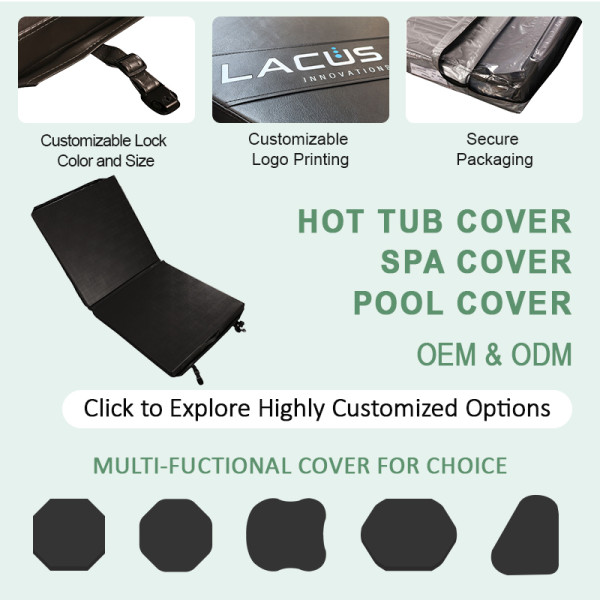
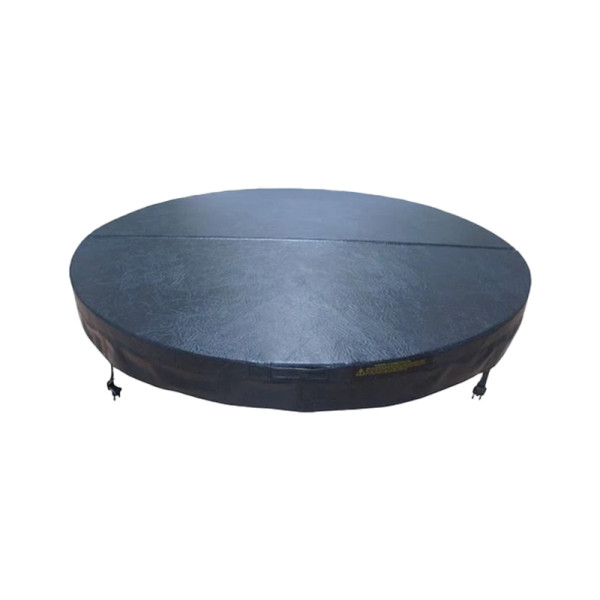
Support OEM and ODM
SPA COVER 1800x2400x(100x70mm)