Tapered vs Non-Tapered Spa Covers
- Share
- Issue Time
- Jul 23,2026
Summary
This blog takes a factory and manufacturing perspective to compare tapered spa covers and non-tapered spa covers, helping you understand their differences in design, structural performance, and real-world use.
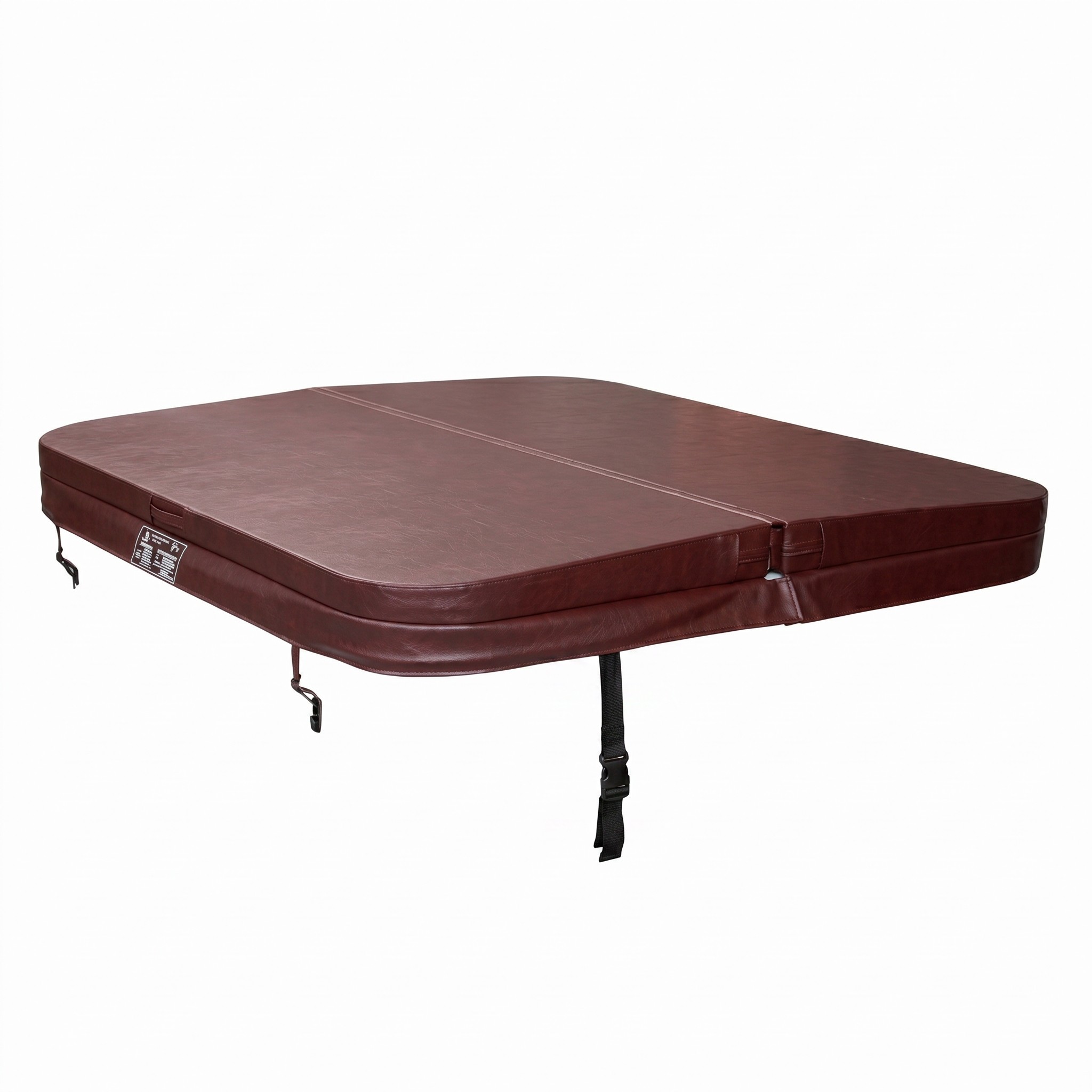
This blog takes a factory and manufacturing perspective to compare tapered spa covers and non-tapered spa covers, helping you understand their differences in design, structural performance, and real-world use.
What is a Tapered Spa Cover?
Tapered spa covers are common on the market, but many people may not realize that their design comes from the need for both better protection and easier use. Early spa covers were flat and had uniform thickness. While simple in structure, they had limitations in water drainage, insulation, and overall user experience.
As people wanted more from their spa experience, manufacturers started making spa covers with a gentle slope. This way, rainwater slides off easily instead of collecting, and the cover keeps the water warmer for longer. That's how the tapered spa cover was born.
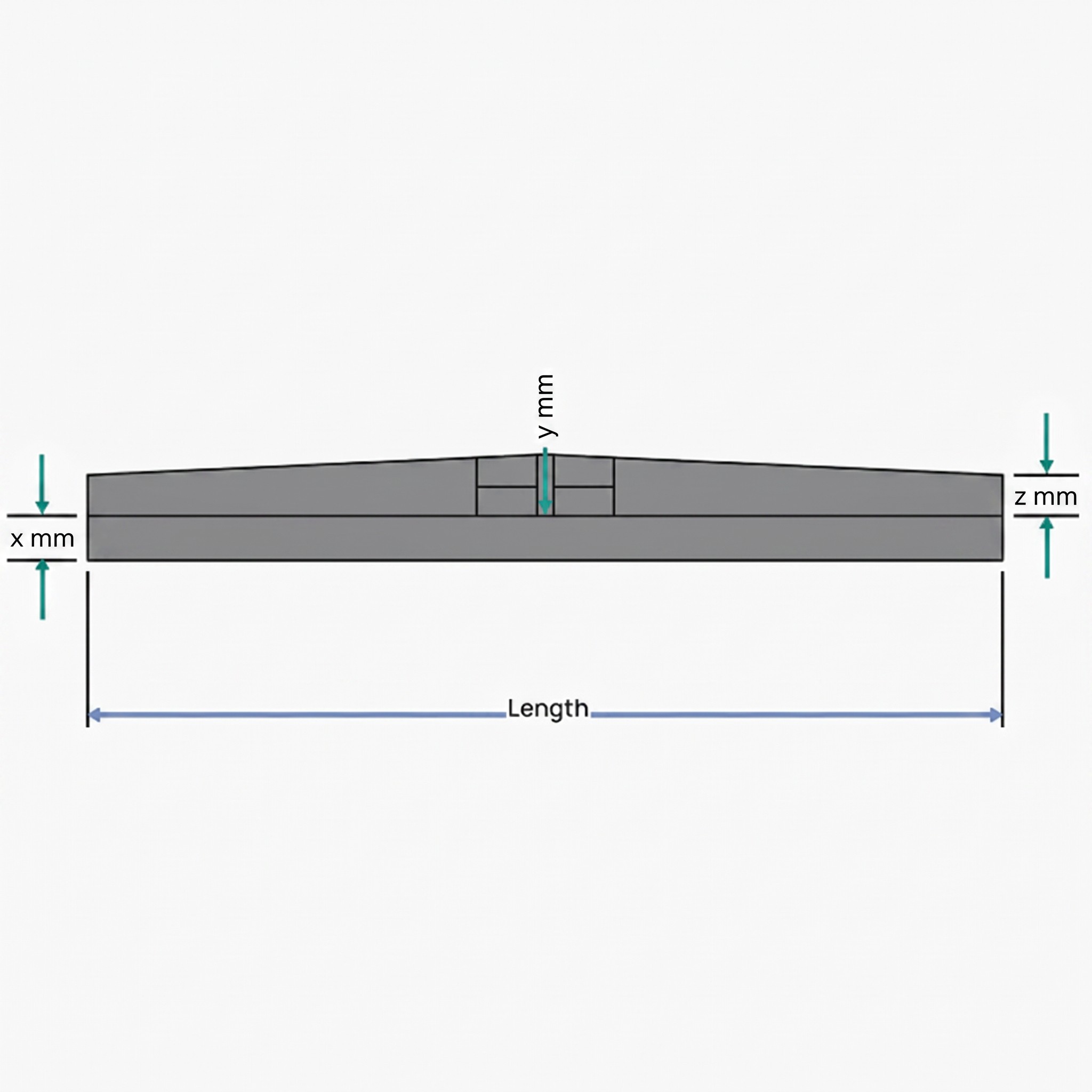
A tapered spa cover is usually thicker in the middle and gradually slopes down toward the edges. This not only helps water flow naturally off the surface but also reduces the weight at the edges, making it easier to open and close.
In production, creating a tapered cover requires careful adjustments in foam filling, edge sealing, and inserting the central C-channel. The foam must remain stable, while the C-channel provides support to prevent deformation from uneven weight distribution over time.
Beyond drainage, the tapered design also enhances the spa cover's appearance. Whether the spa is square, round, or irregular, a well-designed taper helps the cover blend naturally with the tub, giving the whole spa a more refined and elegant look.
What is a Spa Cover R-Value?
The R-value measures how well a spa cover insulates and shows how effectively it prevents heat loss. For tapered spa covers, calculating the R-value is especially important because the thickness changes from the center to the edges. If the foam density or material is not adjusted correctly, insulation can be uneven.
Take a standard 84 inch x 84 inch square spa cover as an example. The difference in R-value between tapered and non-tapered covers is most noticeable in the heat resistance at the center compared to the edges.
A non-tapered cover has uniform thickness, so its R-value is consistent across the surface. However, a thick center can make the edges heavy and make the cover harder to lift. A tapered cover has thinner edges while keeping the center thick enough to provide good insulation. The overall weight is more balanced, making daily use easier and more comfortable.
In practical production, by carefully selecting the right combination of foam density and thickness, a tapered spa cover can achieve R-values that are equal to or even higher than a non-tapered cover. At the same time, water drainage is much better. Rain and condensation will not pool on the cover, which helps to extend its lifespan.
Tapered vs Non-Tapered Spa Covers
From a manufacturing perspective, the differences between tapered and non-tapered spa covers go beyond thickness design. They also involve material use, production complexity, and the end-user experience. The table below summarizes the main differences:
| Feature | Tapered Spa Cover | Non-Tapered Spa Cover |
| Thickness Distribution | Thick in the center, thin at the edges | Uniform thickness |
| Water Drainage | Excellent, water flows off easily | Poor drainage, which may lead to water pooling |
Insulation | Controlled, thick center keeps heat | Even, but heavy edges |
| Structural Stability | Requires C-channel support, more complex to make | Simple structure, easy to produce |
Ease of Use | Light to open and close, comfortable to handle | Heavy edges, harder to operate |
Tapered spa covers are better suited for users who prioritize drainage and ease of use, while non-tapered covers are easier to produce in standard sizes with simple construction. If you want a balance between appearance, insulation, and user experience, a tapered design is usually the better choice.
Can Any Spa Cover Shape Be Tapered?
The answer is yes. Tapered designs are not limited to standard square, rectangular, or round spa covers. Almost any shape can be customized with a taper according to customer needs, achieving a balance of aesthetics, drainage, and insulation.
For example, a square spa cover can have a thick center for insulation and naturally sloped edges for drainage.
Figure 2 shows a common square spa cover with a taper. The edges are about 2 to 4 inches thinner than the center, making it easy to open and close while providing good drainage.
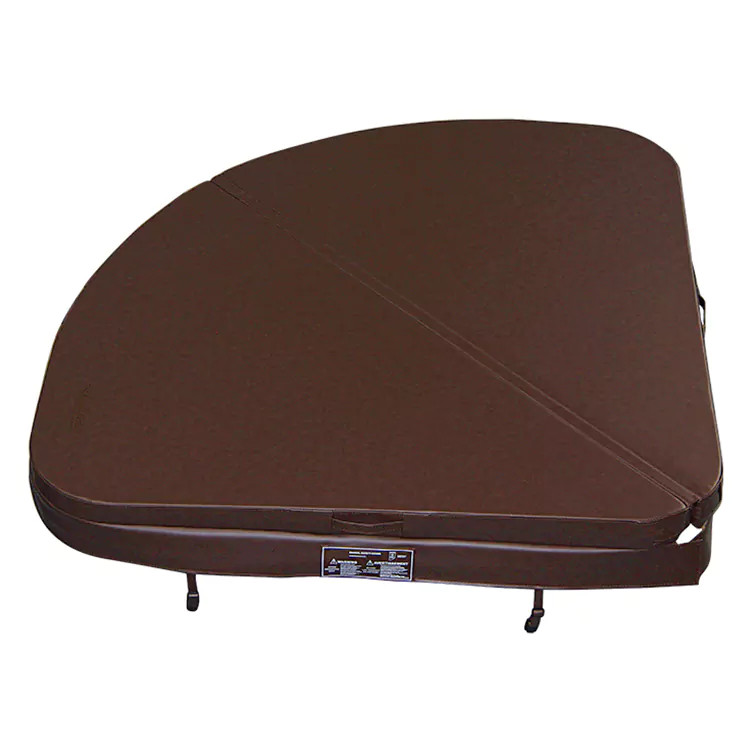
Figure 3 shows an irregular-shaped spa cover with a tapered effect. Even with complex lines, precise foam cutting and C-channel insertion maintain overall stability.
Key Considerations When Making Tapered Spa Covers
1. Thickness Limits
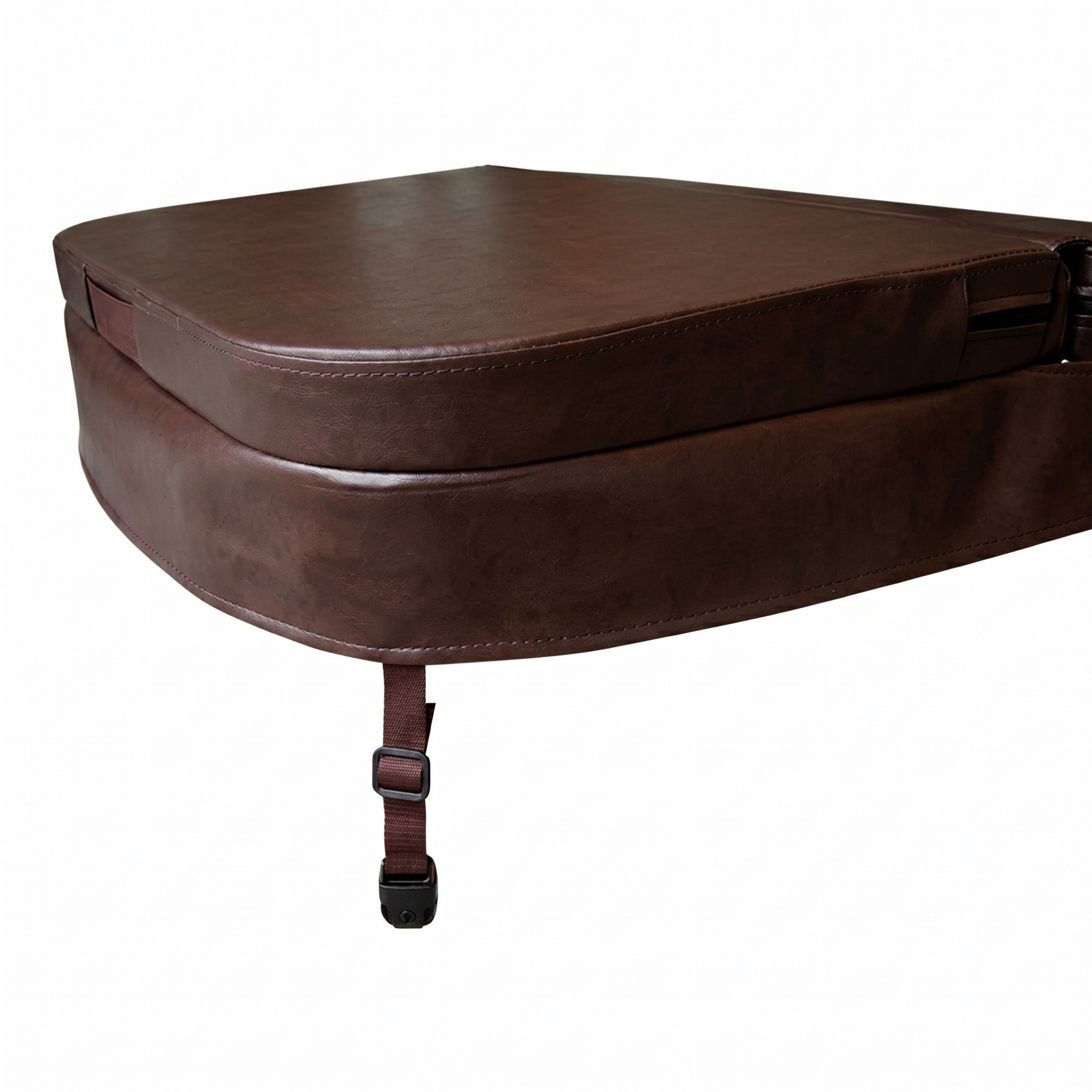
A tapered design cannot be made with just any thickness. Common designs include 4 to 2 inches, 5 to 3 inches, and 6 to 4 inches. The center is usually reinforced with a C-channel to ensure structural stability, so the edges cannot be too thin. Thin edges can affect how the cover opens and closes and reduce its lifespan.
2. Foam Density and Filling
To keep the R-value consistent and maintain insulation, the edges, need higher foam density or an added insulating layer. This ensures that the edges will not deform or sag during rain or daily use.
3. C-Channel and Edge Sealing
The C-channel not only provides structural support but also helps maintain the cover's shape. Choosing the right edge material is also important. It should be weather-resistant and flexible to prevent cracking or foam exposure at the edges.
4. Production Accuracy
Producing a tapered spa cover requires precise control of cutting angles, foam density, C-channel length, and edge alignment. Even a few millimeters of error can affect drainage or make the cover harder to open and close. Each step, from factory production to the finished product, is carefully inspected.
Hydrorelax Recommendations
At Hydrorelax, we recommend choosing a tapered spa cover, especially for outdoor environments or areas where water tends to pool. Tapered covers provide better drainage, maintain good insulation, and are easier to handle, making your spa experience more comfortable.
For non-standard shapes or large spa covers, a tapered design is even more important. Custom tapered covers can fit the edges of the spa precisely, preventing gaps or poor drainage caused by uneven thickness. We also recommend keeping a reasonable proportion between the center and edge thickness to balance insulation and overall weight.
With years of production experience, Hydrorelax can provide a one-stop solution from measuring and design to foam filling, C-channel insertion, and edge sealing. Contact the Hydrorelax team for support.
About the Author
This blog was written by Shirley. Shirley has experience in the spa and wellness industry and a deep understanding of hot tub components, including product development and market analysis.
Her work focuses on exploring spa product technology, material trends, and global market needs. She shares professional insights to help brands and manufacturers make smarter decisions, optimize products, and improve market competitiveness.
Recommended Products

Hydrorelax specializes in OEM/ODM spa covers for bulk orders, customizing logo, color, shape, size, locks, styles, and packaging.
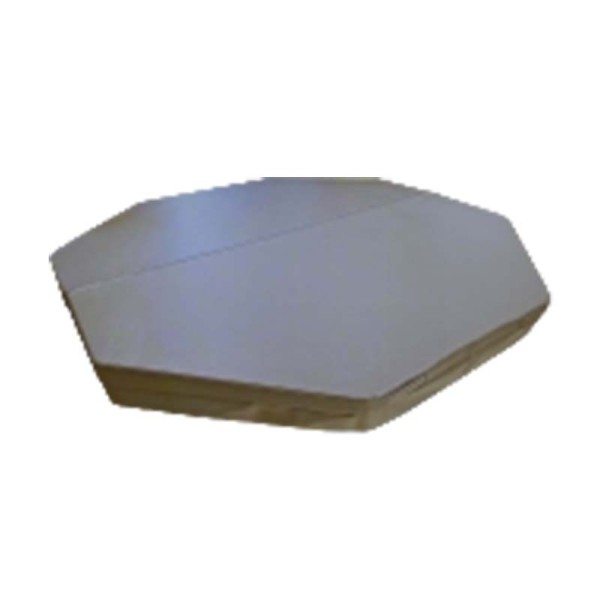
SPA COVER 1800x2400x(100x70mm)
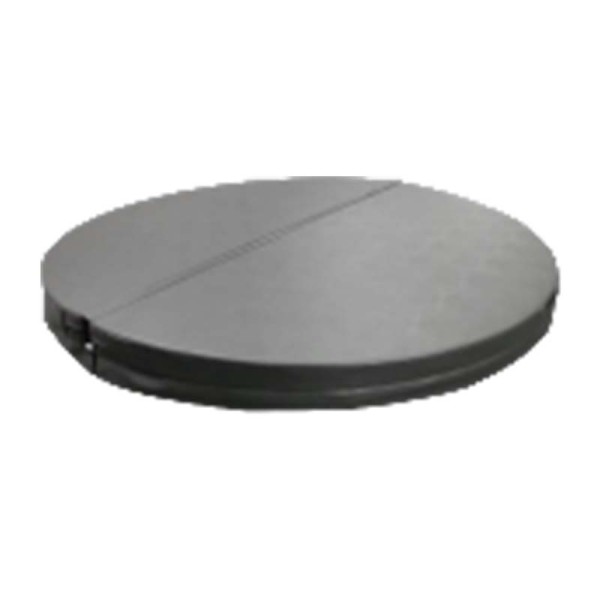
SPA COVER 2000x2000x(100x70mm) round shape
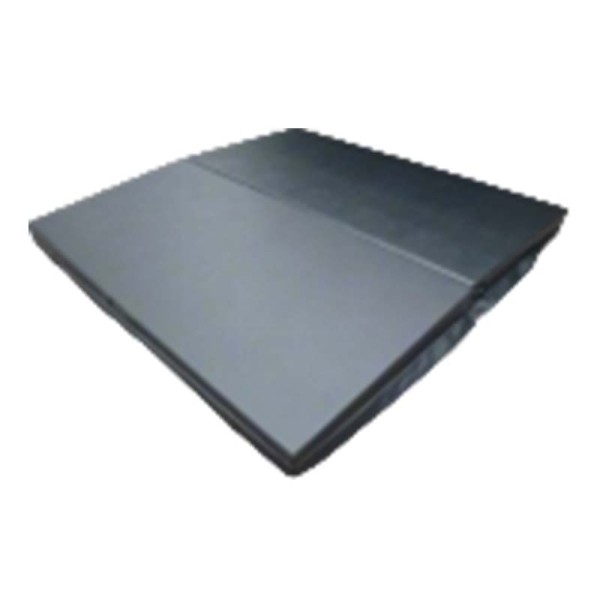
spa cover 2050X2050X(100X70)mm