Water Jets: Structure, Size and How They Work
- Share
- Issue Time
- Jun 15,2026
Summary
Today we will take a quick look at water jets, covering their structure, sizing and how they work.
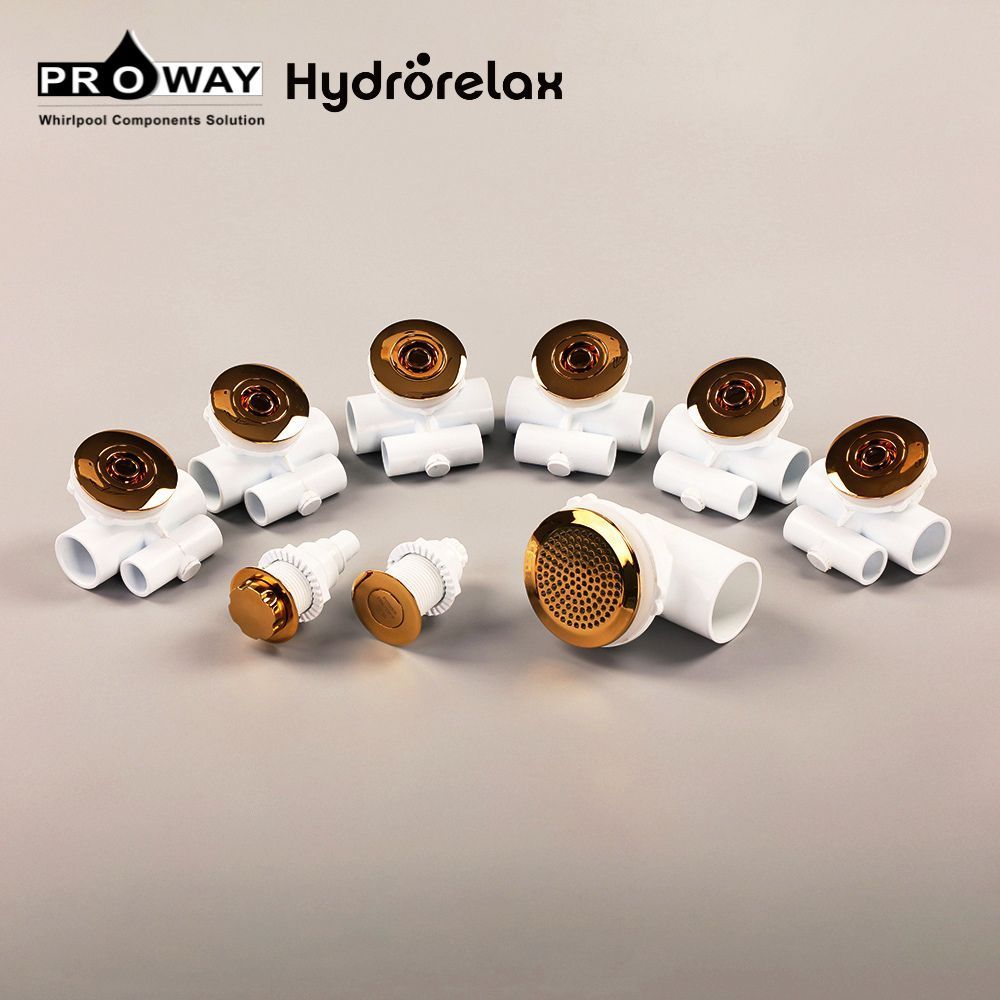
Today we will take a quick look at water jets, covering their structure, sizing and how they work.
From a factory perspective, this blog explains the design logic and key details to help you understand and use this essential hot tub component. They are also a core part of any spa or jetted bathtub.
Water Jet Components
When you fully take apart a water jet, you get four core parts: the nozzle head (jet head), the cover you see on the surface, the seals, and the body at the bottom.
The nozzle head (jet head) is the part users touch directly. It's usually made of ABS plastic. ABS has a smooth surface, stable molding, and works well with post-processing. Most heads come in plain plastic, but in real use, many have a stainless steel cover or are decorated with copper to improve both look and durability.
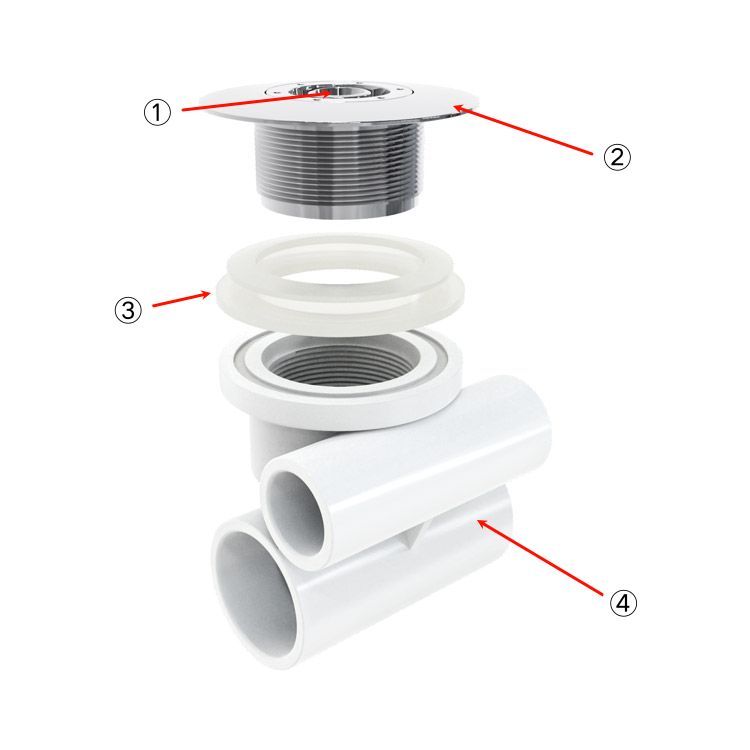
The nozzle head (jet head) is the part users touch directly. It's usually made of ABS plastic. ABS has a smooth surface, stable molding, and works well with post-processing. Most heads come in plain plastic, but in real use, many have a stainless steel cover or are decorated with copper to improve both look and durability.
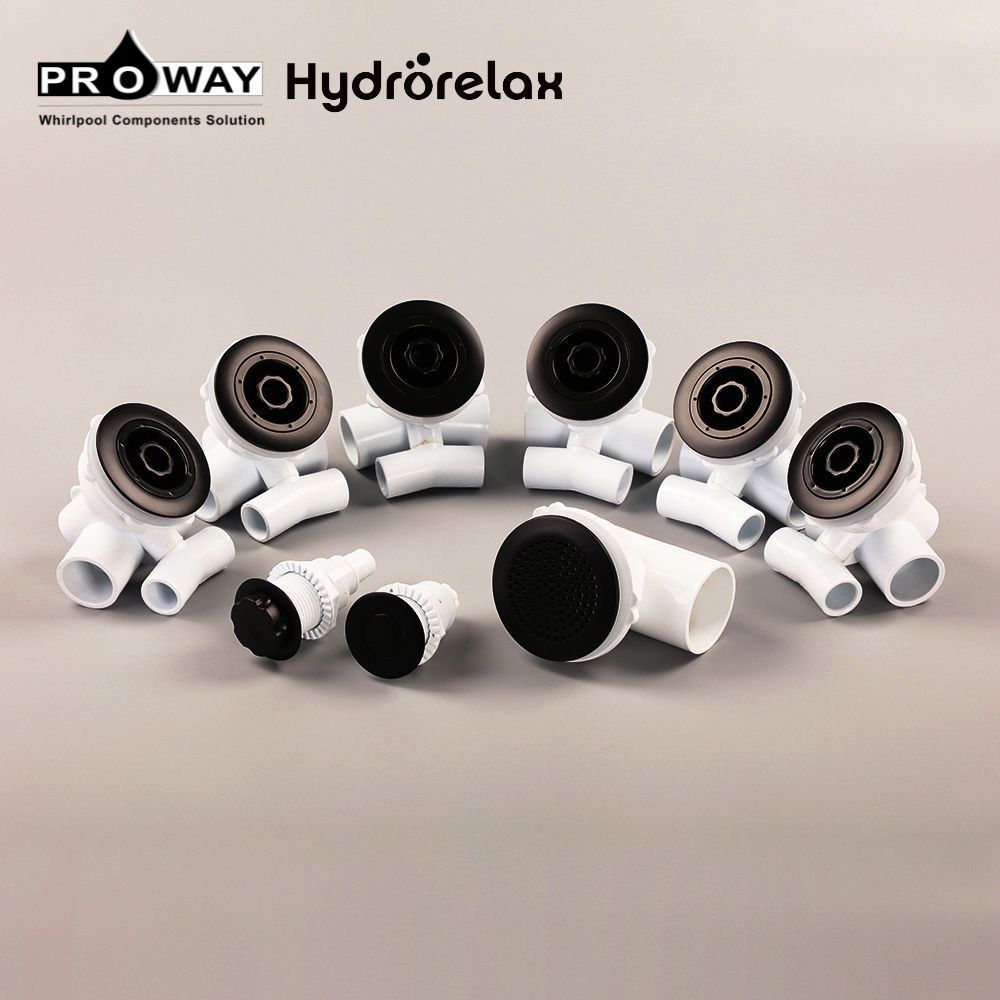
The different colors you see on the market, bright silver, black, gold, aren't from the material itself. They come from plating or coating processes.
Common surface treatments include chrome plating, PVD, painting, brushing, and matte finishing. These not only change the look but also affect corrosion resistance and scratch protection.
Seals are easy to overlook but among the most important parts. They are usually made of rubber or elastic materials, chosen based on the operating environment. Even though we commonly refer to them collectively as "O-rings," seals come in a variety of designs.
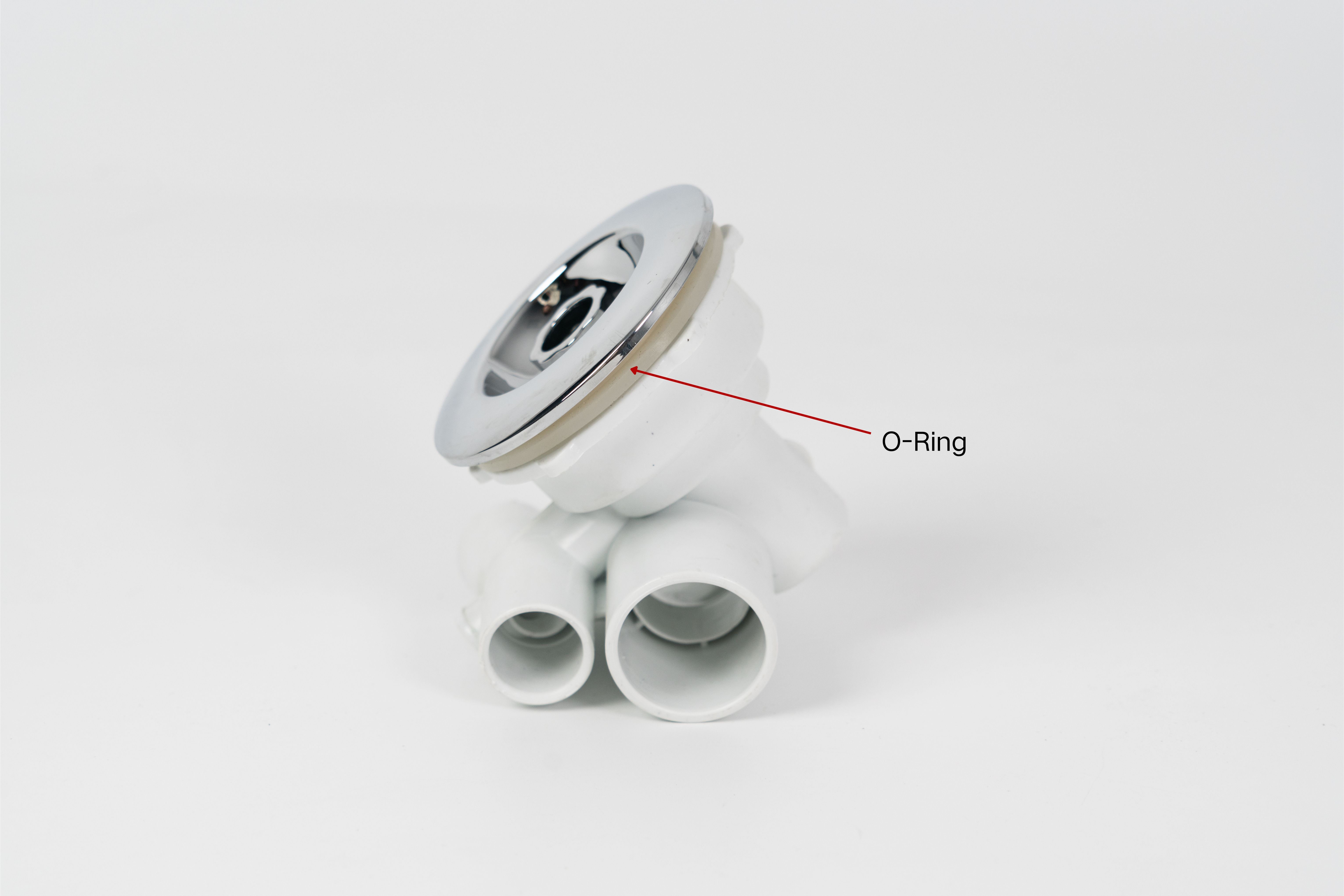
Common types include standard O-rings, hollow seals (or U-cup seals), and T-seals. Each design differs in compression behavior, sealing contact surface, and pressure resistance. For example, O-rings are typically used for dynamic sealing applications, while hollow seals and T-seals provide enhanced sealing performance under varying pressures or complex geometries, commonly found in jets, valves, and diverters.
The body of the water jet is usually made of PVC. This raises a common question: if both ABS and PVC are plastics, why not use just one material?
The answer lies in their strengths. ABS is better for visible parts because it's easy to plate and looks good. PVC, on the other hand, offers superior corrosion resistance, especially under long-term exposure to water, disinfectants, and chemicals.
As the main structure connecting water and air channels, the body must withstand pressure, temperature changes, and chemical exposure, making PVC the more reliable choice.
How to Measure a Water Jet
In practice, problems during selection or replacement are often not caused by the product itself but by incorrect measurements. To match the right water jet for your hot tub, accurate measurement is the first step, and you need to know which dimensions really matter.
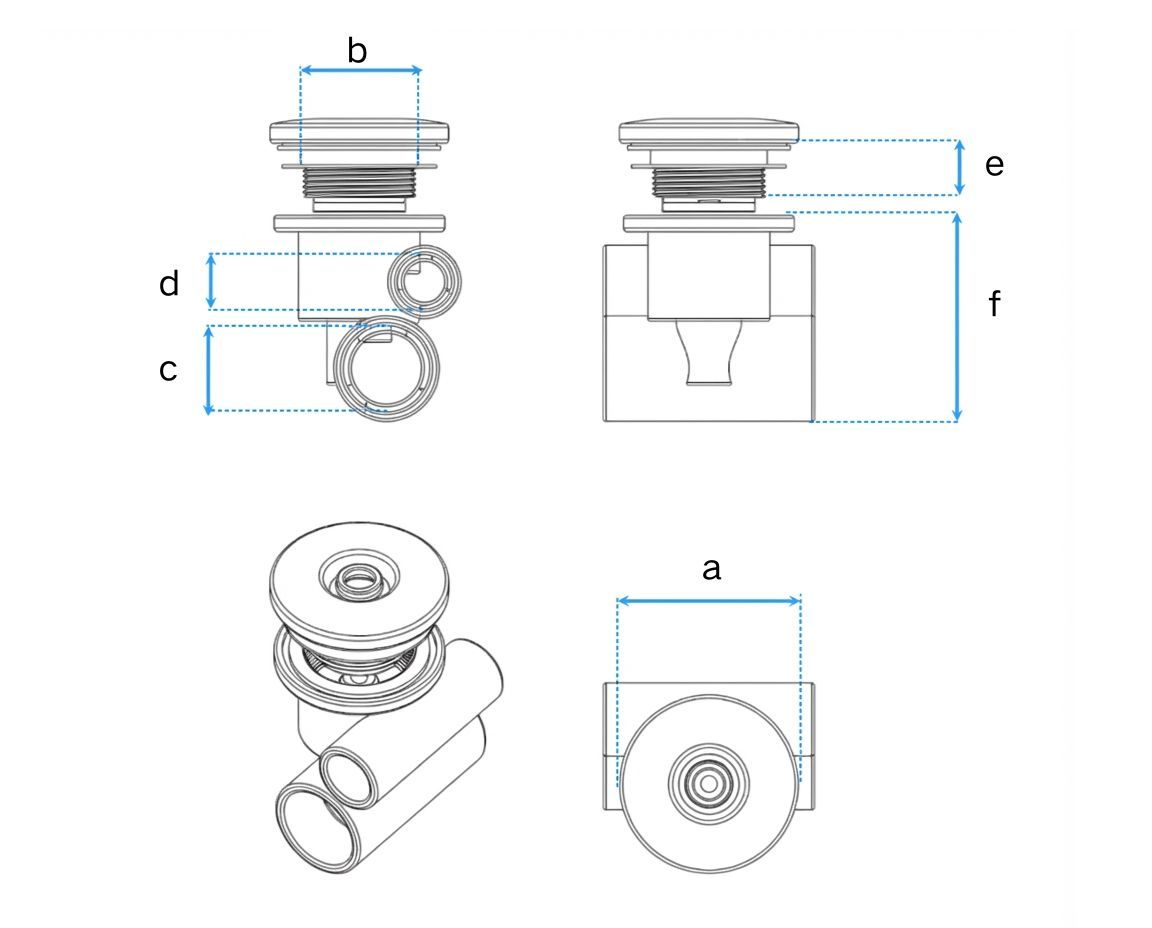
A full measurement usually includes several key parameters: the jet cover diameter (a), thread diameter (b), water pipe connection diameter (c), and air connection diameter (d). You should also pay attention to the thread height (e) and the installation space below the tub, also called the under-tub height (f).
Many people focus only on visible outer dimensions and overlook the internal connections. This is a common reason why jets don't fit. For example, a mismatched water pipe connection will directly affect water flow. An incompatible air connection will affect bubble mixing.
Another detail often ignored is the thread standard. Different markets, such as US and EU, may use different thread specifications. This is especially important when sourcing across regions.
Tips: When measuring an old jet, use calipers instead of estimating by eye. It also helps to take photos of the installation environment. This makes it easier to confirm compatibility with your supplier and reduces trial-and-error costs.
How Does a Water Jet Mix Air and Water
Let's look at the internal cross-section of a water jet. The red area shows the water and air mixing chamber(#1). The blue area is the narrow channel called the Venturi tube (#2).
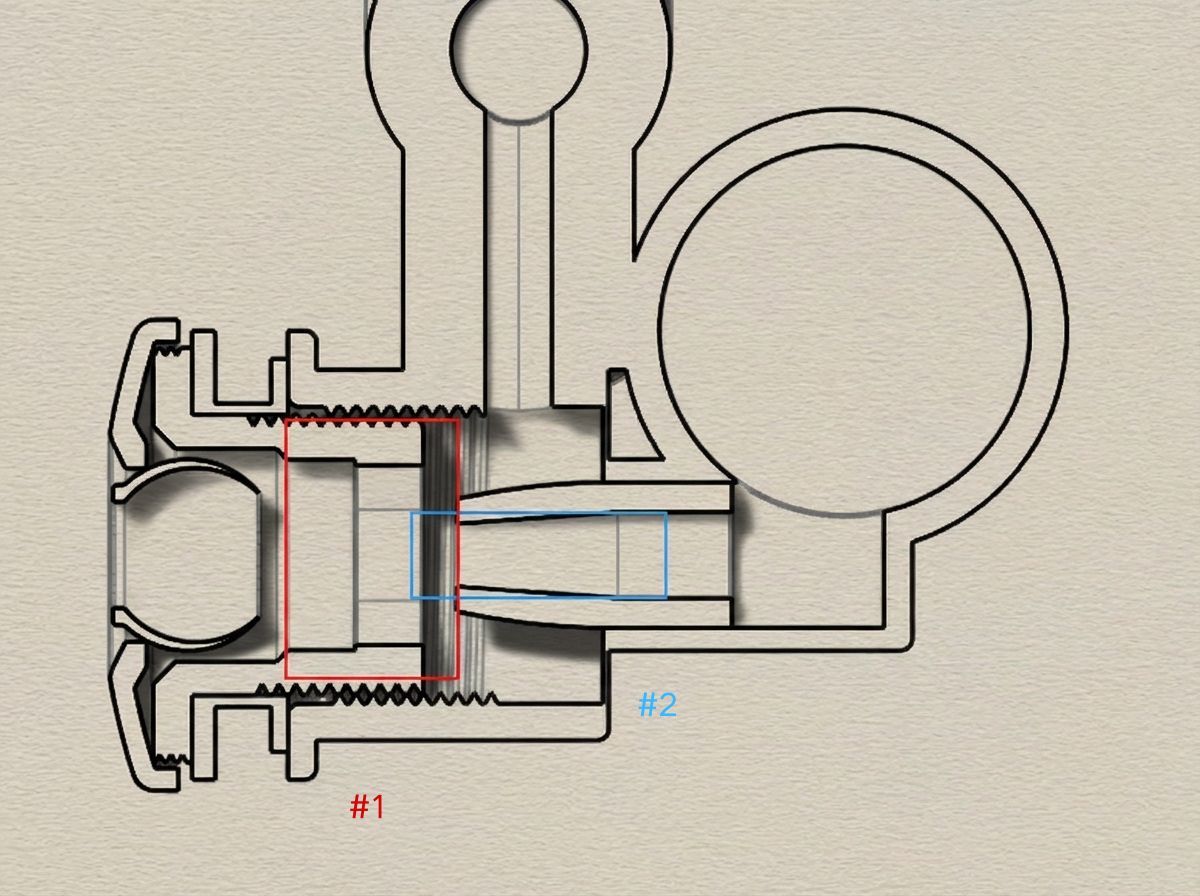
Here is a simple overview of how it works:
When the pump sends pressurized water into the jet, it flows rapidly through the narrow section. The speed increases and local pressure drops, creating a low-pressure zone.
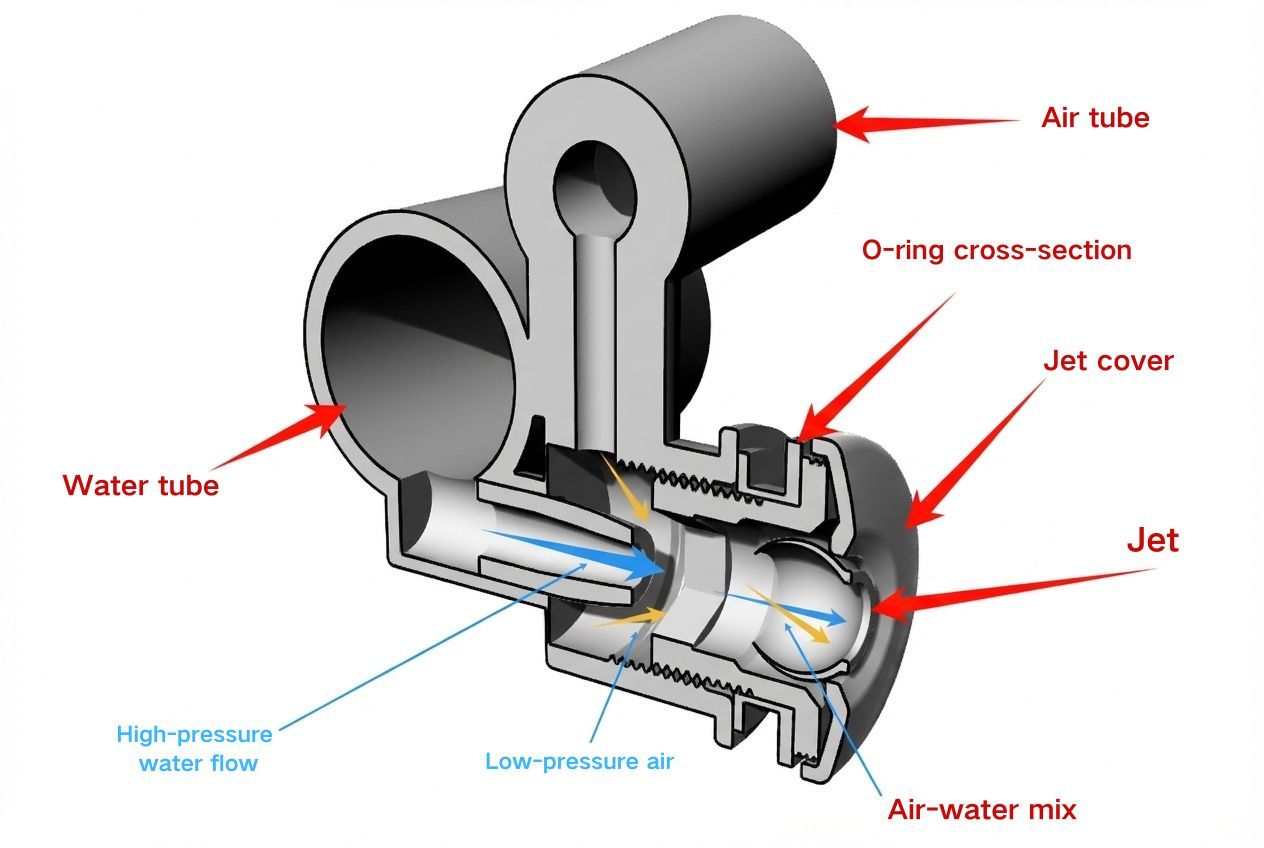
This low-pressure zone draws in external air through the connected air tube. The air mixes with the water in the chamber and then sprays out of the jet.
That is why the stream you see is not just water but water with bubbles. This air-water mix increases impact while creating a softer, rhythmic massage effect.
Choosing the Best Water Jet
For spa manufacturers and wholesalers, picking a water jet is not just about looks. It is a system-level decision.
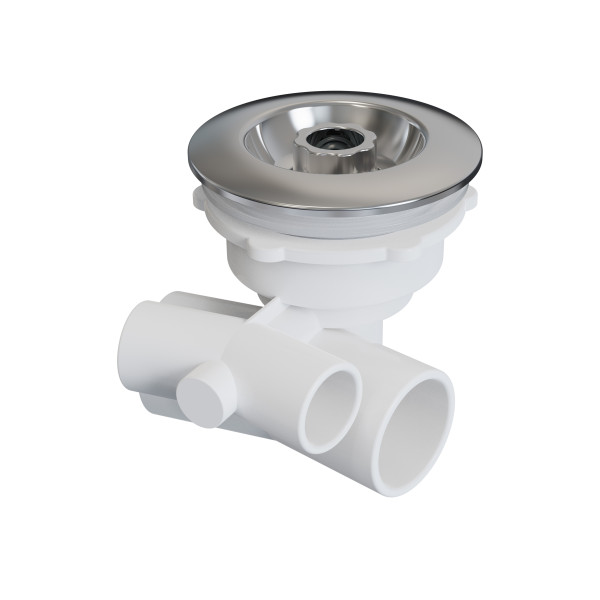
Cover diameter: 86mm
Connection diameter: 32mm x20mm
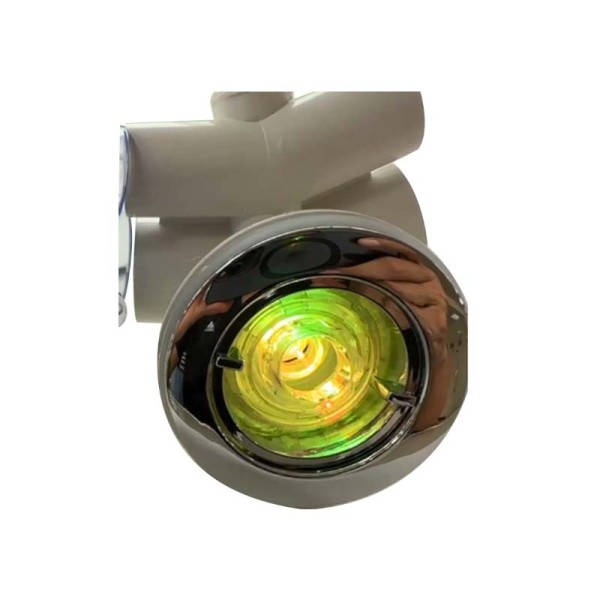
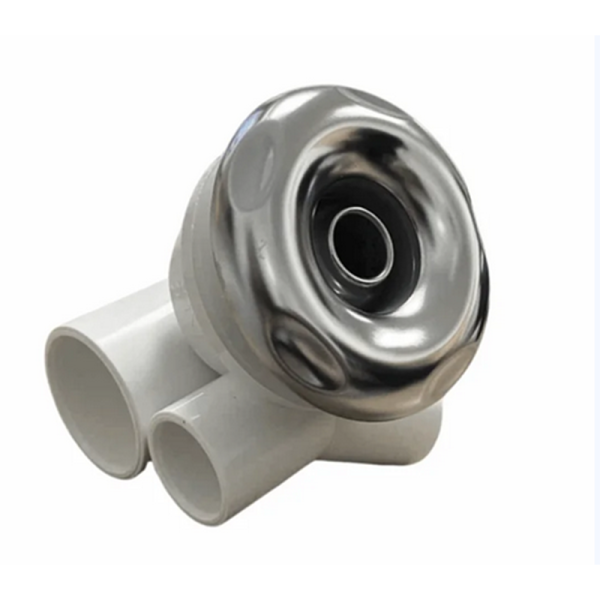
Diameter 68mm;
32X20MM
White PVC body ;
Stainless steel front
The first thing to consider is compatibility.
Jets need to match the plumbing, pump, and air system. Even premium parts won't work effectively if they aren't compatible with the entire setup.
Next is materials and construction. PVC body thickness, seal material, and internal jet design all affect lifespan and stability. Differences become especially obvious in high-use or commercial settings.
Surface finish and appearance consistency are also important. For brands, jets are both functional and visual. Color consistency between batches and plating quality directly impact the end-user experience.
Maintenance and replaceability are often overlooked. Can internal parts be replaced individually? Are the seals standard size? These factors affect long-term maintenance costs.
Finally, do not ignore certification and compliance. In markets like the US and Europe, certifications are not only required for market entry but also guarantee basic reliability.
Water Jet FAQ
1.Are water jets interchangeable?
In most cases, different brands are not fully interchangeable, especially when connection sizes or thread standards differ.
2.Why is water flow weaker after installing a new jet?
It is usually not a jet issue. Flow may be affected by pump power, plumbing, or differences in internal channel design.
3.Will the jet surface fade?
This depends on the surface treatment and usage environment. High-quality plating is generally durable under normal use.
4.How often should seals be replaced?
Replacement depends on usage and water quality. Check regularly and replace immediately if you see aging or deformation.
5. Is Hydrorelax a manufacturer?
Yes, Hydrorelax is an integrated manufacturer and trading company with over 25 years of experience, offering a one-stop solution for spa components, hot tubs, and accessories.
About Hydrorelax
In real projects, we have worked with water jets of many different designs and standards, and we have seen how small overlooked details can cause system issues.
Hydrorelax has long provided spa component solutions for brands and manufacturers in Europe and North America. From jets and diverter valves to complete spa systems, we focus on overall system compatibility, not just individual products.
For product selection, system optimization, or compatibility concerns, contact Hydrorelax to explore the best solutions.
About the Author
This blog is written by Shirley, who has many years of experience in the spa and wellness industry, especially in hot tub components.
Her work covers spa & bathtub product research and market analysis. Shirley aims to share practical knowledge to help spa brands and manufacturers better understand market needs, optimize product design, and improve competitiveness.
Recommended Products
Cover diameter: 86mm
Connection diameter: 32mm x20mm
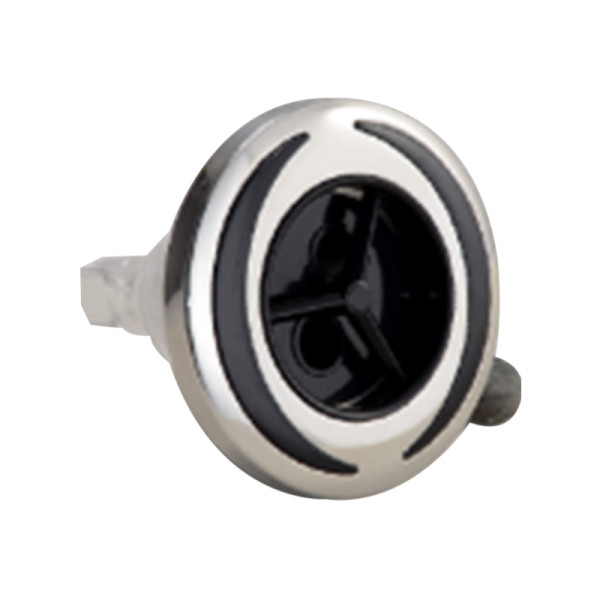
5"" directly-sprayed jet(304S.S)
jet face:ABS+S.S body:PVC
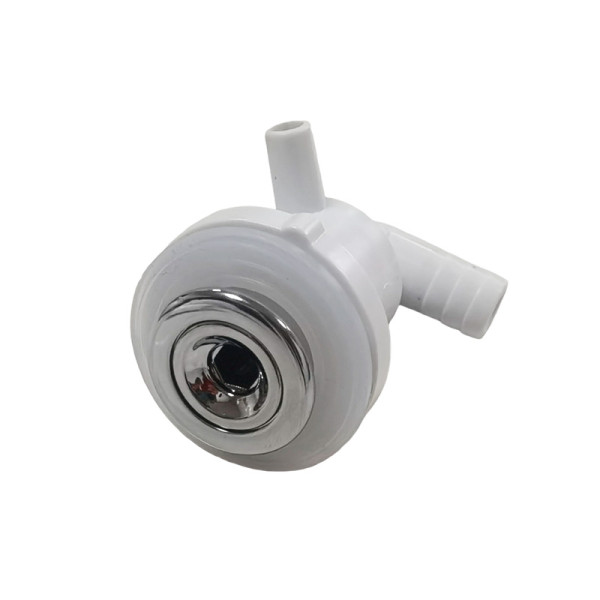
D25MM LED Hydromassage jets
Water :3/8" hose
air:6x10mm pvc hose
Brass chrome frame