Why Hot Tub Blowers Look So Different: Complete 2026 Spa Air Blower Selection Guide
- Share
- Issue Time
- Jan 14,2026
Summary
In this blog, we explain the real reasons behind these shape differences and provide a practical guide to help you choose the right blower.
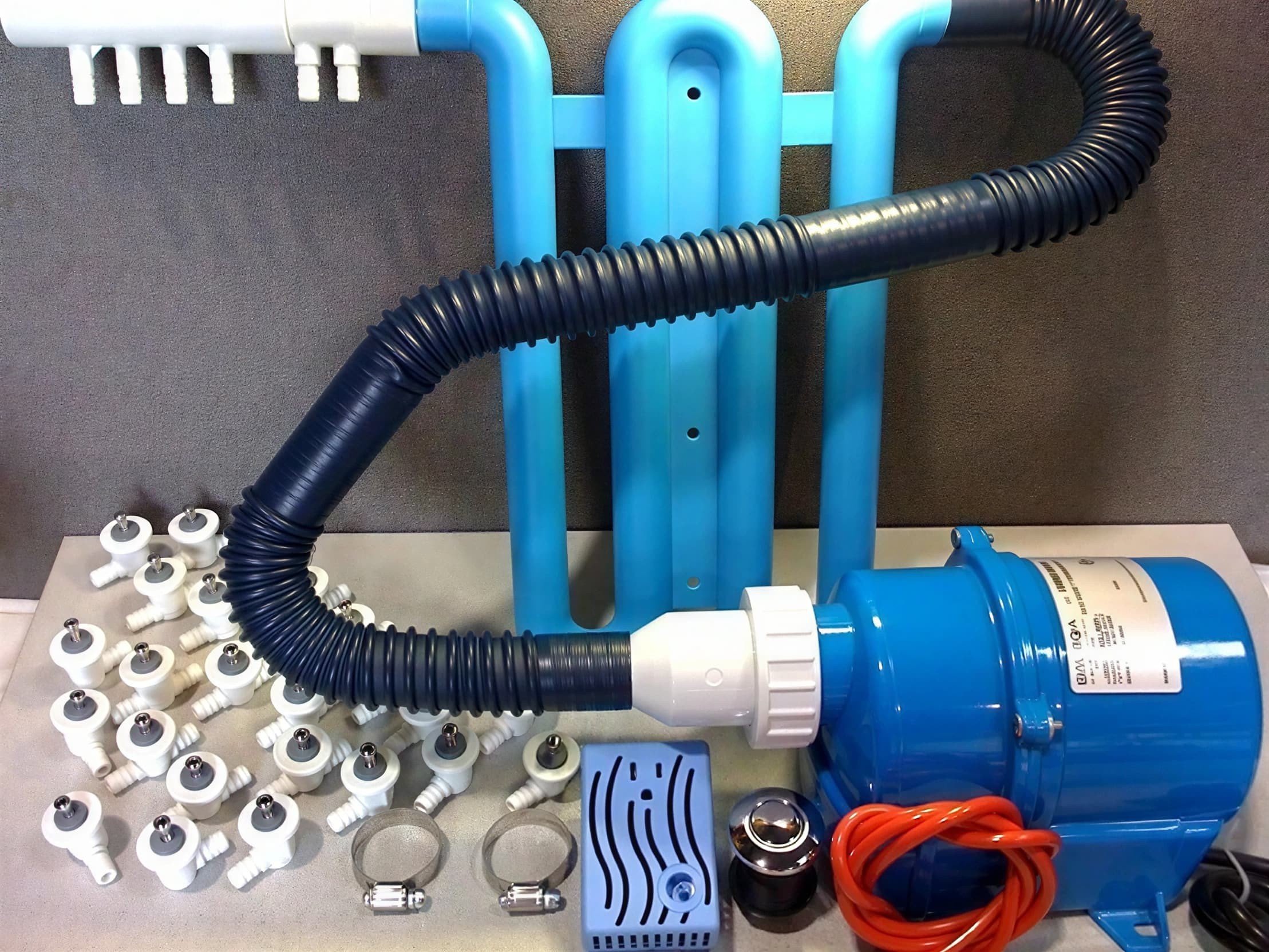
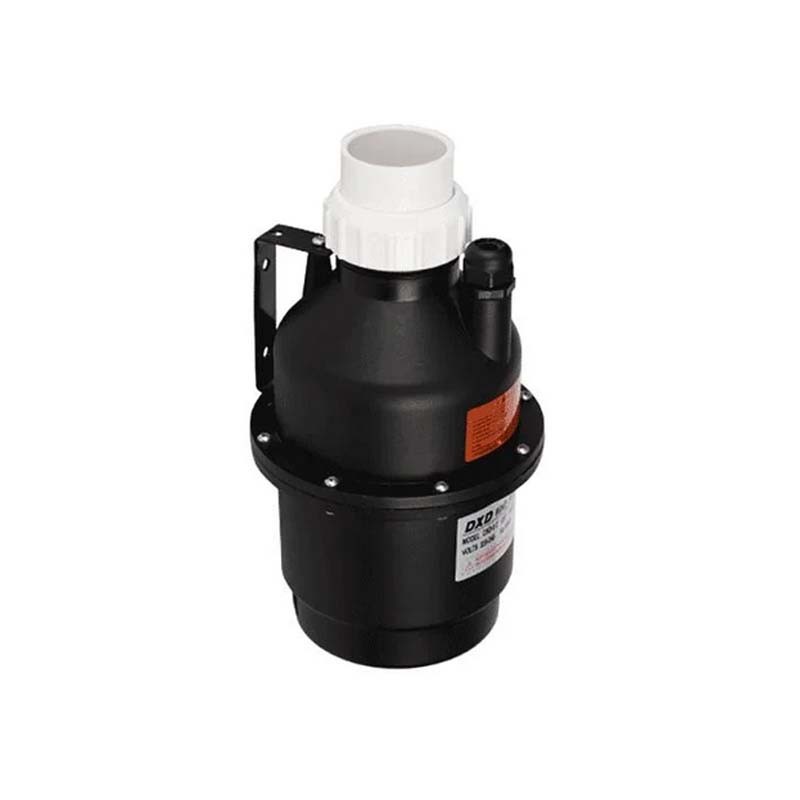
If you've ever sourced hot tub components, you've likely noticed something odd: products labeled "air blowers" can look completely different. Some are small and rounded, some are square, some have a long neck, and some have a raised cap-like top.
Why are their shapes so different,and how should you choose?
These variations are almost always driven by engineering needs. A blower's design comes from its internal structure, performance requirements, cooling system, waterproofing, and noise-reduction features.
In this blog, we explain the real reasons behind these shape differences and provide a practical guide to help you choose the right blower.
Reasons Behind Blower Shape Differences
A hot tub air blower must meet several requirements:
1. Fit different spa compartments
2. Deliver sufficient airflow and air pressure
3. Maintain stable heat dissipation
4. Provide waterproofing and back-flow prevention
5. Reduce noise and vibration
6. Meet cost and standardization needs
As a result, the housing design naturally changes. Different appearances simply reflect different internal structures and operating conditions.
The sections below break this down from an engineering perspective so you can understand that shape differences always indicate functional differences.
Hot tub installation space and plumbing layout
Every hot tub has a different equipment space.
Brands and models all place pipes, filters, control boxes, ozone units, and circulation pumps differently.
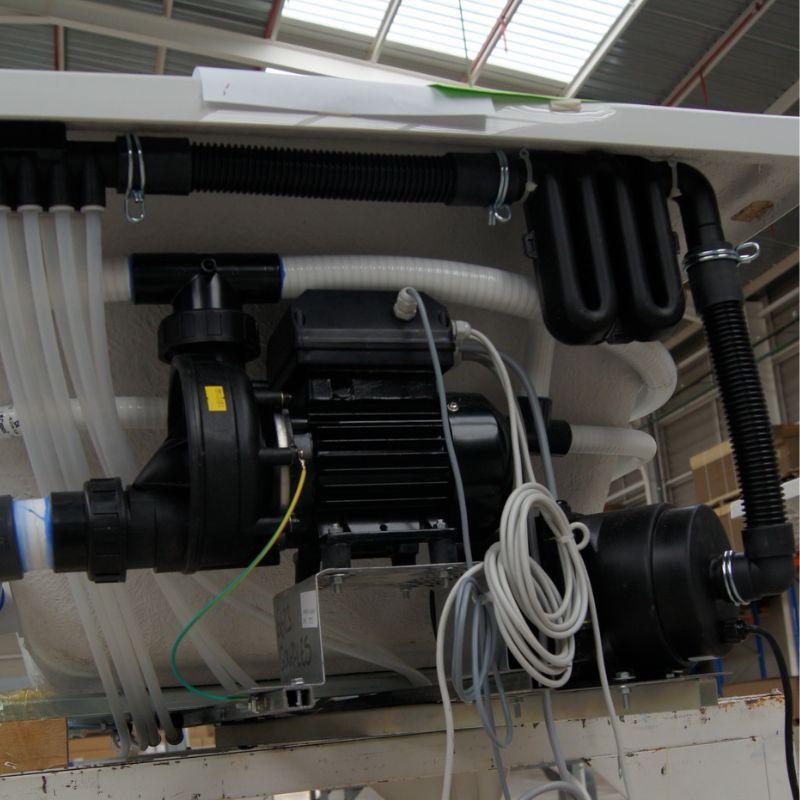
This means the blower must adapt to various conditions, such as:
1. Overall length, width, and height of the shell
2. Direction and height of the air outlet
3. Foot base position and mounting holes
4. Whether it can be installed horizontally or vertically
This explains why:
1. Some blowers are short and wide, designed to fit into very low bases
2. Some are long and narrow, made to slide into tight compartments
3. Some have tall raised foot bases, used to avoid the waterline or plumbing at the bottom
Airflow, power, and whether the blower includes air heating
A blower's shape is not for aesthetics. It is designed to fit different internal structures.
Fan diameter and impeller design
Higher airflow usually requires:
1. A larger impeller
2. A more powerful motor
3. A larger cooling chamber
This makes the housing bigger. Smaller spas with fewer jets only need a compact blower.
Whether it includes an air-heating module
High-end spas often use a heated air blower to prevent cold air from lowering the water temperature in winter.
The air-heating module typically includes:
1. A low-power heating element
2. A heated air channel
3. A temperature control circuit
All of these components take up space, so a blower with heating will look bulkier, thicker, and more squared.
Noise reduction and vibration control
Many users assume that air blowers are naturally loud, but noise-control structures directly shape the appearance.
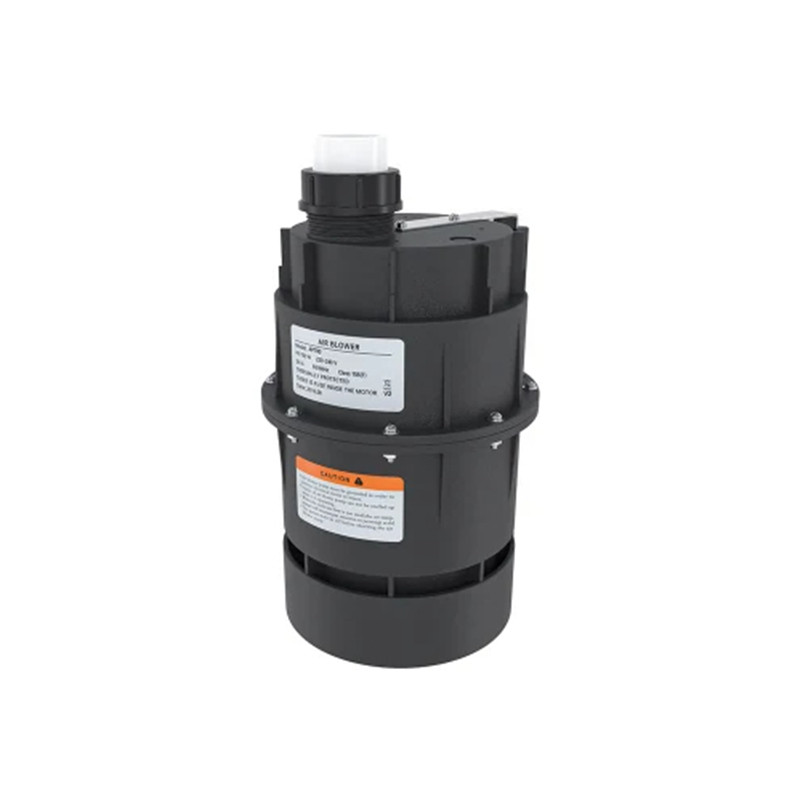
1. Sound-insulation chambers and noise-control design
Some blowers have a long raised bulge on the top or the side of the housing.
This is not decoration. It is used for:
Sound-absorbing and sound-insulating chambers
Multiple layers of insulation material
Structures that reduce high-frequency motor noise
Certain models even extend this chamber into a long tubular section, which makes the overall shape completely different from standard blowers.
2. Foot bases, rubber pads, and vibration-control cavities
Blower vibration transfers directly to the spa shell and amplifies noise.
To reduce this, some brands add:
Thickened foot bases
Large rubber vibration-damping pads
A rounded vibration-control structure similar to a "bump" at the bottom
All of these features create visible differences in the blower's appearance.
Blower Water and Back-flow Protection
Blowers work in harsh conditions:
Possible water splashes
Steady internal cooling
Prevention of water flowing back into the motor
As a result, the shape changes to meet protection requirements.
Common back-flow protection designs include:
Air inlets placed on top to reduce water entry
Housing shaped with a long neck
Internal maze-style air channels
These designs may make the blower look unusual, but they are all for safety.
How to Choose the Right Hot Tub Blower?
If you are:
Comparing multiple blower models
Upgrading or modifying your spa
Replacing an old blower
The following criteria are more reliable than just judging by appearance:
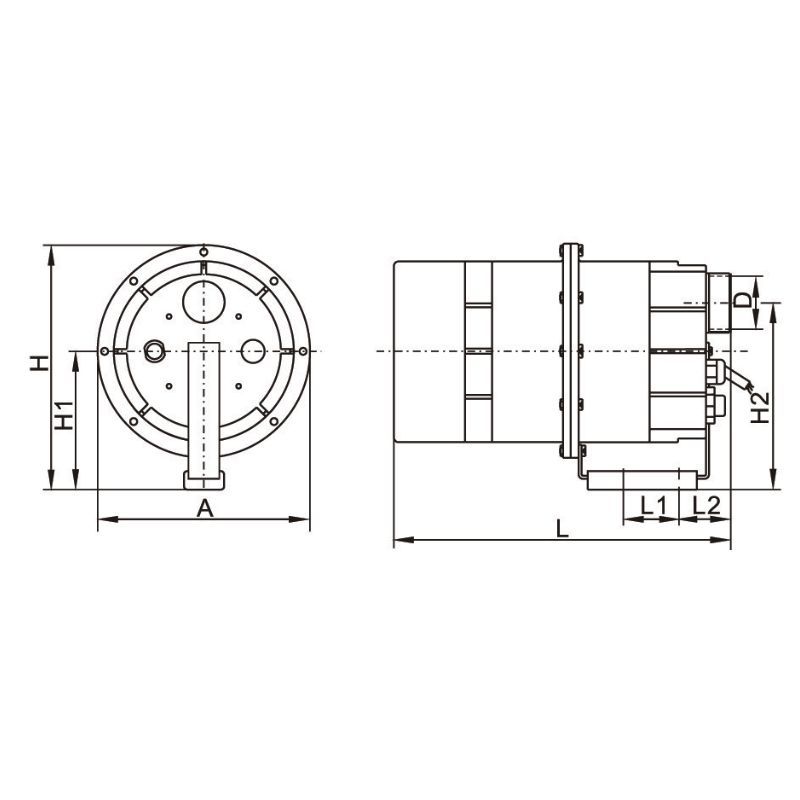
1. Confirm the installation space
Measure and note:
L × W × H, especially height
Minimum clearance from other components
Whether the air outlet direction can be adjusted
2. Match airflow, pressure, and number of jets
A general guideline:
3–6 jets : 1 HP
5–10 jets : 1.5 HP
8–12 jets : 2 HP or higher
(Actual airflow may vary slightly by brand, use the manufacturer's specifications.)
3. Consider whether air-heating is needed
A heated blower is recommended if you are in:
Northern Europe, Canada, or northern North America
Locations where water cools quickly in winter
Long bubble jet usage
Check noise reduction requirements
4. If you or your customers are sensitive to noise:
Choose models with a sound-insulation chamber
Check for vibration-damping feet
Avoid very lightweight housings
Confirm waterproofing and back-flow protection
Especially for outdoor hot tubs
5. Internal maze-style air channels improve safety
Higher IP ratings are better
Understanding these differences allows you to select the right blower for each spa model, avoiding rework and compatibility issues.
Air Blower FAQ
How long does a spa blower last?
Usually 3–5 years with proper ventilation and waterproofing.
Can a blower be installed vertically?
Only if the model is designed for vertical installation.
Do I need a heated air blower?
Yes if you use your spa in cold climates or lose heat quickly during bubbling.
What certifications do Hydrorelax blowers have?
CE, UL, SAA, RoHs, and full testing before shipment.
Does Hydrorelax offer OEM/ODM service?
Yes, including custom housing, branding, and system matching.
What kind of company is Hydrorelax?
A 25-year supplier specializing in spa components, air systems, and custom solutions.
Hydrorelax: Your Long-Term Partner for Spa Blowers and Air Systems
Hydrorelax has 25 years of experience in the hot tub industry, serving the European,and North American markets with:
1. Spa blowers
2. Air systems including air jets, air valves, and air plumbing
3. Massage and heating systems
4. OEM / ODM customization
If you are looking for:
1. A more reliable spa blower supply chain
2. Universal installation solutions compatible with various models
3. Custom blower designs tailored to your brand
Contact Hydrorelax anytime, we are happy to provide a one-stop solution for your projects.