Why Do Spa Covers Use Aluminum C-Channel Support?
- Share
- Issue Time
- Jul 27,2026
Summary
This blog will help spa manufacturers and purchasing teams better understand the role of C-channel steel reinforcement in spa covers.
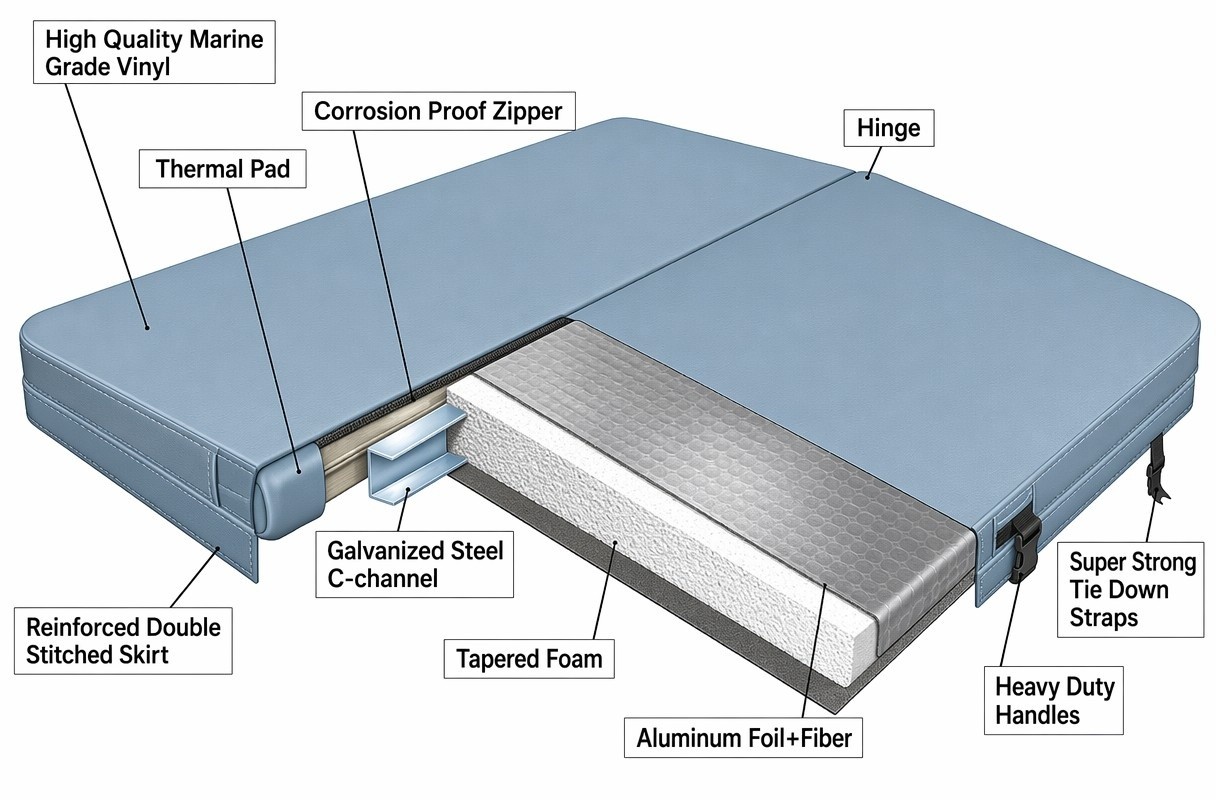
Aluminum C-Channel reinforcement is one of the most common and important support structures used inside spa covers.
Many international buyers prefer high-quality spa covers with built-in C-channel reinforcement. This is because these covers can better handle outdoor challenges over time, including rain, snow loads, and frequent opening and closing during daily use.
This blog will help spa manufacturers and purchasing teams better understand the role of C-channel steel reinforcement in spa covers.
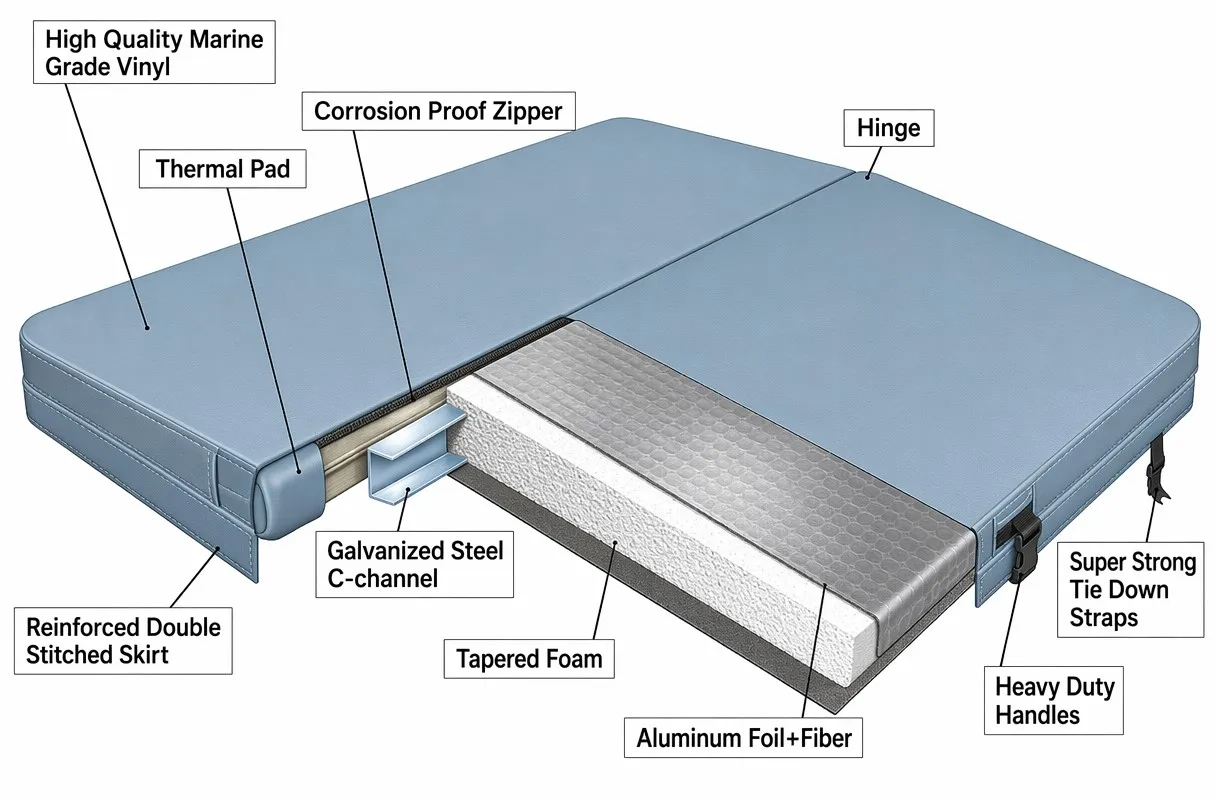
What Is C-Channel Steel Reinforcement in a Spa Cover?
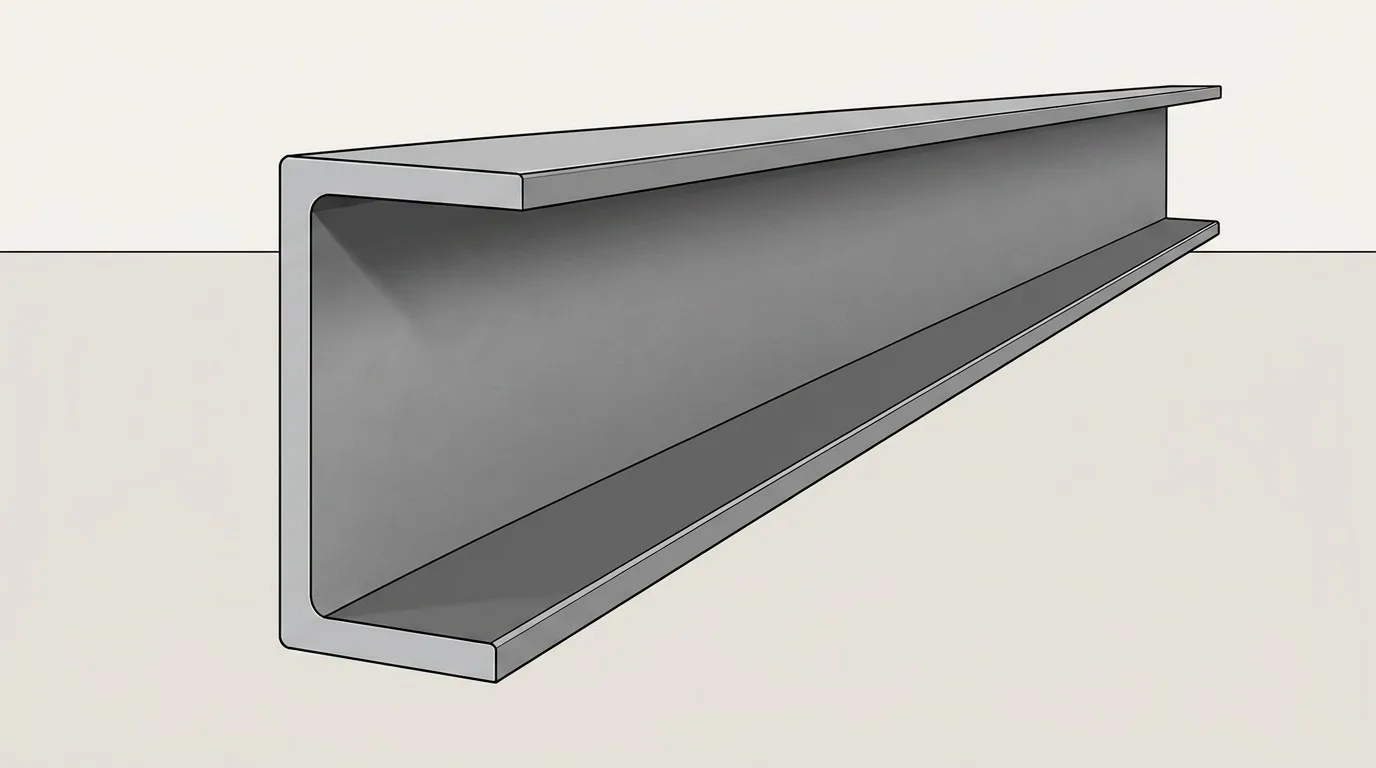
A C-channel is a metal support piece with a C-shaped cross section. It is usually placed inside the spa cover, between the foam cores or around key support areas, to improve the overall strength of the cover.
When viewed from the side, the C-channel has an open shape similar to the letter C. This design improves bending strength while keeping the overall weight low.
In a spa cover structure, C-channels are usually installed along the length of the cover. They are especially important for larger spa covers, as they help reduce long-term problems such as sagging, bending, and structural fatigue.
In simple terms: the foam core provides insulation, while the C-channel provides structural support.
Why Do Spa Covers Need Aluminum C-Channel Support?
Many standard-size small spa covers may not require additional metal support. However, for medium and large hot tubs, commercial spa projects, and premium private spas, internal reinforcement is very important.
During daily use, spa covers need to handle different types of pressure:
Prevent Long-Term Structural Deformation
Spa covers are opened, closed, and stored every day. If the cover only relies on foam support, the foam core may gradually change shape over time due to weight, moisture, and temperature changes.
C-channel reinforcement helps the spa cover maintain its original shape and keeps the surface flat for longer use.
Improve Load-Bearing Performance
Spa cover usage conditions can vary greatly between different countries and regions. For example:
- Some areas in North America experience heavy snowfall in winter.
- Northern Europe markets often face long periods of cold weather.
- Commercial spa facilities may require more frequent opening and closing.
These environments require higher structural strength from spa covers. C-channel reinforcement provides extra support, making spa covers better suited for higher external pressure and demanding applications.
Extend Product Service Life
For spa manufacturers and brands, after-sales costs are an important consideration. A well-designed spa cover can not only improve the end-user experience but also reduce service issues caused by deformation, sagging, or early product aging.
What Materials Are Commonly Used for Spa Cover C-Channels?
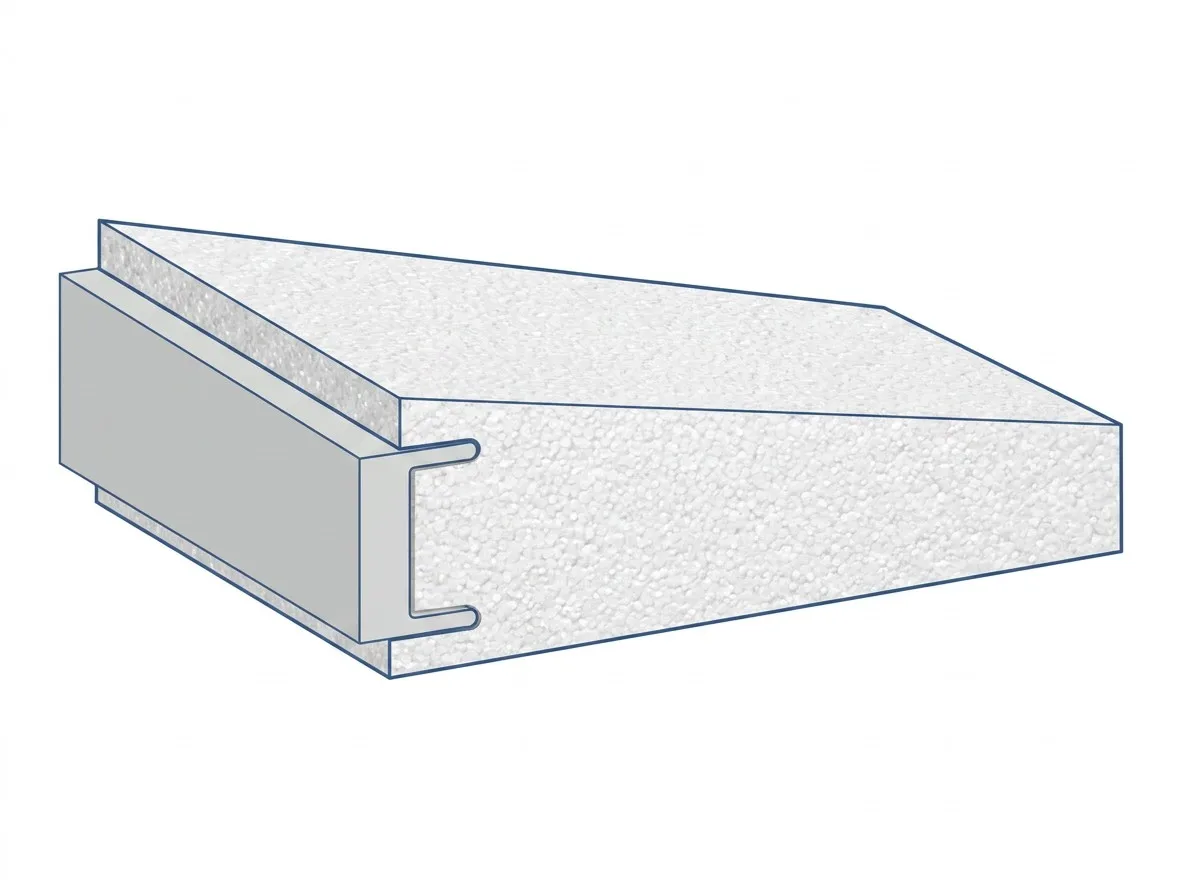
Most C-channel reinforcements used in spa covers are made from metal materials. The most common option is galvanized steel.
Galvanized steel is widely used in the spa cover industry because it offers a good balance of strength, protection, and cost. The main advantages include:
Strong Structural Support
Steel has high mechanical strength and can effectively support the spa cover structure.
Better Corrosion Resistance
Since spa covers are used outdoors for long periods, the internal structure must handle moisture and temperature changes. The galvanized coating provides an extra protective layer for the steel and helps reduce the risk of corrosion.
Good Cost Performance
For hot tub manufacturers producing large quantities, material cost is also an important consideration. Galvanized steel provides a good balance between structural performance and overall cost.
Minimum Material Requirements
For spa covers exported to European and North American markets, it is recommended to use galvanized steel with stable quality control. When selecting C-channel reinforcement, buyers should look beyond the appearance and check important details, including:
- Steel thickness
- Quality of the galvanized coating
- Surface corrosion protection
- Dimensional consistency
- Compatibility with the foam core structure
Buyer alert: Some low-cost suppliers may use cold-rolled steel with insufficient galvanizing. Over time, this material can develop rust. Corrosion often starts at cut edges and connection points, then gradually spreads inward and weakens the overall structure.
How Is C-Channel Installed in a Spa Cover?
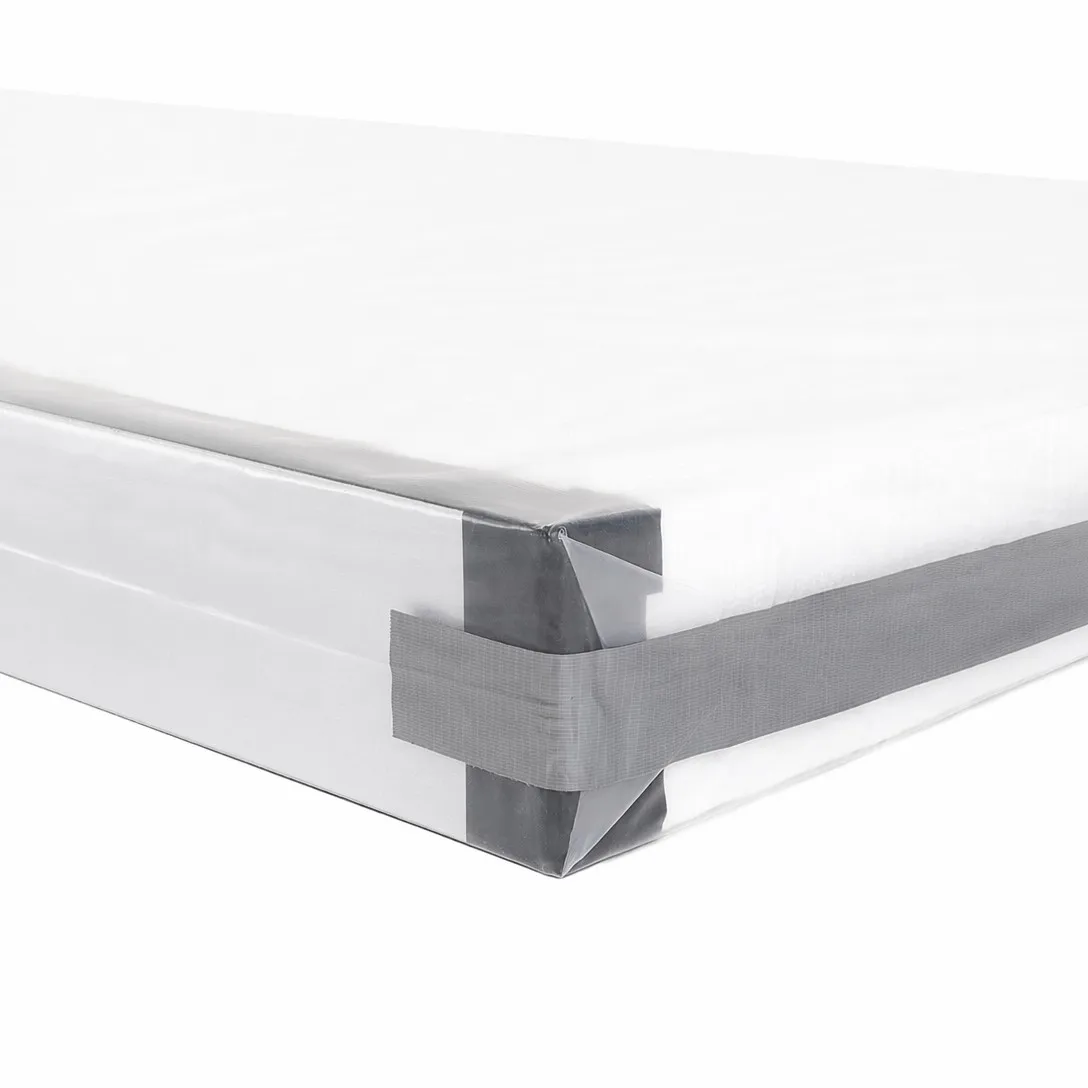
Different manufacturers may use different design solutions, but the common installation process usually includes the following steps.
Reserved Installation Space
During spa cover production, a dedicated space is created inside the foam core according to the cover size and design requirements. The C-channel is usually installed in areas that experience higher levels of stress and pressure.
Integration with the Foam Core
The C-channel needs to be properly integrated with the high-density foam core. The foam core not only provides insulation but also helps keep the steel channel in position and prevents movement during long-term use.
Moisture Protection
Since the inside of a spa cover can experience temperature changes and moisture, proper protection of the steel channel is important. High-quality spa covers usually use moisture barriers and sealing layers to reduce water vapor entering the internal structure.
During installation, it is important to make sure the C-channel fits closely with the spa shell edge. Gaps between the steel channel and the spa shell may allow moisture to enter and reduce insulation performance.
Important: Do not drill holes into the C-channel unless you have written approval from the manufacturer. Any unauthorized modification can affect the structural balance of the cover and may void the product warranty.
Which Markets Need Spa Covers with C-Channel Reinforcement?
Not every spa cover requires C-channel reinforcement. When selecting a spa cover, buyers should consider the product positioning, cover size, and target market. The following markets usually place more importance on reinforced spa cover designs:
North American Market
The United States and Canada have a large number of outdoor spa users. Some regions experience harsh winters with heavy snowfall. Consumers and spa brands often pay more attention to spa cover durability and long-term performance.
Northern Europe & Cold Climate Regions
Markets such as northern UK, Germany, Sweden, and Norway often experience colder outdoor conditions. Low temperatures create higher requirements for spa cover insulation and structural stability. Reinforced structures help spa covers perform better in long-term outdoor environments.
Commercial Spas & Hotel Projects
Commercial applications usually involve more frequent use. Spa covers used in hotels, wellness centers, and fitness facilities need to be opened and closed many times, making structural reliability especially important.
Large Spas & Swim Spa Products
As large spas and swim spas become more popular, cover sizes continue to increase. The larger the cover, the more important internal structural support becomes.
Common Questions When Purchasing Spa Covers
Do all spa covers need C-channel reinforcement?
No. Small private spa covers may work well with standard structures.
Does aluminum C-channel support increase the weight of a spa cover?
Yes, it adds some extra weight. However, a well-designed spa cover can control the weight increase while gaining significant structural improvement.
Where should the C-channel be installed?
The C-channel is usually installed in areas inside the spa cover that handle the most pressure. The exact position depends on the cover size, folding design, and spa model.
Is C-channel reinforcement easy to rust?
High-quality spa covers usually use corrosion-resistant materials, such as galvanized steel, combined with internal moisture protection to reduce the risk of rust.
Hydrorelax Conclusion
For spa brands and distributors, choosing the right C-channel support is a strategic decision. It can help reduce warranty claims, improve customer satisfaction, and strengthen your brand reputation in a competitive market.
If you are looking for custom spa covers or reviewing your current cover specifications, our technical team can help you select the right materials, reinforcement structure, and design based on your application needs.
Next steps for buyers:
- Send us your current spa cover specifications for a free structural review.
- Continue reading our related blog: Tapered vs Non-Tapered Spa Covers.
Article reviewed by the Hydrorelax Product Engineering team.